
The Gardener
2018
No user ratings available yet
Representation score: 4.2 out of 10
Representation Score
Minimal
1981
Director
James Broughton
Runtime
8 minutes
Average Rating
No ratings yetNew Showbiz Analysis
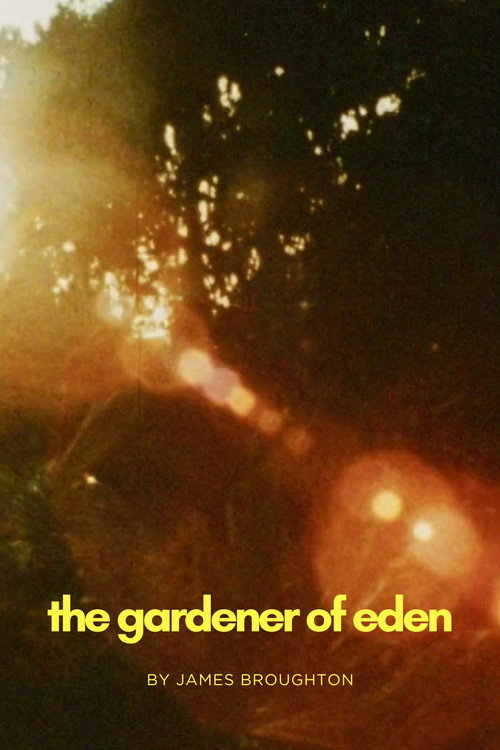
The Gardener of Eden opens with static, observational shots of trees and sky, immediately establishing a meditative tone that rejects conventional narrative conflict. Directed by James Broughton, a figure of the San Francisco underground, the film presents a lyrical, semi-documentary exploration where the "plot" is the act of gardening itself as a spiritual practice. The camera lingers on the gardener’s hands and the soil, treating the mundane act of tending as a form of prayer. The sold meaning is that attention to the natural world is a higher moral state than social engagement; the gardener is a worker, not a hero, and his power lies in his service to the earth. The film’s argument is that the private, cultivated garden is a utopia in miniature, where labor is joy rather than toil. There is no antagonist, no punishment, and no social friction; the "price" paid is simply time and attention. This creates a stark contrast with the outside world, which is implicitly framed as chaotic or lesser. The ending returns to a wide shot of the landscape, suggesting a cyclical harmony that rewards patience over action. However, this vision is deeply traditional in its gender dynamics: the male gardener is the sole active agent, while the earth is a passive, feminine object of his care. The film offers no critique of this hierarchy, nor does it address the racial or social implications of land ownership. It is a quiet, authentic meditation on the value of care, but it remains a solitary, white, male perspective that treats the natural world as a spiritual refuge from the complexities of human society.
Category Breakdown
No queer characters or intimacy appear. The only reproduction shown is botanical. The film remains silent on sexual orientation.
A single male gardener performs all labor. The earth is framed as a passive, feminine recipient. No women appear to challenge this division.
The cast consists solely of Bevis Bawa, a white man. No non-white presence or critique of colonial land use is offered.
The film rejects social hierarchy, positioning solitary manual labor as a high moral act. It treats the private garden as a utopia superior to public society.
No disabled characters appear. The gardener’s aging body is presented as a tool for spiritual practice rather than a site of impairment.
Present on Screen
Limited or Absent
Official Synopsis
An old man (artist and landscape architect Bevis Bawa) contemplates the Garden of Eden.
2018
1978
2011
2011
1970
1987
2001
1992
No reviews yet. Be the first to share your thoughts on this movie!
Use the rating form above to leave a star rating and optional review.