
Red Thousand Miles Race
2015
No user ratings available yet
Representation score: 3.2 out of 10
Representation Score
Fair
1957
Director
Alfréd Radok
Runtime
94 minutes
Average Rating
No ratings yetNew Showbiz Analysis
Vintage Car is a profound cinematic exploration of identity and trauma. It excels by centering the Jewish experience and using expressionistic techniques to mirror the psychological impact of state-sponsored persecution. The film's strength lies in its refusal to overlook the dehumanization of underrepresented groups. By depicting psychological trauma as a lived reality, it grants significant weight to the suffering of the protagonist. However, the film lacks diversity in gender and LGBTQ+ representation. The narrative remains focused on a male-centric psychological journey, offering limited space for queer identities or female-driven ability to act.
Category Breakdown
The film does not include any LGBTQ+ characters or non-assuming gender matches what was assigned at birth identities. The story focuses solely on the protagonist's internal struggles and the collective trauma experienced by a specific ethnic group.
The story primarily revolves around a male protagonist's psychological journey. Although it does not explicitly promote traditional gender roles, it lacks strong female characters that could challenge these norms.
The film offers a powerful exploration of Jewish identity through the lens of systemic persecution. It challenges historical erasure by focusing on the lived experiences of those affected by the Holocaust.
The narrative highlights the dehumanization inherent in totalitarian systems. It emphasizes the lived experience of victims rather than glorifying institutional stability, presenting the system as a source of trauma.
The film provides a nuanced portrayal of invisible disabilities through the lens of profound psychological trauma and PTSD. The protagonist's mental fragmentation is shown as a direct result of historical atrocities.
Present on Screen
Limited or Absent
Official Synopsis
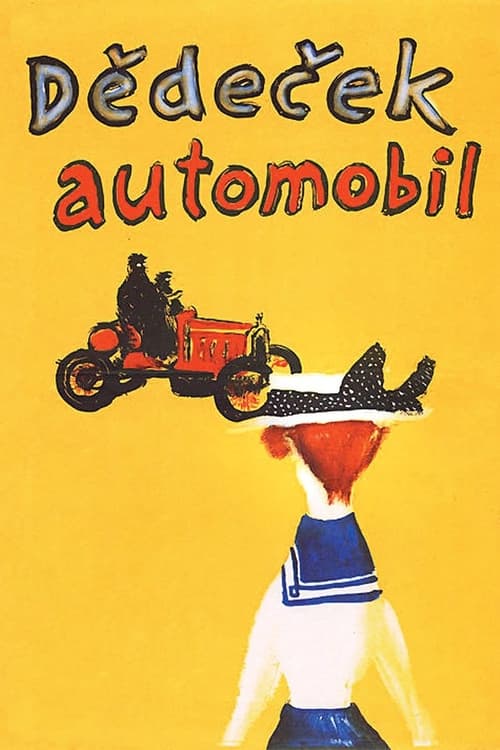
The history of motoring in Bohemia begins when Laurin and Klement founded a factory for the production of motorcycles. In 1904, the first motorcycle races were held in Dourdan, France, in which Czechs also participated. Czech mechanic František and Nanette, daughter of French mechanic Frontenac, met and fell in love there. Czech racer Vondřich finished second due to a breakdown. In 1905, the race was held again, Vondřich insured himself with a suitcase of spare parts and won. Nanette and František, who had been writing to each other all year, met again. After motorcycles, cars began to be produced everywhere, and in 1909 their first race was organized in Gaillon, France. The Czech racer Count Kolovrat won. His mechanic František married his beloved Nanette in the local church.
2015
1971

1979
2005
1957

1896
1971
1967
No reviews yet. Be the first to share your thoughts on this movie!
Use the rating form above to leave a star rating and optional review.