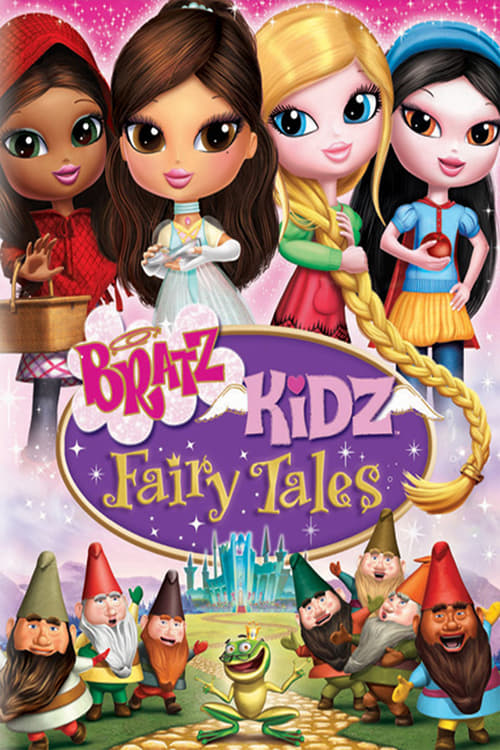
Bratz Kidz: Fairy Tales
2008
No user ratings available yet
Representation score: 5.6 out of 10
Representation Score
Fair
1989
Director
Ion Popescu-Gopo
Runtime
71 minutes
Average Rating
No ratings yetNew Showbiz Analysis
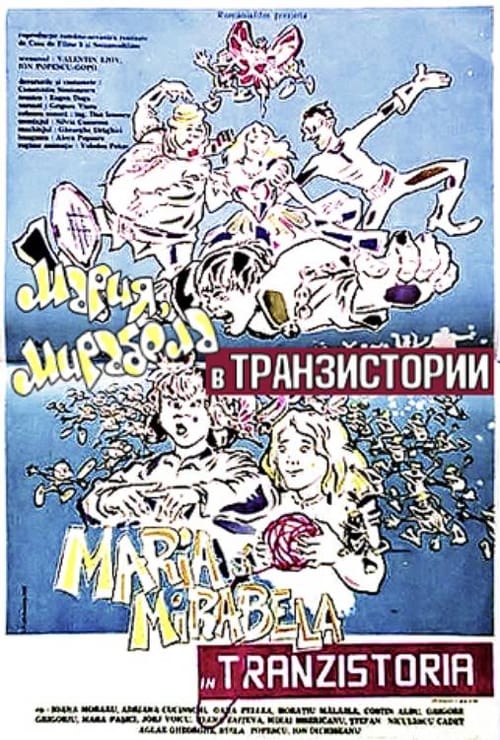
Ion Popescu-Gopo’s work explores media consumption through the eyes of two young female protagonists within a television set. By placing Maria and Mirabella in a world inside a TV, the film challenges traditional adventure clichés that usually favor men's control over the story. While the film excels in critiquing gendered narratives and offering meta-textual commentary on technology, it lacks depth in terms of racial diversity and explicit LGBTQ+ representation. Ultimately, the film serves as a philosophical journey that prioritizes imaginative exploration over rigid moral structures, making it a unique entry in Eastern European animation.
Category Breakdown
The film features a female duo but does not include explicit LGBTQ+ relationships or identities. While there is a focus on female adventure, there are no specific symbols or references that clearly represent LGBTQ+ experiences.
Maria and Mirabella challenge traditional gender roles by being active explorers rather than passive figures. their ability to act and intellectual curiosity are highlighted, moving beyond typical domestic roles.
The film lacks significant racial or ethnic diversity among its characters. Instead, it focuses on a psychological and surreal journey, reflecting the stylistic limitations of 1989 Romanian animation.
The film critiques media and technology by presenting reality as confined within a television set. This challenges the authority of dominant cultural institutions, offering a progressive perspective on media consumption.
There are no characters with visible or invisible disabilities in the film. The story focuses on the protagonists' journey through a technological landscape, without addressing any disabilities.
Present on Screen
Limited or Absent
Official Synopsis
The continuation of adventures of Maria and Mirabella, in which the two girls get lost in a fabulous world inside a television set.
2008
1987
2001
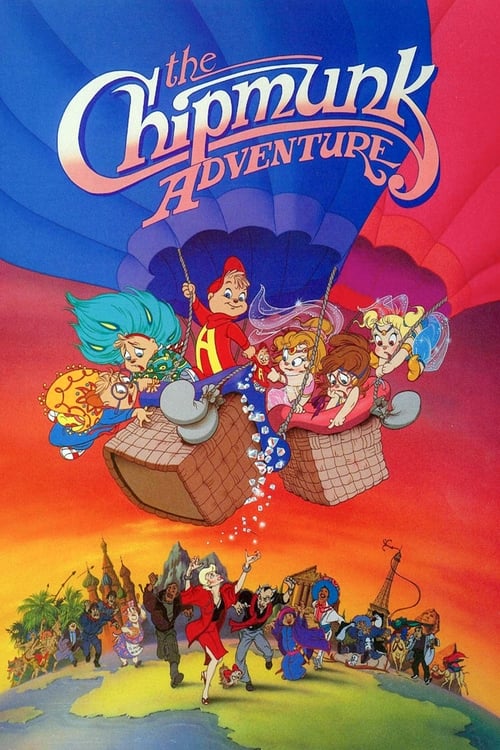
1987
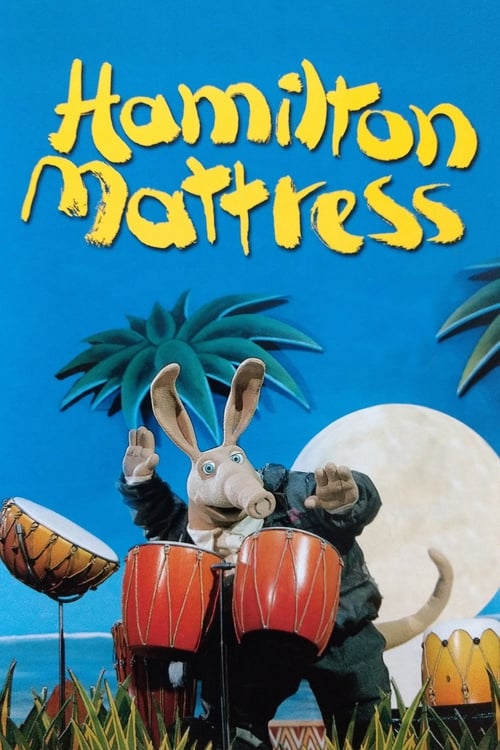
2002
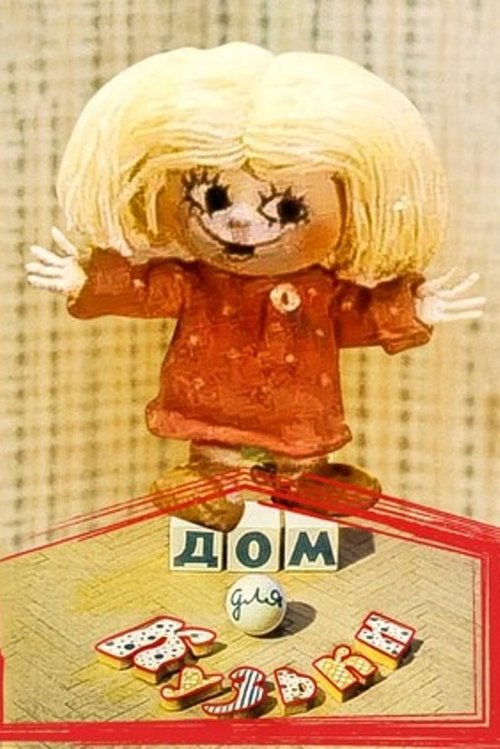
1984
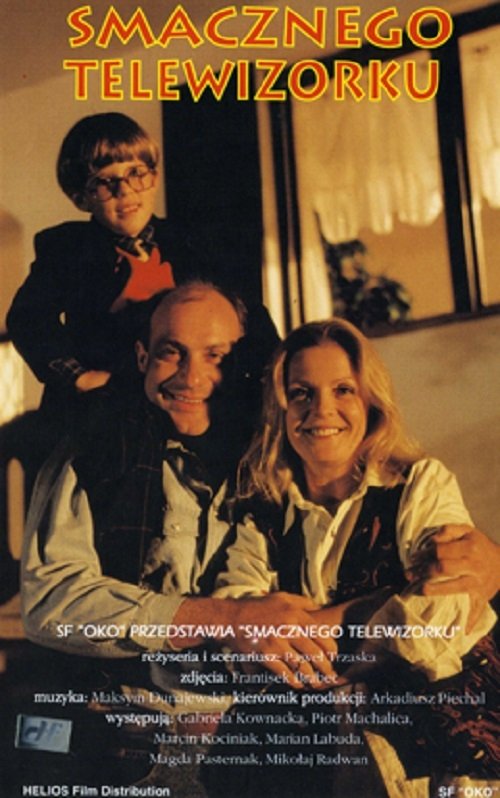
1992
1977
No reviews yet. Be the first to share your thoughts on this movie!
Use the rating form above to leave a star rating and optional review.