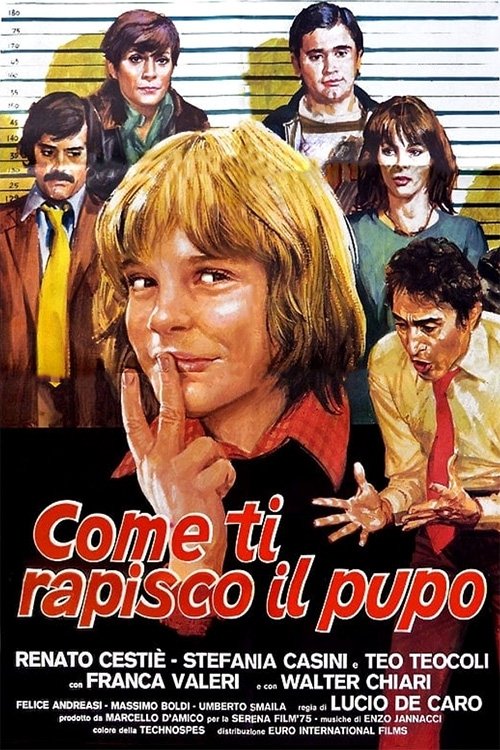
Come ti rapisco il pupo
1976
No user ratings available yet
Representation score: 3.0 out of 10
Representation Score
Limited
2006
Director
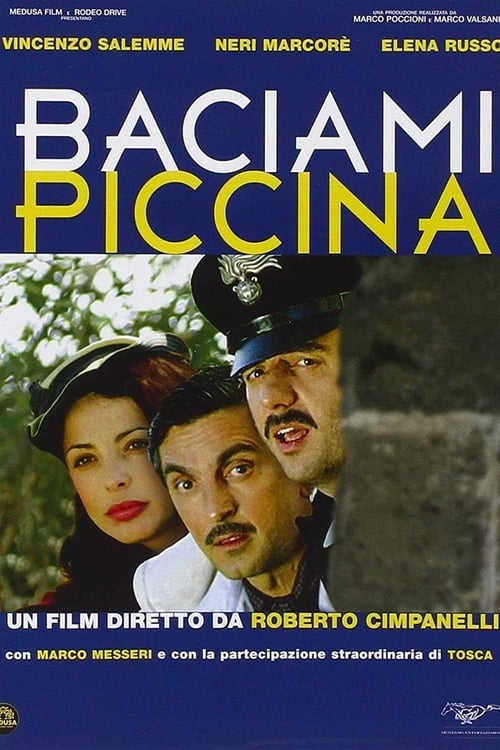
Roberto Cimpanelli
Runtime
93 minutes
Average Rating
No ratings yetNew Showbiz Analysis
Baciami piccina functions as a traditional period comedy that prioritizes established genre archetypes over social subversion. The story relies on a standard setup involving a carabiniere, a con man, and a fiancée, reinforcing conventional social hierarchies rather than challenging them. The film's reliance on 1943 Italian historical realism results in a lack of complexity in representing multiple aspects of identity. Character dynamics and setting suggest a narrative that adheres to the demographic and gender norms typical of both the era and mid-2000s comedy structures. Ultimately, the film lacks representation across most modern diversity metrics, focusing instead on a straightforward, straight-centered plot driven by historical realism.
Category Breakdown
The film centers on a traditional romantic relationship between a male protagonist and his fiancée. There is no representation of non-binary or transgender identities, nor any critique of the assumption that everyone is straight or cisgender.
The character dynamics suggest a traditional gender hierarchy where the female lead follows the male protagonist despite his reluctance, adhering to standard romantic clichés.
Set in 1943 Italy, the film appears to rely on the demographic norms of that era. The cast seems homogeneous, reflecting the specific historical and geographic context.
The plot follows a standard escort and con-man dynamic within a historical setting. It operates within traditional Western institutional frameworks without exploring anti-institutional themes.
The narrative contains no mention of characters with visible or invisible disabilities. There is no evidence regarding neurodivergence or physical impairments.
Present on Screen
Limited or Absent
Official Synopsis
7th September 1943. The honest and reliable carabiniere Umberto is sent to escort the flamboyant con man Raoul Nuvolini from Terni to Venice. Umberto's fiancée Luisa follows him against his will.
1976

1980
1985
1974
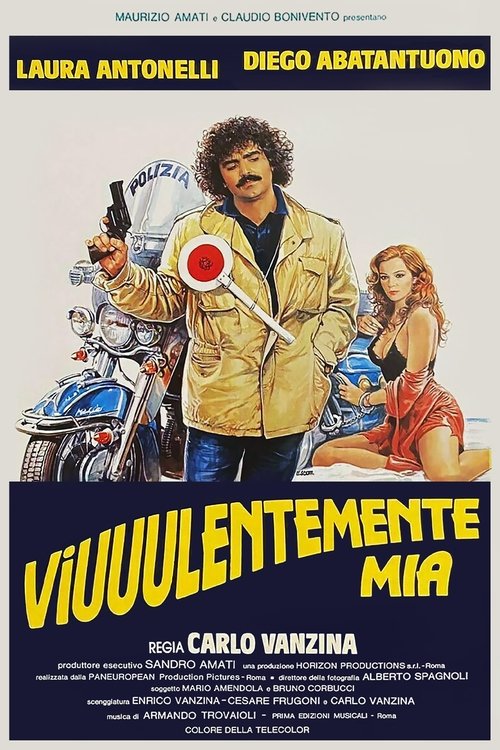
1982
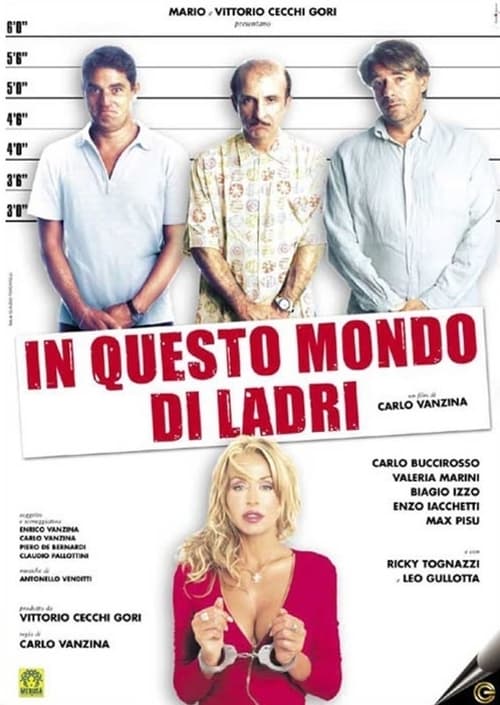
2004
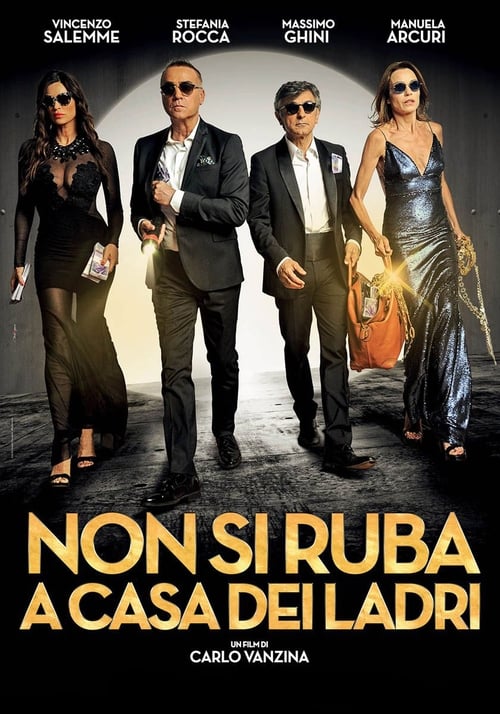
2016
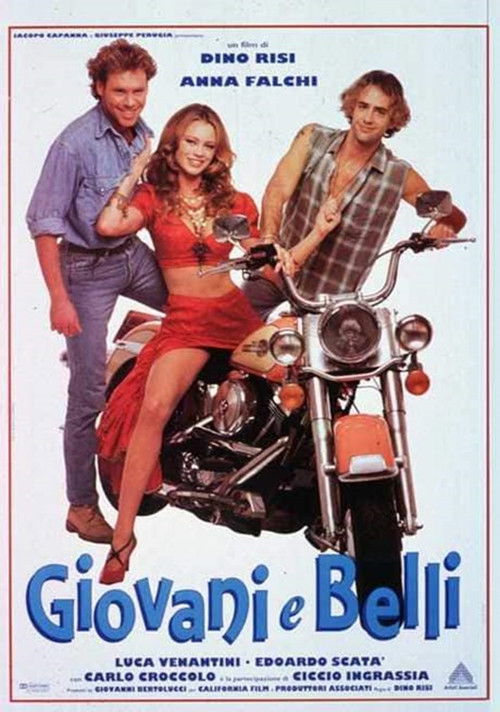
1996
No reviews yet. Be the first to share your thoughts on this movie!
Use the rating form above to leave a star rating and optional review.