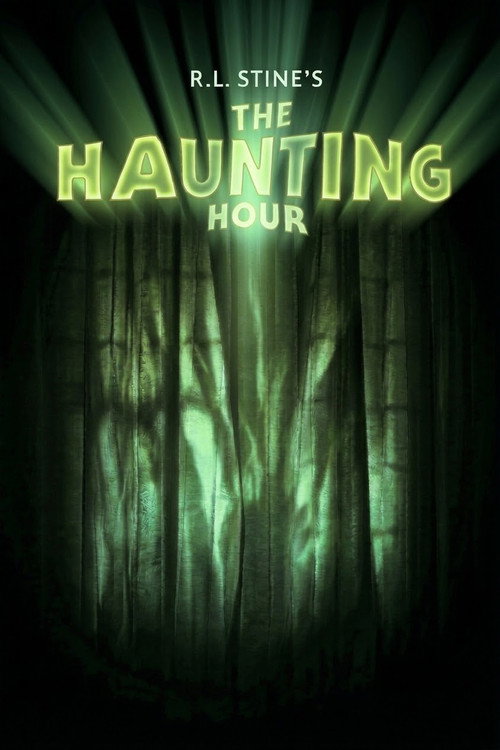
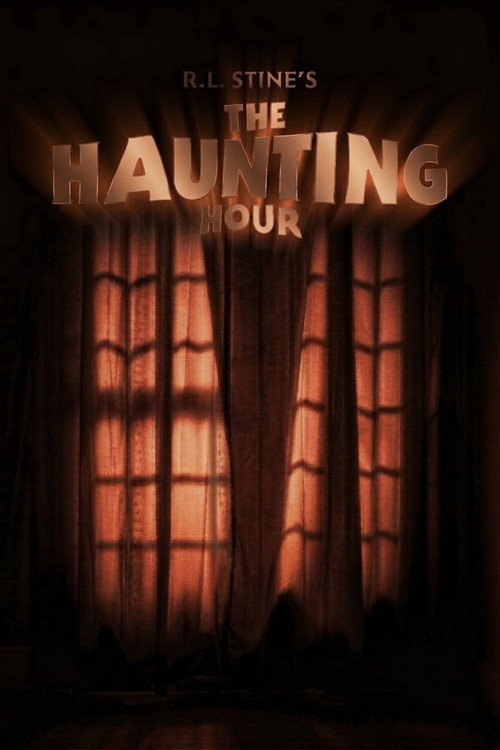
The Haunting Hour: Wrong Number
2011
No user ratings available yet
Representation score: 2.4 out of 10
Representation Score
Minimal
2011
TV-PGDirector
Neill Fearnley
Runtime
23 minutes
Average Rating
No ratings yetNew Showbiz Analysis
The film opens on the isolated, rural landscape of a sleepaway camp, a setting that immediately establishes a traditional, enclosed social world. The camera treats the young, white female cast as the standard objects of horror suspense, inviting the audience to identify with their vulnerability rather than challenging the gendered dynamics of the "girls in peril" trope. The sold meaning is a straightforward supernatural scare, where the primary human threat is the male bully, Meg, who reinforces the traditional hierarchy of male aggression against female victims. The film’s argument is thin, relying on genre conventions rather than offering any subversion of cultural defaults. The last image, likely a lingering shot of the protagonist’s fear or the dreamcatcher prop, serves as a moral verdict that the supernatural threat is the ultimate source of dread, leaving the social structures of the camp unexamined and unchallenged. The film is a competent, if unremarkable, entry in the anthology horror genre, prioritizing atmospheric tension over any progressive or identity-forward commentary.
Category Breakdown
No queer identity or same-sex intimacy appears. The cast features young women and a male bully, focusing exclusively on heterosexual peer conflict and supernatural fear.
The narrative centers on girls, but the male bully, Meg, serves as the primary human antagonist. The film relies on standard 'girls in peril' tropes rather than establishing female competence as the moral center.
The cast is entirely white, reflecting the homogeneous demographic of the rural sleepaway camp. No non-white characters appear, and the story offers no commentary on race or ethnicity.
The rural camp setting treats nuclear families and school hierarchies as unmarked defaults. The conflict remains interpersonal and supernatural, with no on-screen critique of institutional structures, faith, or national identity.
No characters are depicted with physical, sensory, or cognitive disabilities. The horror element is a supernatural entity, not a medical condition, and no disabled actors or characters are present.
Present on Screen
Limited or Absent
Official Synopsis
During a stay at a sleepaway camp, two girls are harassed by a sadistic spider-like boogeyman that haunts their dreams, not to mention a bully, Meg, who makes things even worse.
2011
2015

2010
2017
2011
2012
2010
2011
No reviews yet. Be the first to share your thoughts on this movie!
Use the rating form above to leave a star rating and optional review.