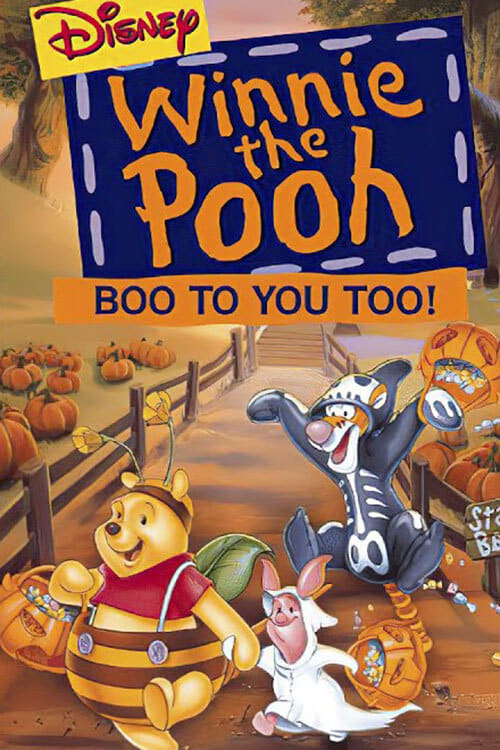
Boo to You Too! Winnie the Pooh
1996
No user ratings available yet
Representation score: 4.7 out of 10
Representation Score
Fair
2004
Runtime
60 minutes
Average Rating
No ratings yetNew Showbiz Analysis
This production follows the established, traditional storytelling standards of the Winnie the Pooh franchise. It relies on familiar character types and stable social structures that emphasize gentle morality. The use of animal characters creates a neutral setting that avoids racial stereotypes but doesn't include diverse cultural backgrounds or multi-layered identities. This leads to a homogeneous social environment. Overall, the film serves as a traditional piece of Western children's media, focusing on friendship and social harmony without challenging conventional norms or exploring complex identity-based narratives.
Category Breakdown
The franchise follows traditional storylines that don't include non-cisgender or LGBTQ+ identities or relationships.
Characters follow typical roles and responsibilities. Female characters play key roles, but the story doesn't challenge traditional gender hierarchies.
Using animal characters avoids racial stereotypes but doesn't include diverse cultural backgrounds or multi-layered identities.
The story emphasizes community and simple morality within a Western children's media context. It promotes social harmony without exploring complex moral issues.
Disabilities are often turned into whimsical quirks, avoiding certain stereotypes but failing to represent actual physical or neurodivergent conditions.
Present on Screen
Limited or Absent
1996
2002
2003

1997
1995

1977
1998
2003
No reviews yet. Be the first to share your thoughts on this movie!
Use the rating form above to leave a star rating and optional review.