
The Year of Anish Kapoor
2009
No user ratings available yet
Diversity score: 5.0 out of 10
1994
Director
Kevin Hull
Runtime
65 minutes
Average Rating
No ratings yetSynopsis
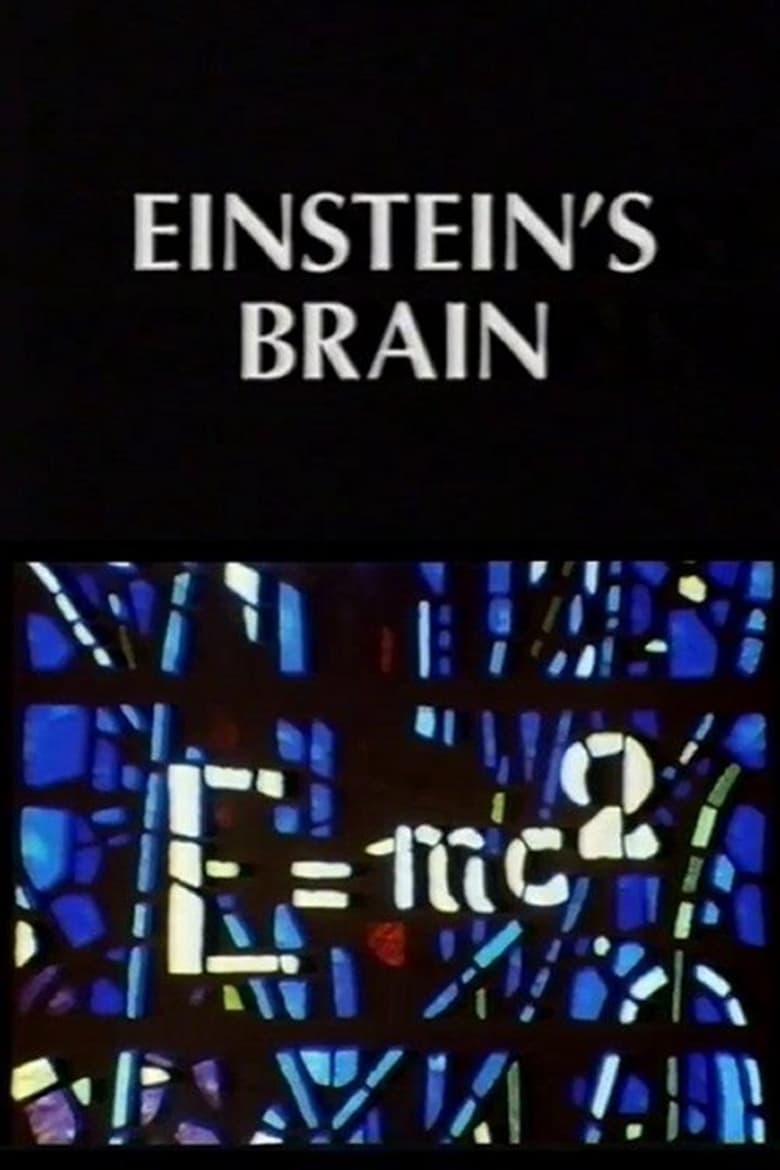
Documentary about Kenji Sugimoto, professor in Math and Science history at Kinki university in Japan. He has spent the last 30 years publishing works about Einstein and his personality. To complete his works he travels to America to find Einstein's brain.
Overall Score
Fair
Category Breakdown
LGBTQ+ Representation
The film focuses on the academic journey of Professor Kenji Sugimoto and the history of Albert Einstein. There is no evidence of LGBTQ+ characters or explorations of queer dynamics.
Gender Representation
The narrative centers on male-dominated scientific and historical spheres. While not actively misogynistic, the film lacks female agency and focuses on traditional male academic pursuits.
Racial & Ethnic Diversity
The documentary provides meaningful representation by centering a Japanese professor. This shifts the scientific perspective away from a purely Anglo-centric lens through a cross-cultural framework.
Religious & Cultural Diversity
The film follows a secular, academic exploration of history. It lacks a specific deconstruction of Western hegemony or deep critiques of Western institutions.
Disability Representation
There is no visible or invisible disability portrayed with agency. No disability is used as a narrative device within the documentary.
Strengths
Areas for Improvement
AI Analysis
Relics: Einstein's Brain functions as a specialized biographical documentary centered on scientific inquiry. It succeeds in diversifying the perspective of scientific history by placing a Japanese academic at the heart of the narrative, moving beyond a strictly Western viewpoint. However, the film remains limited by its narrow focus on male-dominated historical spheres. The lack of female agency and the absence of LGBTQ+ representation or disability narratives keep the work within traditional, non-intersectional documentary structures. Ultimately, while the cross-cultural journey provides a moderate level of diversity, the film lacks the systemic critique or social complexity required for a higher progressive rating.
2009

2017

1953
2023
2007

2006

2020

2010
2003

2023

2012

2009
No reviews yet. Be the first to share your thoughts on this movie!
Use the rating form above to leave a star rating and optional review.