
My Favorite Girl
2020
No user ratings available yet
Representation score: 3.7 out of 10
Representation Score
Fair
1989
Director
Takayoshi Watanabe
Runtime
102 minutes
Average Rating
No ratings yetNew Showbiz Analysis
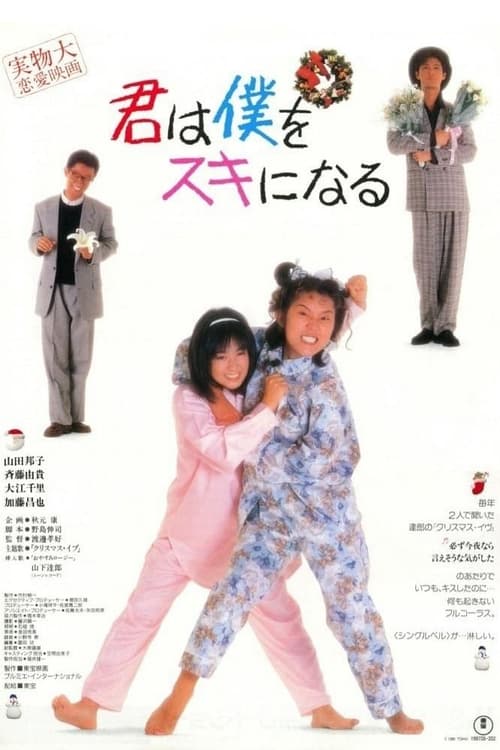
You'll Fall For Me operates as a typical character-driven romantic comedy. It successfully centers female emotional ability to act, allowing the protagonists to drive the central conflict between friendship and romance. However, the film lacks multi-layered complexity. The narrative adheres to conventional genre expectations of the late 1980s, focusing on traditional social structures rather than challenging them. While the focus on female interpersonal dynamics provides a strong foundation for exploring gendered social interactions, the absence of diverse identities or systemic critiques keeps the scope relatively narrow.
Category Breakdown
The story focuses on a male character's romantic interests, with no explicit representation of non-straight identities or critiques of the assumption that everyone is straight.
Female characters navigate social pressures and take control of their emotional lives. The plot emphasizes their decision-making power, moving away from traditional male-led narratives.
Set in Japan, the story reflects a culturally uniform environment. The narrative stays within its cultural context without reinforcing Western norms.
The film explores themes of loyalty among friends versus personal desires. Holiday and romantic competition plots align with traditional social structures.
There are no characters with visible or invisible disabilities in the narrative.
Present on Screen
Limited or Absent
Official Synopsis
Meet Chika. She thinks she's been jinxed: she's going to be dumped on Christmas Eve. Enter Tomako, who likes reading and making pudding. Although they're total opposites, by a twist of fate, they become best friends. However, it turns out they both want to spend Christmas Eve with the same guy. Will they choose friendship? Or love?
2020

2004

2017

2010

2003
1985

2017

2019
No reviews yet. Be the first to share your thoughts on this movie!
Use the rating form above to leave a star rating and optional review.