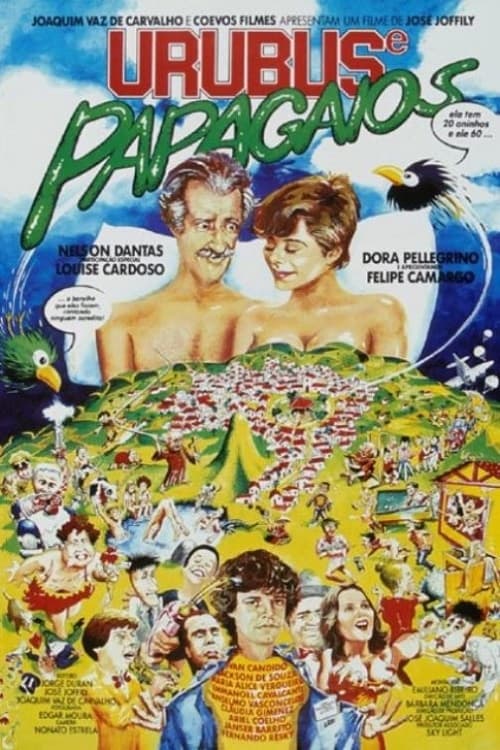
Urubus e Papagaios
1987
No user ratings available yet
Representation score: 4.6 out of 10
Representation Score
Good
1985
Director
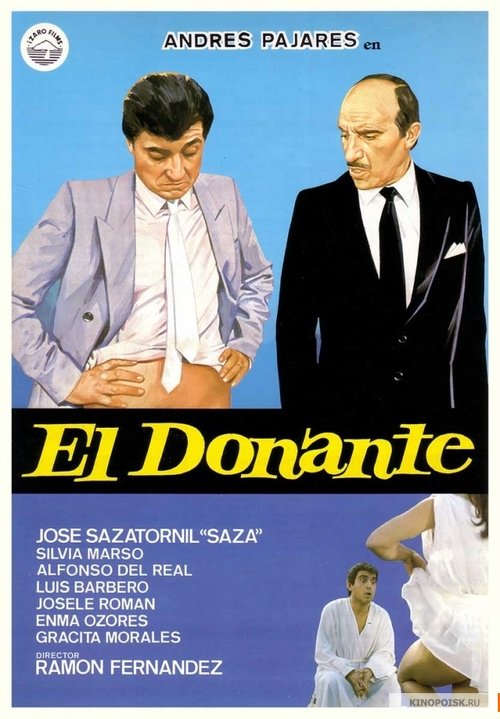
Ramón Fernández
Runtime
85 minutes
Average Rating
No ratings yetNew Showbiz Analysis
El donante is a transgressive comedy that finds its strength in subverting sacred institutions. By treating the afterlife and masculine virility as absurd, material concerns, it disrupts traditional religious and patriarchal certainties. However, the film lacks multi-layered breadth, remaining largely homogeneous in its racial and LGBTQ+ representation. It focuses more on bodily farce than on diverse social identities. Ultimately, the film functions as a secular critique of Western decorum, prioritizing irreverence over broad demographic inclusivity.
Category Breakdown
The film focuses on the commodification of sexual organs and bodily autonomy, suggesting a departure from conservative norms. While it lacks explicit queer character arcs, its irreverent approach to sexual sanctity stands out.
The narrative mocks traditional masculine virility by treating the protagonist's anatomy as a detachable commodity. It shifts the focus from traditional provider roles to a more absurd, physical emphasis.
The cast appears relatively homogeneous, reflecting the demographic norms of 1980s Spanish comedy. There are no non-white protagonists or significant racial blending.
The film uses a comedic version of Heaven to satirize religious institutions. It critiques the divide between materialism and spirituality by making physical organs a necessity in the afterlife.
The plot explores themes of physical impairment through the lens of organ transplantation. It highlights human vulnerability and the reliance on biological interventions to maintain a sense of wholeness.
Present on Screen
Limited or Absent
Official Synopsis
Tato Montini (Andrés Pajares), a popular radio show host and ladies man, agrees to donate his penis for a transplant after his death. He dies, goes to Heaven and discovers that even in afterlife he would have still needed his penis.
1987
1941
1971

1993
2001

1976

1976
1991
No reviews yet. Be the first to share your thoughts on this movie!
Use the rating form above to leave a star rating and optional review.