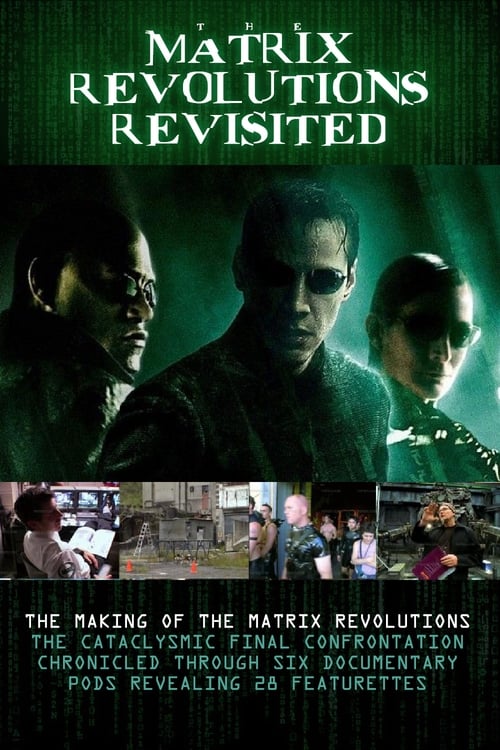
The Matrix Revolutions Revisited
2004
No user ratings available yet
Diversity score: 5.1 out of 10
2004
Director
Josh Oreck
Runtime
61 minutes
Average Rating
No ratings yetSynopsis
An hour long discussion on the philosophical concepts that inspired, and are presented in the trilogy. This is one of the two feature-length documentaries on disc number 8 of the 10-Disc Ultimate Set.
Overall Score
Fair
Category Breakdown
LGBTQ+ Representation
The film engages with themes of identity and the fluidity of perception. While it lacks specific depictions of non-cisnormative characters, its intellectual framework aligns with queer theory.
Gender Representation
The documentary explores the subversion of traditional gender hierarchies found in the source material. However, the discussion-based format lacks explicit, character-driven gender dynamics.
Racial & Ethnic Diversity
Thematic inquiries into systemic control often intersect with post-colonial critiques of power. The film's focus on breaking free from 'programming' aligns with frameworks of racial liberation.
Religious & Cultural Diversity
The film prioritizes secularism and subjective truth over traditionalist moralities. It engages deeply with non-traditional values by questioning established Western institutions and social orders.
Disability Representation
There is no evidence that neurodivergence or physical disabilities are central to the discussion. The film lacks intentional disability agency or specific representation.
Strengths
Areas for Improvement
AI Analysis
This documentary functions as an intellectual deconstruction of power and reality rather than a character-driven narrative. Its strength lies in its thematic alignment with progressive philosophical inquiry, specifically regarding systemic critique and the questioning of established social structures. Because the film is a discussion-based documentary, it lacks the visible, on-screen representation of diverse identities found in narrative cinema. It relies on meta-commentary to address concepts like identity and hegemony rather than through direct character agency. Ultimately, the work provides a foundation for exploring liberation and moral relativism, even if it does not provide explicit depictions of specific marginalized groups.
2004
2003

2004
2004
2017

2004
2004

2002

1999
2015

2015

2015
No reviews yet. Be the first to share your thoughts on this movie!
Use the rating form above to leave a star rating and optional review.