Colour Photo
2020
No user ratings available yet
Representation score: 4.5 out of 10
Representation Score
Minimal
2011
Director
Parasuram Petla
Runtime
150 minutes
Average Rating
No ratings yetNew Showbiz Analysis
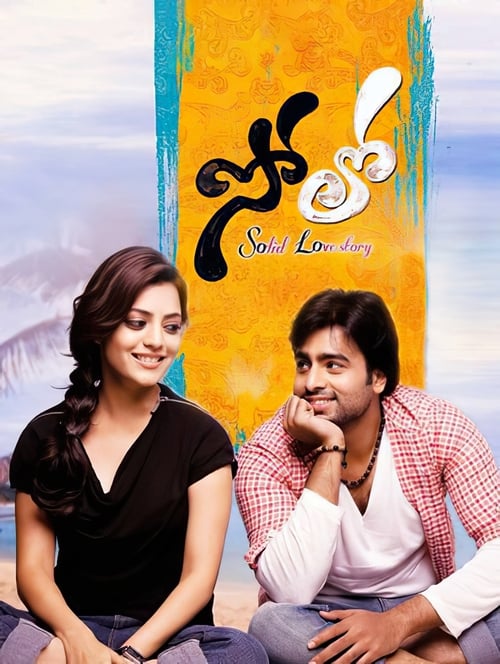
Solo is a traditional romantic drama that upholds established social hierarchies rather than challenging them. The plot centers on a male protagonist's desire to marry into a traditional joint family, emphasizing conventional kinship structures. The film relies heavily on patriarchal dynamics, particularly through a father figure controlling his daughter's marital choices. This reinforces traditional power structures rather than offering a subversion of gender roles. Ultimately, the work serves to reinforce cultural norms. It prioritizes communal stability and traditional romantic clichés over characters who reflect more than one aspect of diversity or critical examination of societal structures.
Category Breakdown
The film focuses on a traditional romantic relationship. There are no representations of non-traditional gender identities or critiques of conventional dating practices.
The story follows conventional gender roles. Although the female character shows emotional strength, the plot revolves around patriarchal authority and traditional marriage.
Reflecting its local setting, the film highlights specific cultural contexts. However, it does not explore the complexities of racial diversity or multi-layered identities.
The narrative emphasizes communal harmony and traditional family structures. It portrays joint family living and respect for elders as ideal goals.
The film does not include characters dealing with physical, sensory, or neurodivergent conditions.
Present on Screen
Limited or Absent
Official Synopsis
Gautham Nara Rohith is an orphan who always wishes to get married to a girl from a joint family to experience the love of relationships and elders. He falls in love with Vaishnavi Nisha Aggarwal who belongs to a joint family. He tries to woo her and finally she agrees and fall in love with him too. Vaishnavi shares a very good relationship with everyone at home especially her dad Naidu Prakash Raj. One day he gets to know about his daughter and Gautham's relationship. He dislikes it as he always wanted to get his daughter married to a guy who belongs to a good family. He sets an alliance with someone else. What happens next forms the rest.
2020

2009

2019

2013
2006

2003
2009
2006
No reviews yet. Be the first to share your thoughts on this movie!
Use the rating form above to leave a star rating and optional review.