
The Old Gun
1975
No user ratings available yet
Representation score: 0.9 out of 10
Representation Score
Minimal
1971
PGDirector
James Clavell
Runtime
128 minutes
Average Rating
No ratings yetNew Showbiz Analysis
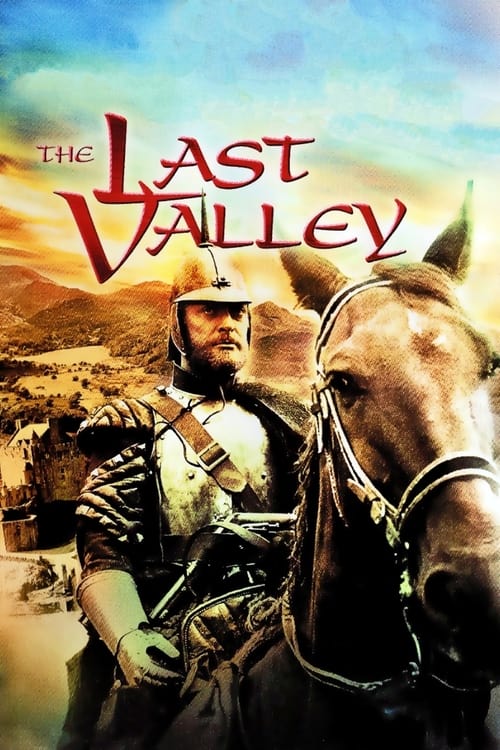
The Last Valley is a traditional historical epic that emphasizes the social hierarchies and brutal realities of the Thirty Years' War. It offers a nuanced critique of institutional stability and religious order through a lens of historical realism, rather than identity-based subversion. The film's low diversity score comes from its adherence to the traditional gender and racial norms of its 1971 production context. It focuses on male-driven military conflicts and a homogeneous European cast, offering little representation of diverse backgrounds.
Category Breakdown
The film strictly follows 17th-century social norms, with no depiction of non-straight or non-cisgender identities or same-sex relationships.
Women are mainly shown as victims of military occupation. The story centers on male-driven conflicts and hierarchies, with little focus on women's roles.
The cast is ethnically uniform, reflecting a localized European population. There are no non-white characters or actors playing roles outside their ethnicity.
The film critiques the sanctity of traditional institutions by highlighting the clash between ordered peasant life and the nihilistic opportunism of mercenary soldiers.
There are no prominent or central depictions of disabilities that significantly impact character arcs or the narrative.
Present on Screen
Limited or Absent
Official Synopsis
People in a small German village in the last valley to remain untouched by the devastating Thirty Years' War try to exist in peace with a group of soldiers occupying the valley.
1975
1964
2002
1961
1967
1969
1930
2003
No reviews yet. Be the first to share your thoughts on this movie!
Use the rating form above to leave a star rating and optional review.