
Joni
1979
No user ratings available yet
Representation score: 3.0 out of 10
Representation Score
Fair
1981
RDirector
John Badham
Runtime
119 minutes
Average Rating
No ratings yetNew Showbiz Analysis
The film stands out for its sophisticated handling of disability, moving past pity to highlight the protagonist's dignity and ability to act. It employs the central conflict to challenge institutional authority and traditional moral frameworks. However, the film lacks representation of LGBTQ+ characters and features a predominantly homogeneous cast with minimal racial diversity. Overall, the film is a character-driven exploration of bodily autonomy. While it lacks demographic variety, it offers a rich, intellectual examination of ethical issues.
Category Breakdown
There are no LGBTQ+ characters or storylines in the film. The narrative focuses solely on the protagonist's physical condition and his relationship with his wife.
The protagonist's wife is a central figure who avoids submissive stereotypes. The story delves into the complex emotional and psychological pressures of caregiving during a high-stakes legal battle.
The cast is predominantly uniform, reflecting the social constraints of its 1981 setting. There is no significant racial diversity among the main characters.
The film questions the 'sanctity of life' doctrine by depicting the medical establishment as a bureaucratic machine. It emphasizes subjective experiences over strict institutional morality.
The portrayal of a quadriplegic artist is nuanced and avoids inspirational clichés. The protagonist retains significant narrative influence and intellectual independence despite his physical limitations.
Present on Screen
Limited or Absent
Official Synopsis
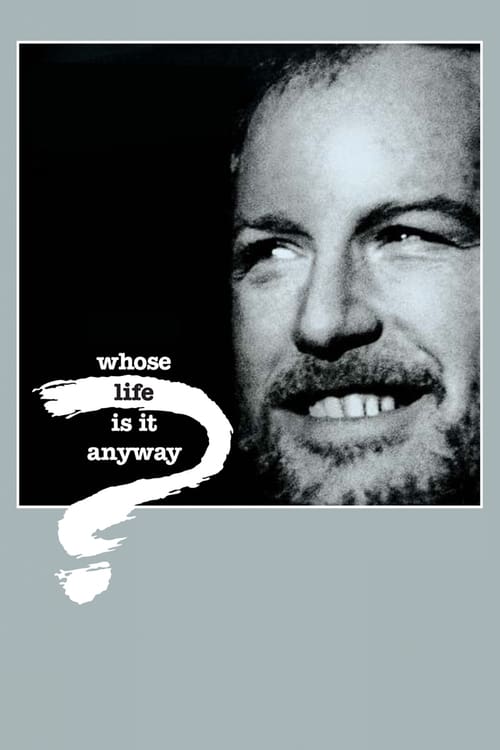
Ken Harrison is an artist that lives to make sculptures. One day he is involved in a car accident, and is paralyzed from his neck down. All he can do is talk and move his head, and he wants to die. Whilst he is in hospital he makes friends with some of the staff, and they support him when he goes to trial to be allowed to die.
1979
2021

2004

2013
1986

2001
1978

2014
No reviews yet. Be the first to share your thoughts on this movie!
Use the rating form above to leave a star rating and optional review.