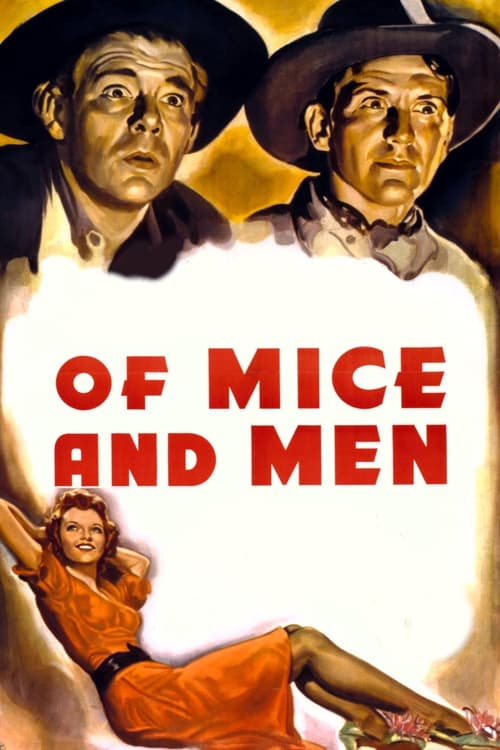
Of Mice and Men
1939
No user ratings available yet
Diversity score: 4.4 out of 10
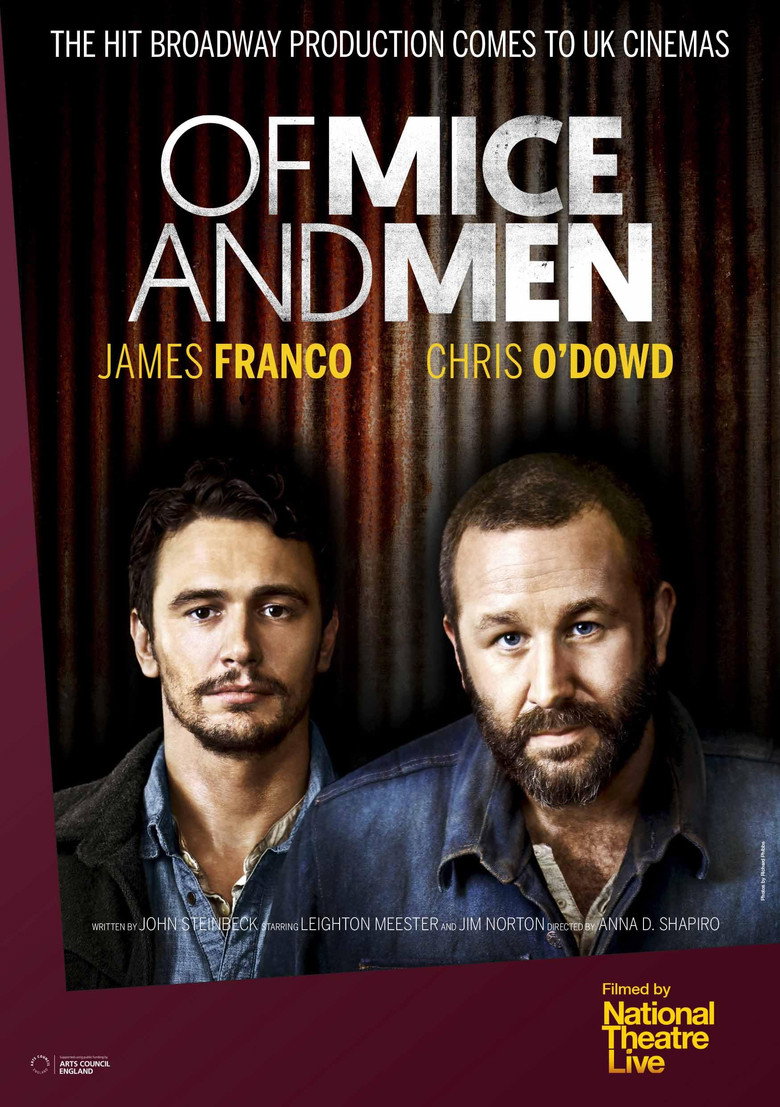
2014
NRDirector
Anna D. Shapiro
Runtime
143 minutes
Average Rating
No ratings yetSynopsis
A powerful portrait of the American spirit and a heartbreaking testament to the bonds of friendship.
Overall Score
Fair
Category Breakdown
LGBTQ+ Representation
The production features no LGBTQ+ characters or narratives. The interpersonal dynamics focus exclusively on the intense platonic bond between the two male protagonists.
Gender Representation
The narrative is predominantly male-centric, reflecting 1930s labor demographics. Curley’s wife illustrates female isolation and lack of agency within a patriarchal structure, though the production does not actively subvert these hierarchies.
Racial & Ethnic Diversity
The cast is predominantly white, maintaining period accuracy for the migrant worker demographic. The production does not use race-bent casting to disrupt the traditionalist setting.
Religious & Cultural Diversity
The film critiques the 'American Dream' as a predatory myth and examines oppressive economic structures. It highlights systemic failures through a narrative that prioritizes survival over traditional stability.
Disability Representation
Lennie provides a complex portrayal of intellectual disability. The production avoids romanticizing his struggle, instead focusing on the devastating social and systemic consequences of his neurodivergence.
Strengths
Areas for Improvement
AI Analysis
This production of Steinbeck’s classic is a somber examination of socioeconomic instability and the fragility of human connection. It excels in its thematic critique of systemic oppression and the deconstruction of the American Dream, offering a nuanced look at how institutions fail the working class. However, the film remains tethered to the historical demographics of the 1930s, resulting in a predominantly white and male-centric cast. This creates a homogeneous visual representation that lacks diverse ethnic perspectives or meaningful female interactions to challenge social structures. While the casting is traditionalist, the portrayal of neurodivergence is a significant strength. By framing Lennie’s actions through the lens of disability rather than malice, the production achieves a level of emotional depth often missing from such narratives.
1939

2010

2015

2014
2014

2015

2018

2015
2019

2011
2012

2012
No reviews yet. Be the first to share your thoughts on this movie!
Use the rating form above to leave a star rating and optional review.