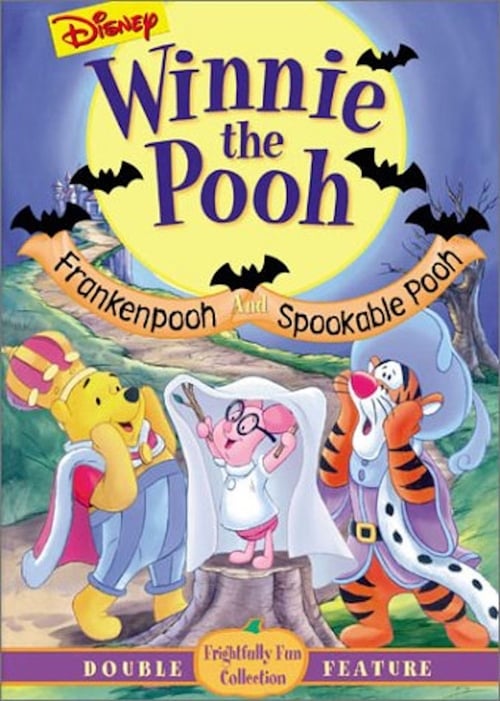
Winnie the Pooh: Frankenpooh and Spookable Pooh
2002
No user ratings available yet
Representation score: 2.4 out of 10
Representation Score
Minimal
1995
Director
Terence Harrison
Runtime
29 minutes
Average Rating
No ratings yetNew Showbiz Analysis
This anthology film prioritizes genre-based entertainment, using horror-comedy and slapstick humor to engage a young audience. The narrative stays within the internal dynamics of the Hundred Acre Wood, focusing on local fears like ghosts and monsters. Since the stories revolve around traditional character types, the film lacks intentional diversity. It operates as a standard episodic work for families without attempting to deconstruct social hierarchies or engage with progressive identity issues. Ultimately, the work adheres to conventional storytelling patterns. It does not aim to challenge social structures or engage with progressive identity politics.
Category Breakdown
The film centers on well-known character types such as Pooh and Tigger. There are no characters with non-traditional gender identities or stories that challenge the idea that everyone is straight or cisgender.
Most characters are gender-neutral or follow typical animation conventions. The humor relies on physical comedy rather than challenging gender roles or stereotypes.
The cast includes a uniform group of anthropomorphic animals. There is no evidence of casting actors whose backgrounds differ from the traditional expectations of the characters.
The stories follow traditional family-friendly themes focused on childhood fears. The narrative does not challenge established social norms or Western cultural assumptions.
The production does not feature characters with neurodevelopmental conditions or physical disabilities. No characters are shown taking control or making decisions related to sensory or physical impairments.
Present on Screen
Limited or Absent
Official Synopsis
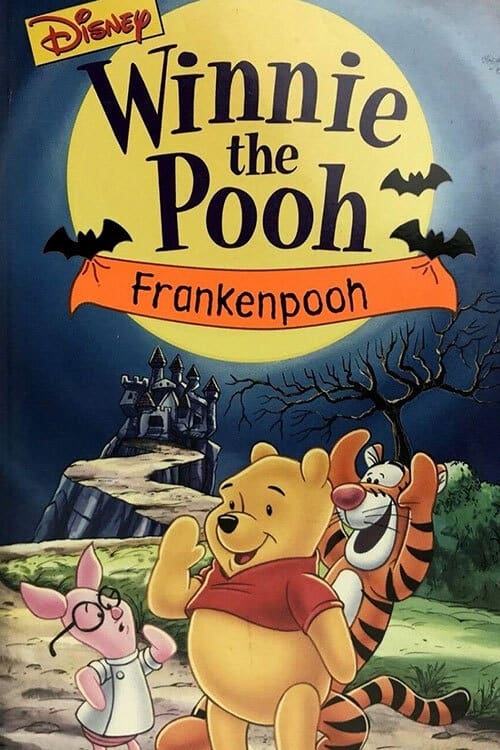
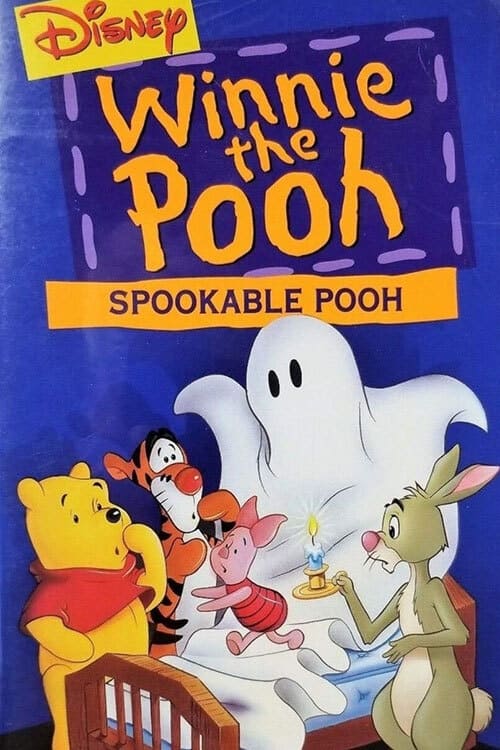
In "Frankenpooh", it's a dark night in the Hundred Acre Wood, and Piglet wants to tell a nice, not-so-scary story, but Tigger tells a very scary story about Dr. Von Piglet creating The Monster Frankenpooh. Next, in "Things that go Piglet in the Night", Pooh and the gang believe there is a ghost in the Hundred Acre Wood. Finally, in "Pooh Moon", Pooh and Piglet find they’ve landed on the Honey Moon, while the others think the Grab-Me Gotcha has got them!
2002
2002
1997

1977
1994
1996
1954
1969
No reviews yet. Be the first to share your thoughts on this movie!
Use the rating form above to leave a star rating and optional review.