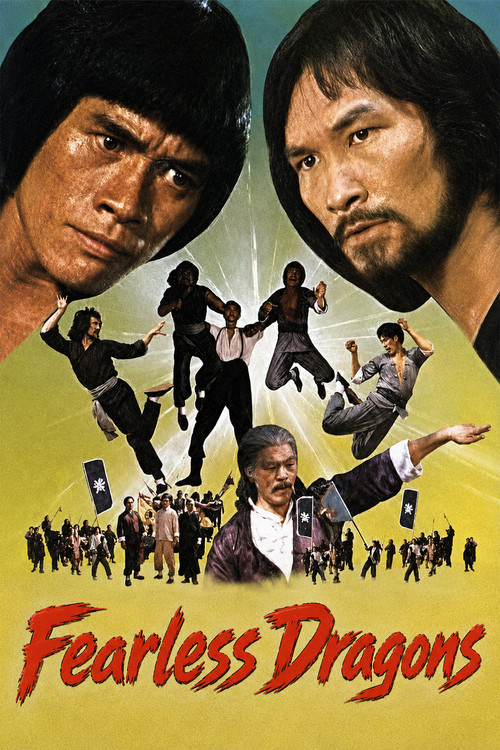
Fearless Dragons
1980
No user ratings available yet
Diversity score: 4.6 out of 10
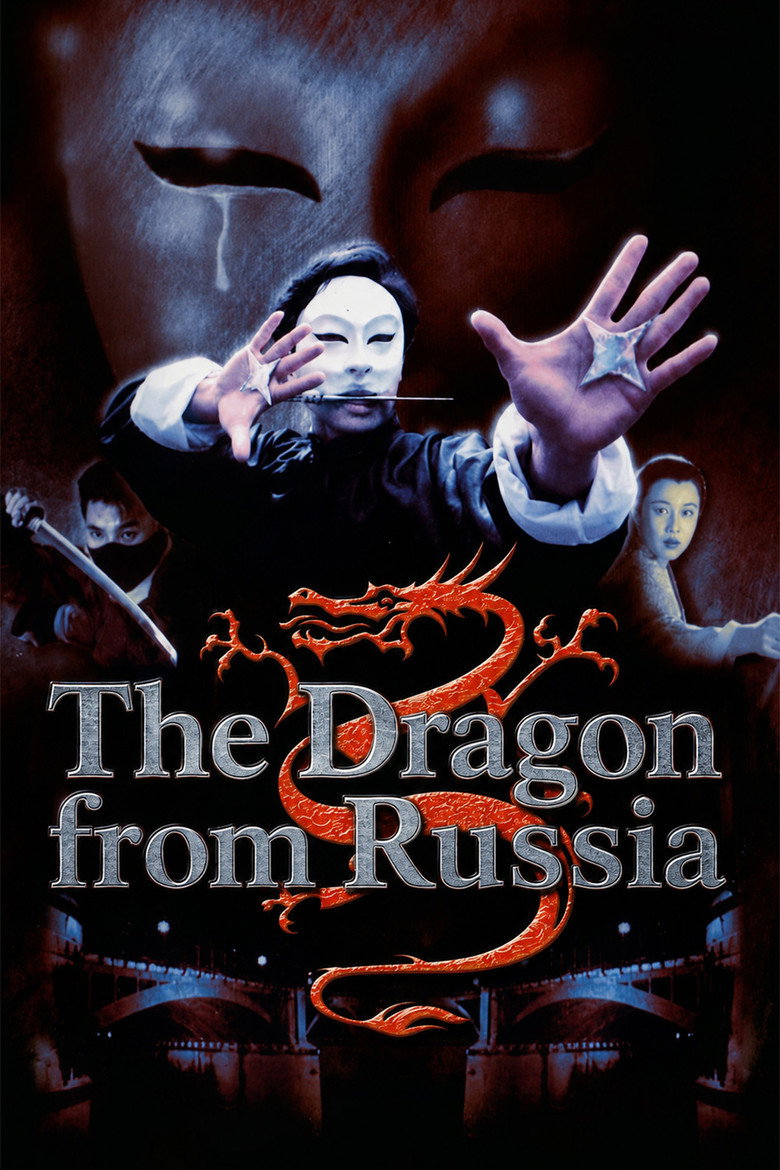
1990
Director
Clarence Ford
Runtime
96 minutes
Average Rating
No ratings yetSynopsis
A former member of a band of criminals known as the 'Eight-Hundred Dragons' is living in fear in Manchuria as the clan does not allow people to leave alive. However, he is eventually tracked down, and kidnapped along with a young Manchurian, Yao - whose memory is erased so that he can be trained in martial arts. Yao's work as an assassin becomes more complicated, however, when he sees his old lover again and his real memories come flooding back.
Overall Score
Fair
Category Breakdown
LGBTQ+ Representation
The story mentions a past lover for the character Yao, which introduces an element of emotional history. However, the gender of this partner remains unspecified, leaving the nature of the relationship unclear.
Gender Representation
The plot centers on male-coded archetypes, specifically a former criminal and an assassin. There is little evidence of female agency or significant roles for women in driving the narrative forward.
Racial & Ethnic Diversity
The film provides a non-Western framework by centering its action within a Manchurian context. This focus on East Asian settings and regional clan structures offers a departure from typical Anglo-centric perspectives.
Religious & Cultural Diversity
The narrative explores themes of systemic control through the oppressive Eight-Hundred Dragons clan. It uses the erasure of memory to examine the struggle for individual identity against institutional forces.
Disability Representation
No visible or invisible disabilities are portrayed in the film. The memory erasure used in the plot serves as a narrative device for training rather than a depiction of cognitive disability.
Strengths
Areas for Improvement
AI Analysis
The Dragon from Russia succeeds in moving away from Western-centric action tropes by grounding its conflict in Manchurian social structures. This provides a meaningful ethnic setting that distinguishes it from many 1990s contemporaries. However, the film relies heavily on traditional masculine archetypes of combat and survival. The lack of clear gendered agency and the ambiguity surrounding the romantic connections prevent a more progressive score. Ultimately, the film functions as a moderate example of non-Western storytelling, focusing more on identity reclamation through action than on diverse social representation.
1980
1980
1980
1990
1982
1978
1996
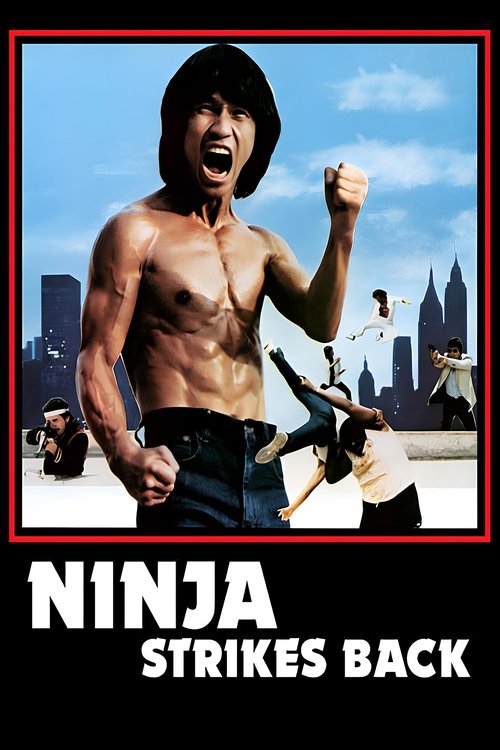
1982

1991
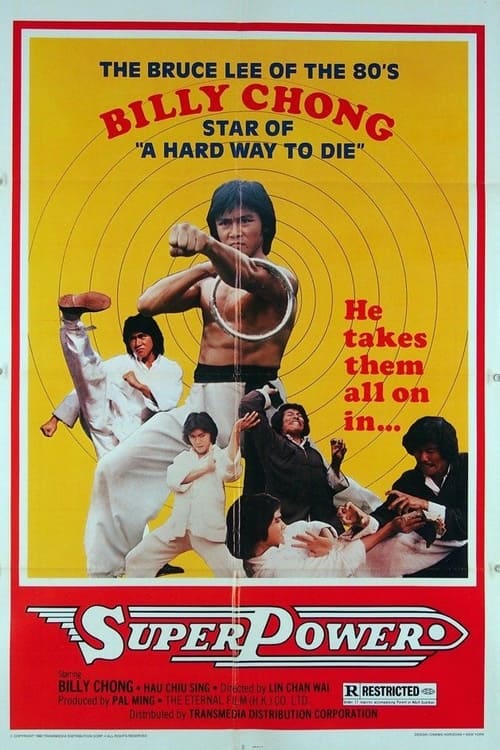
1980
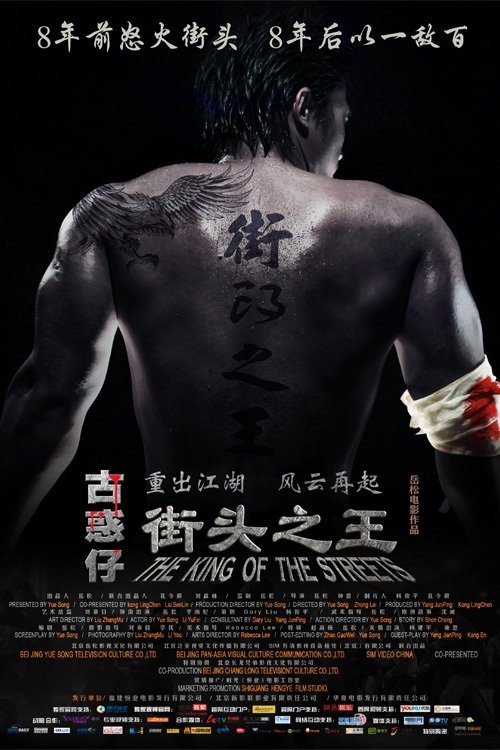
2012
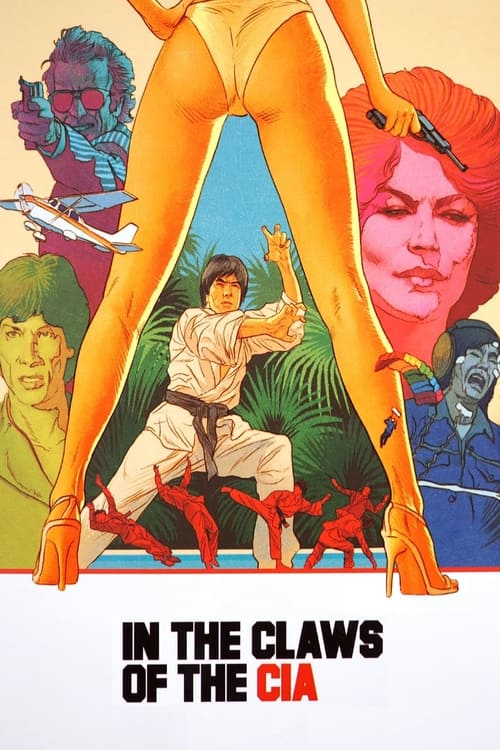
1981
No reviews yet. Be the first to share your thoughts on this movie!
Use the rating form above to leave a star rating and optional review.