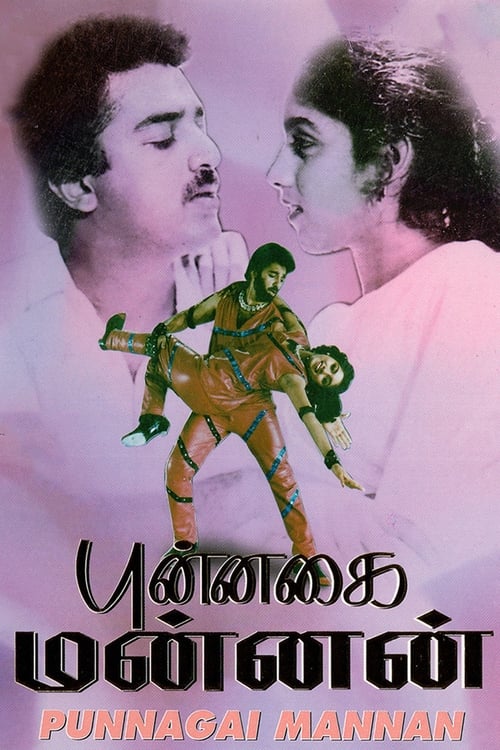
Punnagai Mannan
1986
No user ratings available yet
Representation score: 6.8 out of 10
Representation Score
Limited
1986
Director
Mani Ratnam
Runtime
146 minutes
Average Rating
No ratings yetNew Showbiz Analysis
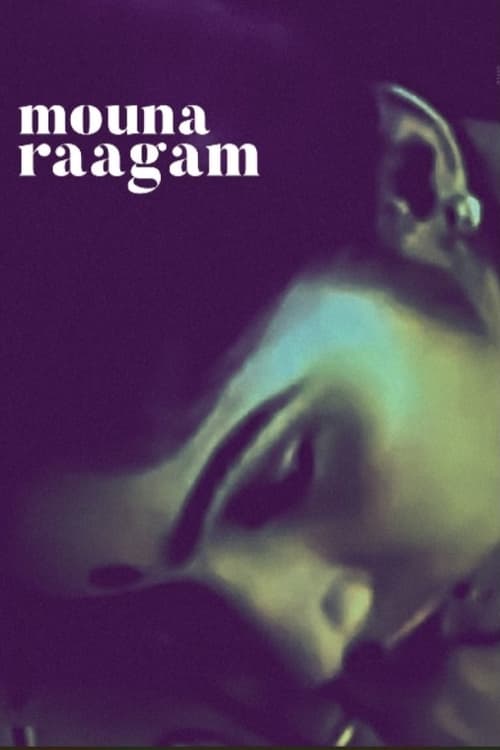
Mouna Raagam distinguishes itself through its psychological realism, moving away from the exaggerated melodrama typical of 1980s Indian cinema. By focusing on Divya's personal journey, the film challenges the era's conventional gender roles and societal norms. Despite its cultural specificity and adherence to a heterosexual framework, the film excels in its exploration of inner lives. It shifts the focus from rigid social structures to individualistic, secular values and emotional truth. Ultimately, the film's strength lies in its nuanced portrayal of female autonomy, even as it remains rooted in a traditional social context.
Category Breakdown
The film follows a strictly heterosexual relationship framework. There are no characters with LGBTQ+ identities or same-sex relationships.
Divya emerges as a powerful protagonist who challenges traditional gender roles through her emotional independence. The story overturns the submissive wife stereotype by highlighting her quest for truth.
The film authentically captures the middle-class Indian experience without relying on stereotypes or blending cultures.
The narrative questions the sanctity of arranged marriages, emphasizing individual desires over strict religious or family traditions.
The film does not feature any characters with physical or neurological disabilities that play a central role in the plot.
Present on Screen
Limited or Absent
Official Synopsis
Divya, a college student, is forced to marry Chandrakumar due to family pressure. However, she asks for a divorce as a wedding gift, revealing her past.
1986
1989
2000
1998
1985

2023
2007
1995
No reviews yet. Be the first to share your thoughts on this movie!
Use the rating form above to leave a star rating and optional review.