My Salinger Year
2020
No user ratings available yet
Representation score: 4.2 out of 10
Representation Score
Fair
2015
RDirector
James Ponsoldt
Runtime
106 minutes
Average Rating
No ratings yetNew Showbiz Analysis
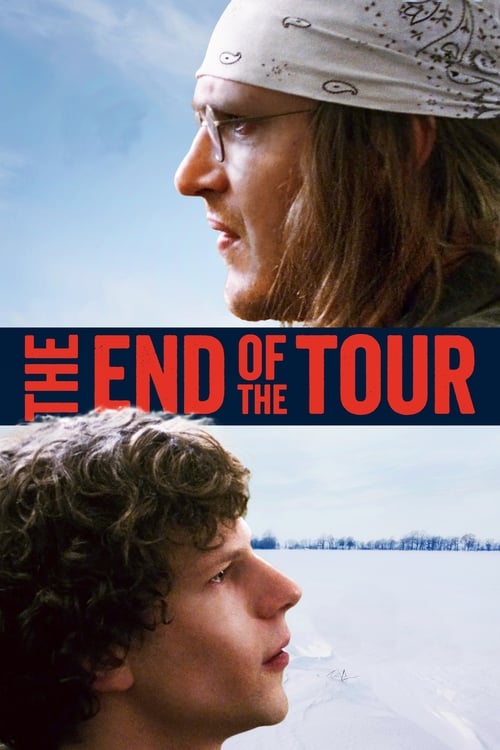
The film is a specialized biographical drama that prioritizes psychological realism and postmodern inquiry. It succeeds in offering a nuanced look at neurodivergence and introduces non-traditional identity elements through its lead characters. However, the narrow focus on a homogeneous, male-dominated intellectual space limits its broader impact. The narrative structure is designed to explore the limits of language and the ethics of truth rather than challenging systemic social hierarchies. Ultimately, the film reflects a specific, insular milieu, resulting in a lack of racial and gender diversity.
Category Breakdown
David Lipsky's personal orientation adds a layer of identity outside traditional assumptions about straight relationships. However, this aspect remains a biographical detail rather than a primary driver of the plot.
The film focuses on the intimacy between two men, operating within a heavily male-centric framework. Women appear mainly as peripheral figures, such as wives or partners, providing context rather than driving the story.
The cast is homogeneous, reflecting the specific white, academic circles of the bk96 setting. The narrative remains strictly tethered to the historical reality of the subjects' immediate environments.
The film explores postmodern themes like moral relativism and the tension between irony and sincerity. It handles the complexities of mental health and addiction with nuance rather than moralistic condemnation.
The narrative offers a sophisticated portrayal of invisible disabilities like clinical depression. It treats mental illness as a central, lived reality that shapes the protagonist's worldview and actions.
Present on Screen
Limited or Absent
Official Synopsis
The story of the five-day interview between Rolling Stone reporter David Lipsky and acclaimed novelist David Foster Wallace, which took place right after the 1996 publication of Wallace's groundbreaking epic novel, 'Infinite Jest.'
2020
2007

2010
2010
2015

1981

2007

2016
No reviews yet. Be the first to share your thoughts on this movie!
Use the rating form above to leave a star rating and optional review.