
Neverlost
2010
No user ratings available yet
Representation score: 4.2 out of 10
Representation Score
Fair
2008
PG-13Director
A.D. Calvo
Runtime
92 minutes
Average Rating
No ratings yetNew Showbiz Analysis
The film operates as a conventional independent genre piece, prioritizing individual psychological trauma over diverse representation. It relies on established cinematic clichés of the thriller and coming-of-age genres rather than deconstructing social hierarchies. The narrative structure centers on a romantic tragedy that assumes everyone is straight. This focus on a male protagonist's grief limits the scope for diverse perspectives or challenging traditional gender and racial norms. Ultimately, the work lacks the intentional effort needed for progressive representation. It functions within a standard framework that favors individual emotional development over broader social or cultural critiques.
Category Breakdown
The story focuses on a tragic romance between a man and his deceased girlfriend. There are no documented non-straight identities or critiques of the assumption that everyone is straight.
The plot revolves around a male protagonist's internal trauma and psychological struggles. A mysterious waitress offers some female influence, but the narrative primarily centers on the male perspective.
The film follows a traditional casting approach without prioritizing a non-white majority. It does not use race-bent casting or racial metaphors.
The film explores themes of mortality and the afterlife through a standard psychological thriller lens. It does not explicitly critique Western institutions like religion or family.
The protagonist's psychological distress and visions might represent mental health issues. However, these symptoms are used more as a supernatural plot device than a nuanced portrayal of mental health.
Present on Screen
Limited or Absent
Official Synopsis
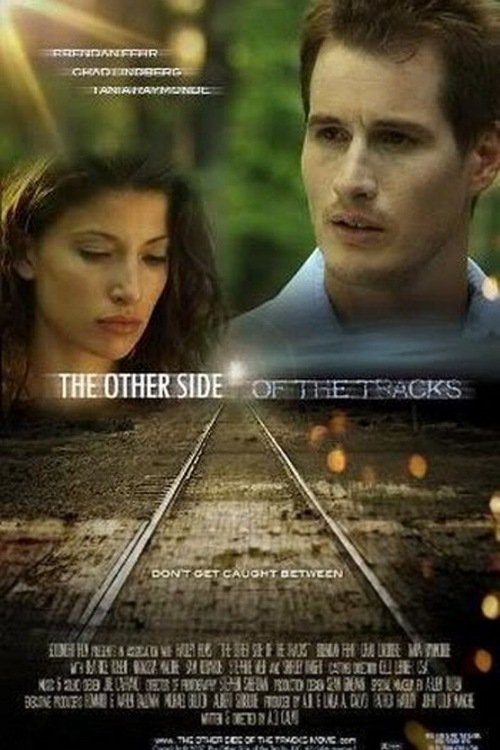
A depressed young man struggles to move on and escape haunting memories of his girlfriend, killed ten years ago in a train accident.
2010
2009

2011

2006
2016
2002

2018

2013
No reviews yet. Be the first to share your thoughts on this movie!
Use the rating form above to leave a star rating and optional review.