
Ho Ho Ho
2009
No user ratings available yet
Diversity score: 3.8 out of 10
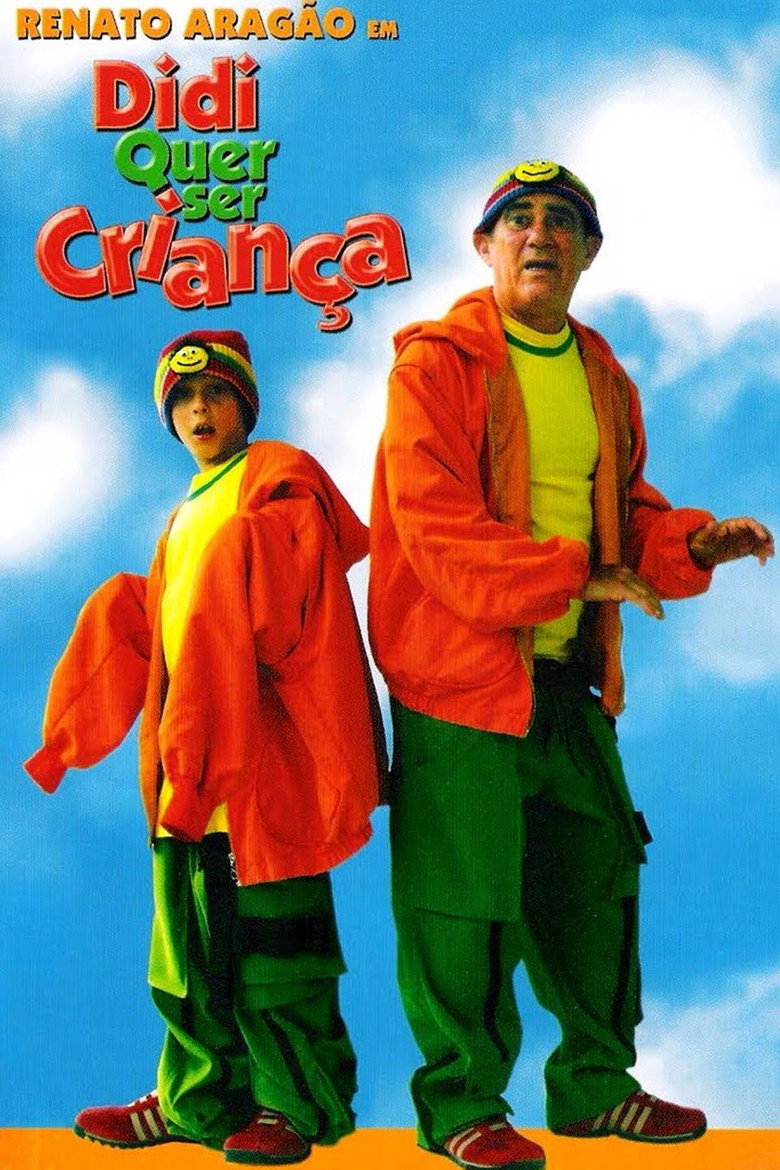
2004
Director
Reynaldo Boury, Alexandre Boury
Runtime
86 minutes
Average Rating
No ratings yetSynopsis
Didi works at a traditional candy factory, which faces serious problems with the competition of a big company, whose products are full of artifical and dangerous flavors and colorants. He tries to warn the kids of the danger, but they don't believe him, and he prays to his saints of devotion, St. Cosmas and St. Damian, for a solution. Some other day, he gives shelter to two poor men who, in return, give him some magical candies. After eating them, he turns into a kid and tries again to talk to the other children, who now take him seriously, since he has become one of them.
Overall Score
Limited
Category Breakdown
LGBTQ+ Representation
The film focuses on traditional family dynamics and religious devotion. There is no evidence of non-cisnormative identities or narratives that critique heteronormativity.
Gender Representation
The narrative follows conventional comedic tropes. The core conflict regarding corporate malfeasance does not explicitly subvert gendered power dynamics or elevate female intellect.
Racial & Ethnic Diversity
The production context suggests a diverse, non-Anglo-Saxon cast. However, there is no specific data confirming a non-white majority or intentional race-bending.
Religious & Cultural Diversity
The story reinforces established social institutions like religion and small-scale capitalism. The protagonist relies on prayer to saints to guide his moral compass.
Disability Representation
There is no evidence of characters with visible or invisible disabilities. No such characters appear to be used as plot devices.
Strengths
Areas for Improvement
AI Analysis
Didi Wanna Be a Kid operates within a traditional moralistic framework, prioritizing religious devotion and established social hierarchies. The story centers on a protagonist navigating childhood and corporate competition through a conventional lens, which limits its capacity for social subversion. While the film offers a non-Western perspective through its Brazilian production context, it largely reinforces traditional institutions rather than disrupting them. The narrative relies on standard comedic tropes and religious sanctity to drive the plot. Ultimately, the film lacks intersectional agency, focusing instead on a predictable struggle between small-scale tradition and corporate malfeasance.
2009
1999
1990

2020

2023

2015

2008
2014

2022

2014

2009

2011
No reviews yet. Be the first to share your thoughts on this movie!
Use the rating form above to leave a star rating and optional review.