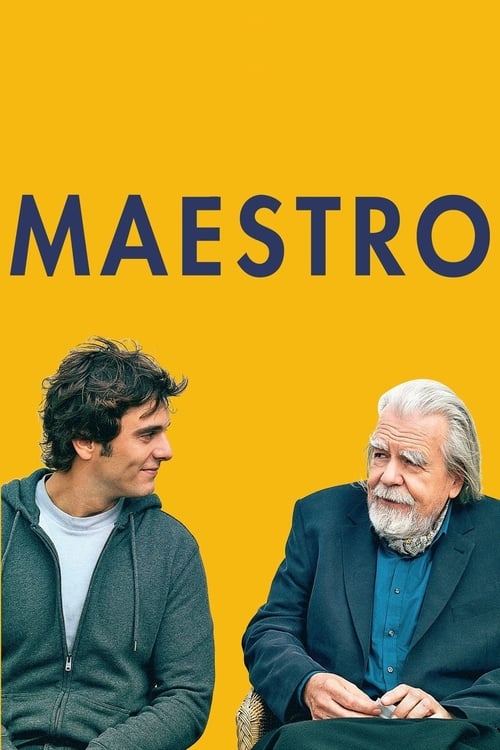
Maestro
2014
No user ratings available yet
Diversity score: 6.1 out of 10

2022
Director
Lise Akoka, Romane Gueret
Runtime
100 minutes
Average Rating
No ratings yetSynopsis
The story centres on a group of teenagers street cast in their neighbourhood and selected to play in a feature film during the summer. The film tells the story of this film shoot and of the connections that will be formed during it.
Overall Score
Good
Category Breakdown
LGBTQ+ Representation
The film explores adolescent discovery and communal bonding during a summer film shoot. While specific queer arcs are not explicitly detailed, the narrative framework allows for nuanced identity exploration.
Gender Representation
By centering adolescent agency on a professional set, the film subverts traditional adult-centric hierarchies. The focus on social connections suggests a departure from rigid, traditional gender roles.
Racial & Ethnic Diversity
Street casting within specific neighborhoods ensures the cast reflects actual demographic complexity. This approach prioritizes authentic community representation over homogeneous casting norms.
Religious & Cultural Diversity
The story centers the lived experiences of marginalized youth rather than established societal norms. It critiques the distance between mainstream media and overlooked communities.
Disability Representation
There is no evidence of characters with visible or invisible disabilities within the narrative context.
Strengths
Areas for Improvement
AI Analysis
The film distinguishes itself through a structural commitment to authenticity. By utilizing street casting, the production bypasses traditional industry gatekeeping to mirror the actual demographic complexity of its urban setting. While the narrative provides a strong foundation for racial and cultural representation, specific details regarding LGBTQ+ and disability representation remain less defined. The film's strength lies in its grassroots methodology and its focus on adolescent agency. Ultimately, the work succeeds by centering marginalized voices and exploring identity through lived experience rather than relying on curated industry tropes.
2014

2017

2004

2018
2017

2023

2022
2023

2016

2007

2017

2016
No reviews yet. Be the first to share your thoughts on this movie!
Use the rating form above to leave a star rating and optional review.