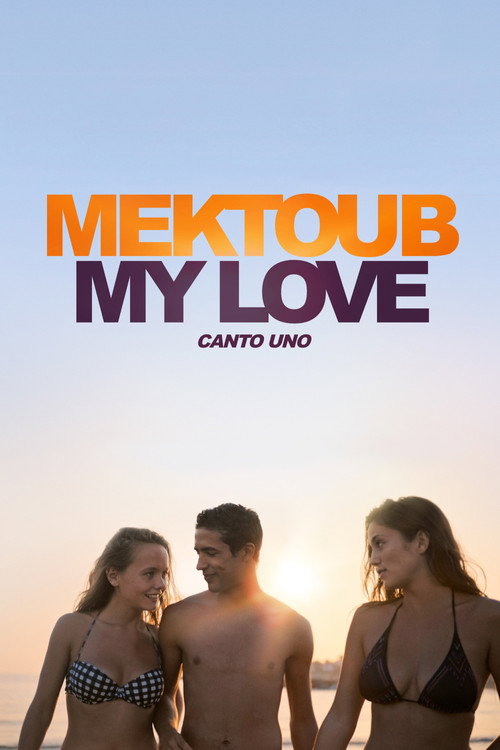
Mektoub, My Love: Canto Uno
2018
No user ratings available yet
Representation score: 6.0 out of 10

Representation Score
Fair
2003
Director
Abdellatif Kechiche
Runtime
124 minutes
Average Rating
No ratings yetNew Showbiz Analysis
Abdellatif Kechiche’s work stands out for its commitment to centering North African identities and the lived experiences of underrepresented populations. By focusing on the Maghrebi diaspora in the housing projects of Paris, the film provides a vital, non-sanitized look at post-colonial reality and social exclusion. While the film is a powerhouse of racial and cultural authenticity, it remains limited by its adherence to traditional romantic clichés. The narrative structure is built around a heterosexual central relationship, leaving little room for LGBTQ+ exploration. Ultimately, the film succeeds as a multi-layered piece of storytelling. It uses the setting not just as a backdrop, but as a tool to critique Western socioeconomic structures and the complexities of immigrant identity.
Category Breakdown
The story focuses almost entirely on heterosexual romance between Krimo and Lydia. There is no significant presence of LGBTQ narratives or non-binary gender identities within the main character arcs.
Female characters like Lydia have notable emotional ability to act and intellectual presence. While the film portrays the social constraints on young men, it does not actively seek to challenge traditional masculinity.
The film excels by centering a predominantly Maghrebi cast within the Parisian banlieues. This authentic representation disrupts the white, middle-class dominance often found in French cinema.
The narrative explores the tension between traditional immigrant customs and secular French youth culture. It offers a sophisticated critique of systemic inequality and social exclusion.
There is no prominent depiction of physical or neurodivergent disabilities that impact the narrative arc.
Present on Screen
Limited or Absent
Official Synopsis
A group of teenagers living in a housing project in the outskirts of Paris rehearse a scene from Marivaux's play of the same name. Krimo is determined not to take part, but after developing feelings for Lydia, he quickly assumes the main role and love interest in the play.
2018

2005
2014

2003
1996
2009
2000
1994
No reviews yet. Be the first to share your thoughts on this movie!
Use the rating form above to leave a star rating and optional review.