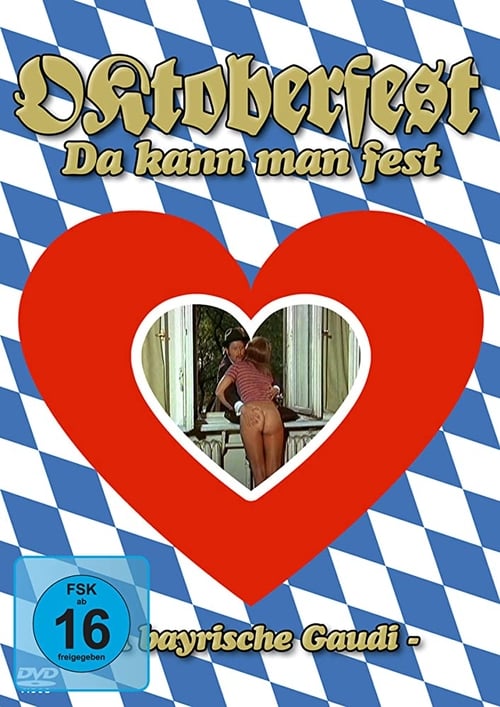
Oktoberfest! Da kann man fest...
1974
No user ratings available yet
Representation score: 0.4 out of 10
Representation Score
Limited
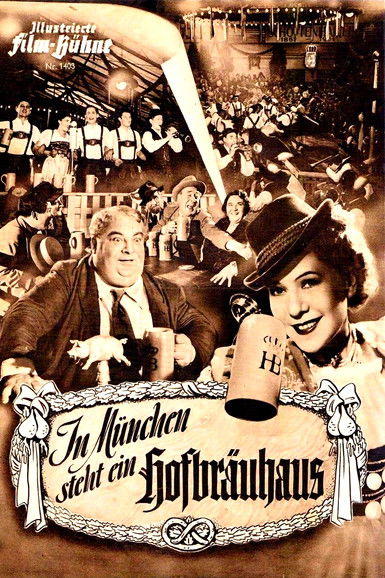
1951
GDirector
Siegfried Breuer
Runtime
106 minutes
Average Rating
No ratings yetNew Showbiz Analysis
This comedy centers on the cultural tension between Berlin and Munich during Oktoberfest. The plot revolves around a lemonade producer's efforts to market products in Bavaria, highlighting regional competition rather than social critique. The film reflects the homogeneous social landscape of the early Federal Republic of Germany, relying on established comedic conventions that prioritize regional charm and traditional social structures. Ultimately, the work celebrates a specific period of German identity, focusing on the lighthearted clash between urban and rural lifestyles without addressing broader diversity or inclusivity.
Category Breakdown
The film adheres to the assumption that everyone is straight or cisgender, with no representation of non-traditional gender identities or critiques of conventional social structures.
Women in the film, such as Fita Benkhoff, play roles that are often limited to decorative or domestic duties due to the era's comedic conventions. their ability to act in driving the story is not clearly demonstrated.
The movie highlights German regionalism, focusing on Bavarian and Berlin traditions. The cast reflects the homogeneous population of 1951 West Germany, with no representation of different ethnicities.
The film emphasizes regional customs and the Oktoberfest tradition, reinforcing local social cohesion without exploring broader ideological or secular critiques.
There is no depiction of characters with visible or invisible disabilities. Themes related to disabilities were rarely explored in comedies of this era.
Present on Screen
Limited or Absent
Official Synopsis
Berlin tongue encounters Munich lifestyle. A comedy around Oktoberfest. Movies, FRG, 1951 Fita Benkhoff, Paul Kemp, Liesl Karlstadt, etc. A Berlin producer of nerve healing, vitamin-enriched and expanding its life-prolonging lemonade stand in front of all the Schottenhammel at the Oktoberfest on - under the slogan helps Berlin Munich: an intolerable provocation. And then come the Saxons ... Turbulent comedy about beer, Oktoberfest and a lot of originals from Germany!
1974
1985
1964
1967
1961
2006
1961
2012
No reviews yet. Be the first to share your thoughts on this movie!
Use the rating form above to leave a star rating and optional review.