
Like Mother, Like Daughter
2007
No user ratings available yet
Representation score: 3.5 out of 10
Representation Score
Limited
1997
Director
Christopher Leitch
Runtime
92 minutes
Average Rating
No ratings yetNew Showbiz Analysis
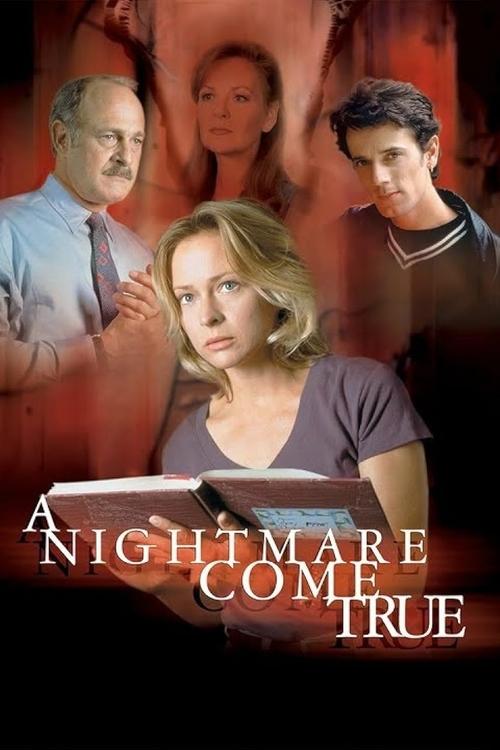
A Nightmare Come True is a conventional 1997 mystery that prioritizes solving a personal mystery over critiquing social or systemic issues. The narrative structure follows standard television formulas of the era, focusing on a personal puzzle rather than complex identity politics. While the film provides a female protagonist with professional control, it remains tied to traditional gendered archetypes. The lack of visible diversity in race, culture, and LGBTQ+ identity suggests a production that adheres to the demographic norms of its time. Ultimately, the film functions as a typical genre piece. It lacks the intentionality needed to challenge social hierarchies or provide nuanced, multi-layered representation.
Category Breakdown
The film does not include explicit LGBTQ+ characters or narratives that question the assumption that everyone is straight. The plot centers around a missing mother, a cliché focused on traditional family structures.
A female nurse serves as the protagonist, playing a significant role in driving the story professionally. However, the story relies on traditional feminine archetypes of caregiving and family loss.
There is no indication of a diverse cast within the provided context. The production likely adheres to the homogeneous casting norms common in 1997 television movies.
The mystery follows a conventional path of solving a personal enigma. It lacks themes that challenge Western institutions or established social and moral orders.
The protagonist's eerie dreams might suggest neurodivergence, but it is unclear if this is portrayed with real control over the story. There is insufficient evidence to assign a score.
Present on Screen
Limited or Absent
Official Synopsis
Eerie dreams that haunt a young nurse heighten the mystery surrounding her mother's sudden disappearance.
2007

2015
1996

1999

1996
1993

2018
1997
No reviews yet. Be the first to share your thoughts on this movie!
Use the rating form above to leave a star rating and optional review.