Piece of land
2000
No user ratings available yet
Representation score: 5.7 out of 10
Representation Score
Good
2002
Director
Tomáš Doruška, Pavel Göbl, Bohdan Sláma
Runtime
92 minutes
Average Rating
No ratings yetNew Showbiz Analysis
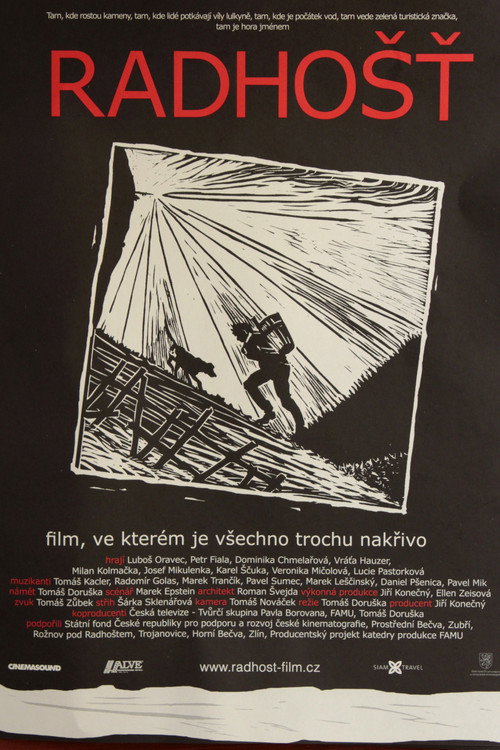
Radhošť functions as a poetic anthology that prioritizes humanistic realism over mainstream, polished formulas. By focusing on uncommon environments and underrepresented heroes, the film disrupts conventional narrative structures and celebrates the idiosyncratic individual. While the film excels at subverting traditional 'hero' archetypes, it lacks explicit demographic visibility. The storytelling leans toward localized, humanistic exploration rather than globalized perspectives that reflect multiple aspects of diversity or specific identity groups. Ultimately, the work finds its strength in the margins. It favors a nuanced look at the human condition through social realism, even if it does not explicitly address diverse racial or queer identities.
Category Breakdown
The film shows potential for depicting non-traditional identities through its focus on uncommon heroes. However, there is no explicit mention of queer identities or critiques of the assumption that everyone is straight or cisgender.
The anthology structure allows for varied explorations of gender by breaking down traditional domestic hierarchies. The narrative focuses on unvarnished realities rather than idealized gender roles.
The cast likely reflects the regional Czech demographic of the early 2000s. There is no evidence of significant racial blending or non-white actors used to disrupt historical norms.
The film challenges traditional institutional narratives by focusing on subjective morality and the margins of society. It finds value in the unique rather than social stability.
The interest in uncommon heroes suggests a narrative inclination toward characters existing outside the societal norm. This may include portraying neurodivergence or physical idiosyncrasies as central experiences.
Present on Screen
Limited or Absent
Official Synopsis
Three stories ; The Garden of Eden, The Open Country of a Lonely Man, Riedgost ; introduce the youngest generation of Czech filmmakers. They are linked through the similarity of their story-telling poetic and their interest in uncommon environments and heroes. The filmmakers' results confirm the saying that what we long for most is often sitting right in front of our eyes.
2000
1997
2005
2010

2009
2016
2021
2006
No reviews yet. Be the first to share your thoughts on this movie!
Use the rating form above to leave a star rating and optional review.