Stagecoach Buckaroo
1942
No user ratings available yet
Representation score: 1.4 out of 10
Representation Score
Minimal
1937
PassedDirector
Noel M. Smith
Runtime
55 minutes
Average Rating
No ratings yetNew Showbiz Analysis
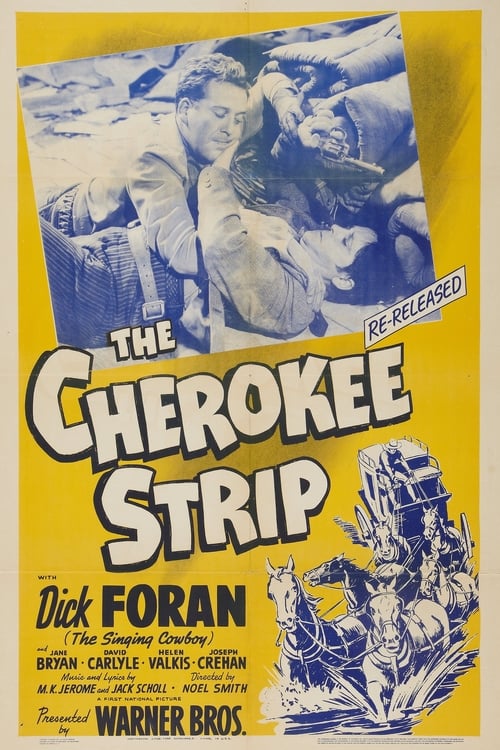
The Cherokee Strip is a conventional 1930s B-Western that adheres strictly to the genre clichés of its era. The narrative structure prioritizes Eurocentric expansion and traditional gender hierarchies, offering little room for multi-layered complexity. While the film introduces themes of corruption and legal conflict, these elements serve to reinforce existing social orders rather than challenge them. The focus remains on the establishment of civic institutions through a white, male-centric lens. Ultimately, the film functions as a standard period piece that reflects the era's preoccupation with frontier justice and traditional morality, lacking intentional subversion of social structures.
Category Breakdown
The film does not include any LGBTQ+ characters or representations of non-straight relationships. It focuses on traditional family structures and land rushes.
Jane Bryan plays a significant role, but the main plot revolves around a male singing lawyer. Female characters are mostly portrayed as romantic interests or figures needing protection.
The story centers on Eurocentric settlement during the Oklahoma land rush. Despite referencing the Cherokee Strip, the narrative highlights white homesteaders as the primary historical actors.
The film explores political and business corruption, adding some moral complexity. However, it ultimately reinforces traditional Western institutions and the sanctity of private property.
There is no mention of characters with visible or invisible disabilities. Disability is not used as a narrative device in the film.
Present on Screen
Limited or Absent
Official Synopsis
A singing lawyer and other homesteaders participate in the Oklahoma land rush and found the town of Big Rock, but the fast-growing frontier settlement quickly becomes embroiled in political and business corruption. Director Noel Smith's 1937 western stars Dick Foran, Jane Bryan, Tommy Bupp, Ed Cobb, Frank Faylen, Tom Brower and Milton Kibbee.
1942
1940
1939
1939
1945

1980

1936
1935
No reviews yet. Be the first to share your thoughts on this movie!
Use the rating form above to leave a star rating and optional review.