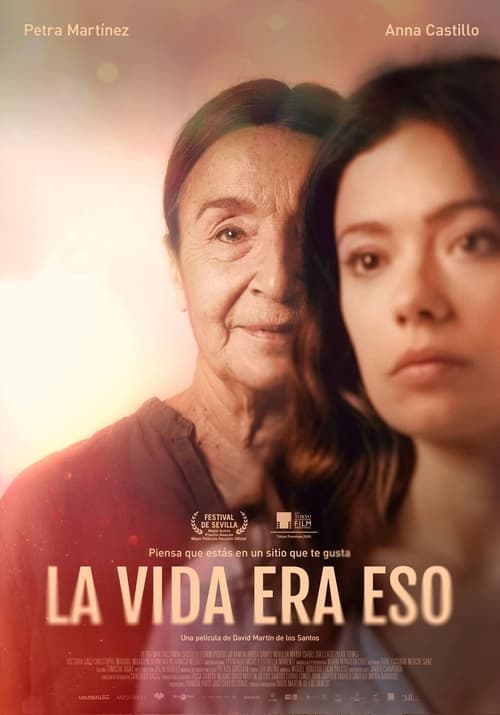
That Was Life
2020
No user ratings available yet
Representation score: 8.9 out of 10
Representation Score
Fair
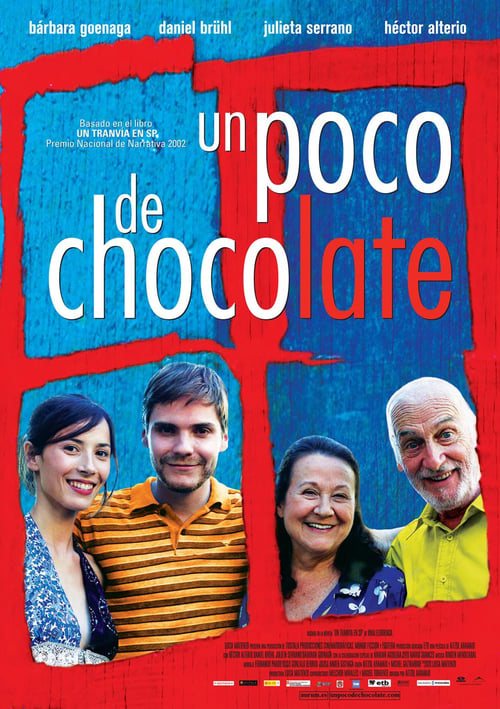
2008
Director
Aitzol Aramaio
Runtime
0 minutes
Average Rating
No ratings yetNew Showbiz Analysis
A Tram in SP is a character-driven drama that emphasizes atmospheric storytelling over direct demographic representation. It excels in exploring the margins of society, such as the homeless street performer Marcos and the elderly siblings Lucas and Maria. While the film avoids a homogenized, Anglo-centric viewpoint by setting itself in the Basque Country, it lacks explicit markers of diverse identities. The narrative focuses more on existential themes and the subjective nature of memory than on clear representation of various identities. Overall, the film offers a nuanced look at social displacement and regional heritage, even if it remains silent on specific LGBTQ+ or disability-related storylines.
Category Breakdown
The film does not show explicit representations of LGBTQ+ identities or same-sex relationships. It mentions past loves but does not confirm any specific queer identities.
The film balances male and female protagonists. Roma, a nurse and artist, demonstrates professional and creative independence beyond traditional feminine roles.
The story is set in the Basque Country, highlighting local identity. It avoids a homogeneous perspective by focusing on specific ethnic heritage and local history.
The narrative explores existential themes and social displacement. It centers on individuals who are underrepresented in terms of stability and security.
The film touches on the challenges of aging and physical decline. However, it does not include characters with specific physical disabilities or neurodivergence.
Present on Screen
Limited or Absent
Official Synopsis
In a small town in the Basque country, Lucas and Maria are an elderly brother and sister. They share a house with their memories and the ghosts of the people they have loved throughout their lifes. They know that sooner or later they will buy their ticket for their final journey. Marcos and Roma are young and alone. She's a nurse and paints windows that embellish the views from her room. Marcos is a street performer with no home of his own, clinging to his accordion and a pile of questions. They don't know that sooner or later they will all set out on a journey together.
2020
2015

2007

1998

2008

2010
2009

2018
No reviews yet. Be the first to share your thoughts on this movie!
Use the rating form above to leave a star rating and optional review.