
Ishtar
1987
No user ratings available yet
Representation score: 4.2 out of 10

Representation Score
Minimal
1985
PGDirector
John Landis
Runtime
102 minutes
Average Rating
No ratings yetNew Showbiz Analysis
Spies Like Us is a classic product of its era, emphasizing slapstick humor and absurd situations over social commentary. The story structure relies on traditional hierarchies, where male incompetence is the main driver of comedy. While the film uses a Cold War backdrop to mock international institutions, it does so through a limited lens. The lack of complexity in representing various identities and the reliance on conventional formulas reinforce existing social norms rather than challenge them. Overall, the film is a genre-specific comedy that leans heavily on situational humor and does not significantly address diverse or underrepresented viewpoints.
Category Breakdown
There are no LGBTQ+ characters or narratives in the film. Romantic subplots follow typical heterosexual storylines common in mid-80s comedies.
Female characters play minor roles or serve as romantic interests. They do not have enough influence to drive the main plot, reinforcing traditional gender roles.
The cast is mostly made up of white actors, reflecting the casting practices of the time. The story focuses on American and Soviet bureaucracies from a Western perspective.
The film parodies American and Soviet institutions during the Cold War era through situational humor. It mocks their incompetence without addressing broader societal issues.
There are no significant portrayals of physical or neurodivergent disabilities that play a key role in the story.
Present on Screen
Limited or Absent
Official Synopsis
Two bumbling government employees think they are U.S. spies, only to discover that they are actually decoys for nuclear war.
1987
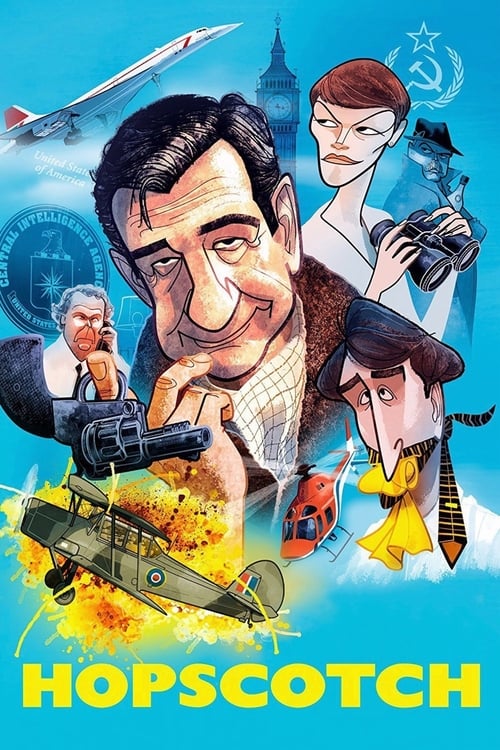
1980

2006
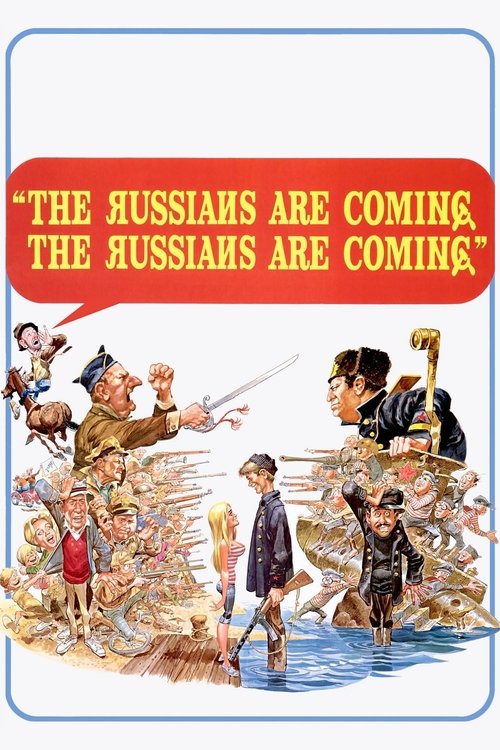
1966
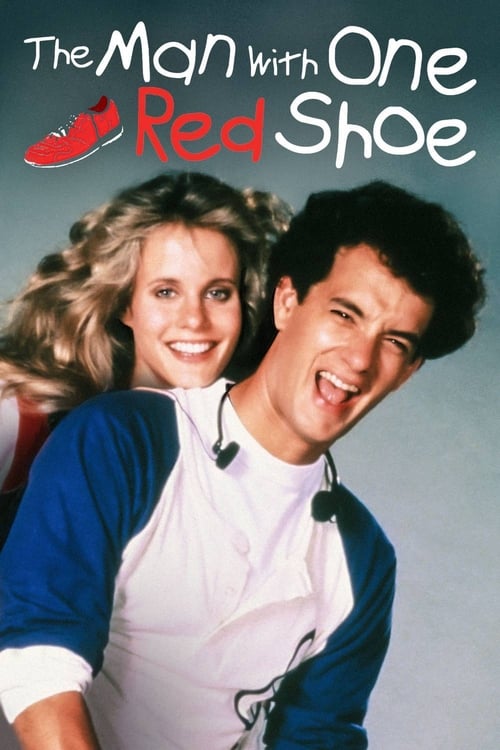
1985
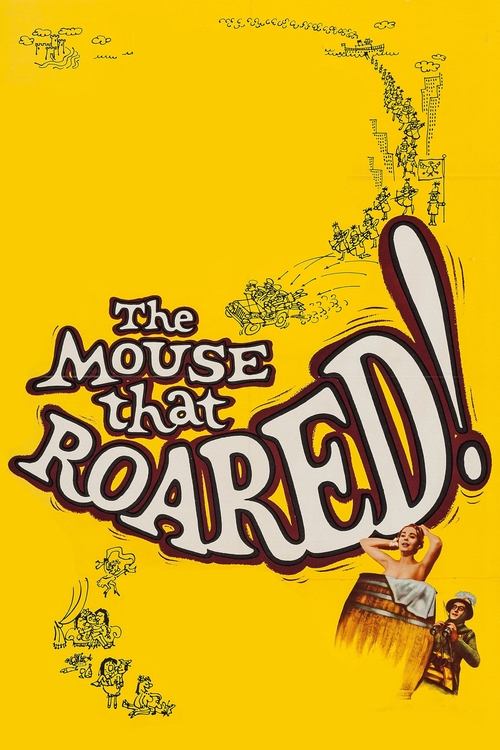
1959
1995
1970
No reviews yet. Be the first to share your thoughts on this movie!
Use the rating form above to leave a star rating and optional review.