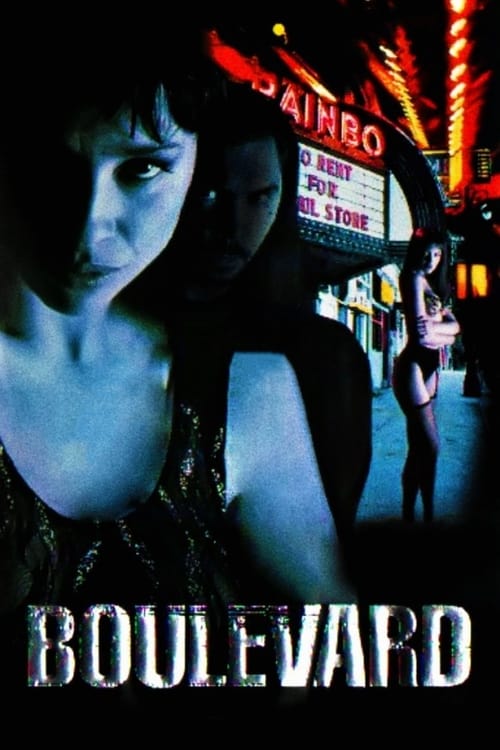
Boulevard
1994
No user ratings available yet
Representation score: 6.5 out of 10

Representation Score
Good
1992
Director
Johnny Wang Lung-Wei
Runtime
97 minutes
Average Rating
No ratings yetNew Showbiz Analysis
Escape from Brothel centers underrepresented voices by focusing on sex workers navigating a dangerous urban ecosystem. It avoids moralistic clichés, instead presenting a gritty, systemic view of survival that challenges conventional social hierarchies. While the film excels in cultural authenticity and gender ability to act, it lacks diversity in terms of LGBTQ+ representation and disability. The narrative remains focused on a specific, straight-centered social struggle. Ultimately, the film serves as a compelling study of social periphery, providing a non-Western perspective that disrupts sanitized depictions of crime and morality.
Category Breakdown
The film does not include any explicit LGBTQ+ characters or representations of non-straight identities. The story focuses on interpersonal relationships within a specific social setting without addressing diverse sexual orientations.
Female protagonists Hung and Ann play key roles in driving the narrative through their involvement in a dangerous criminal environment. The film challenges traditional passive portrayals of women by showing them as active participants.
The story provides a Hong Kong-centric perspective that challenges Anglo-centric cinematic norms. It explores the socioeconomic realities of the Chinese diaspora and highlights the ability to act of characters of color.
The narrative critiques traditional social structures and the sanctity of family through a secular lens. It portrays systemic failures rather than personal moral failings as the cause of hardship.
There are no characters with visible or invisible disabilities mentioned in the narrative. No representation of disabilities is present in the available plot details.
Present on Screen
Limited or Absent
Official Synopsis
Hung and Ann are down-on-their luck prostitutes trapped in Hong Kong. Pauline's boyfriend, Sam, back in China, who is under the impression that she is away working at a factory, is double-crossed by Billy Chow, and while looking to escape, flees for Hong Kong and winds up at the Brothel where Pauline is employed. He is crushed when he finds out the truth, but by this point, everyone involved on all sides is too deeply involved to turn back.
1994

1973

1983

1988
2001
2000
1989

1992
No reviews yet. Be the first to share your thoughts on this movie!
Use the rating form above to leave a star rating and optional review.