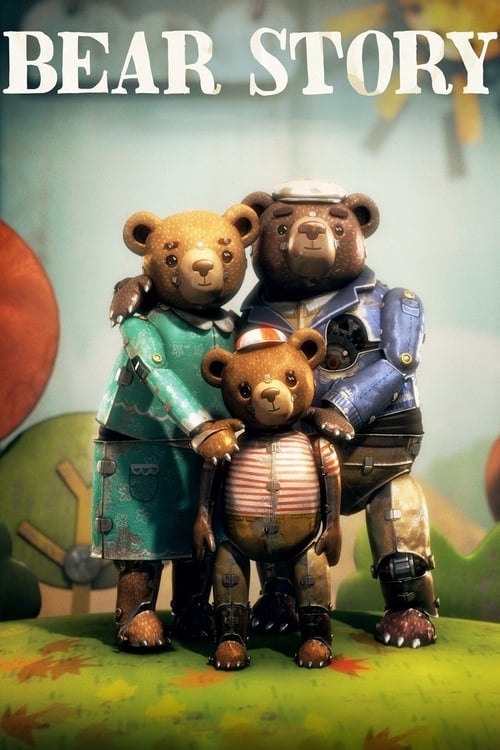
Bear Story
2016
No user ratings available yet
Representation score: 4.3 out of 10
Representation Score
Good
2001
Director
Luis Eduardo Aute
Runtime
90 minutes
Average Rating
No ratings yetNew Showbiz Analysis
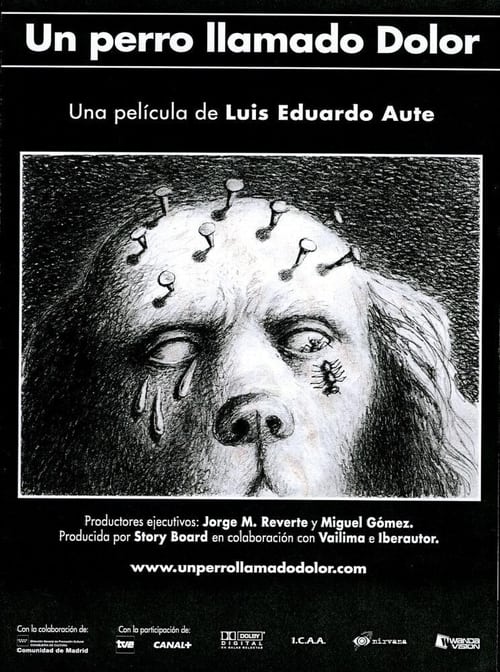
A Dog Named Pain is a sophisticated, character-centric study of the human condition. It uses a unique animated medium to prioritize subjective experience and the complexities of the individual psyche over mainstream narrative clichés. The film's strength lies in its disruption of traditional storytelling. By focusing on eccentric artists and their models, it deconstructs social roles and favors emotional vulnerability. However, the work lacks high-visibility markers of demographic diversity. It operates within a specific cultural framework and lacks explicit evidence of multi-ethnic or overt LGBTQ+ political messaging.
Category Breakdown
The film explores internal emotional landscapes and non-traditional relationships. While specific LGBTQ characters are not explicitly detailed, the focus on eccentric artists suggests a departure from assumptions that everyone is straight or cisgender.
By centering on the relationship between artists and models, the film disrupts traditional gender hierarchies. It favors psychological depth and emotional vulnerability over rigid, conventional masculine archetypes.
The production focuses on a specific Spanish artistic milieu. It appears to operate within a localized cultural framework without prioritizing multi-ethnic or globalized casting.
The narrative prioritizes individual truth and existential struggle over institutional morality. This postmodern approach deconstructs traditional certainties in favor of psychological complexity.
Thematic preoccupations with pain and loss suggest an engagement with invisible disabilities like mental health. Characters exercise ability to act over their internal experiences through an artistic lens.
Present on Screen
Limited or Absent
Official Synopsis
Accomplished singer/songwriter Luis Eduardo Aute combined more than 4,000 of his own drawings with state-of-the-art digital animation techniques for his unique animated movie that explores the relationships between several eccentric artists and their models , through seven black-and-white animated portraits.
2016

2022
2006

2002
2010
1991

1997
2000
No reviews yet. Be the first to share your thoughts on this movie!
Use the rating form above to leave a star rating and optional review.