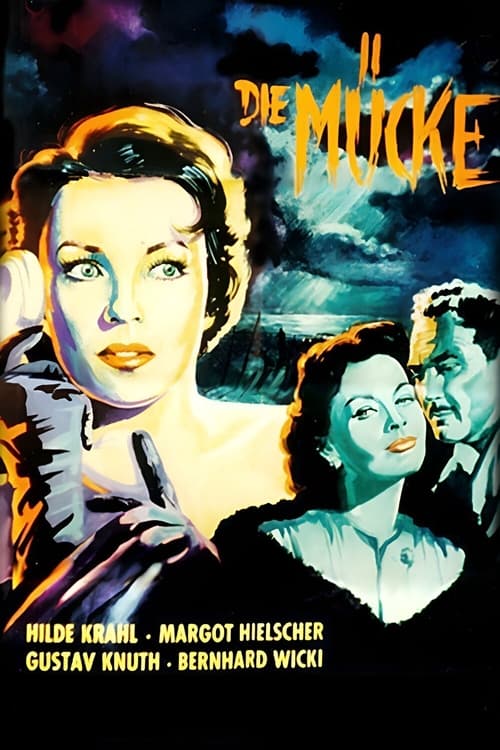
The Mosquito
1954
No user ratings available yet
Representation score: 2.0 out of 10
Representation Score
Fair
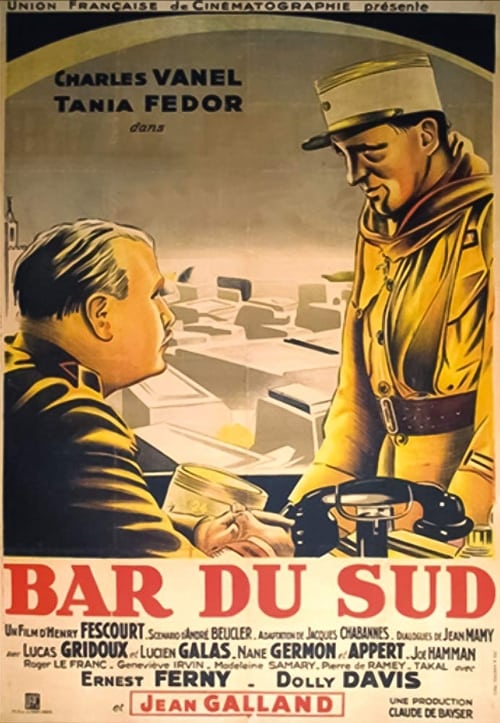
1938
UDirector
Henri Fescourt
Runtime
91 minutes
Average Rating
No ratings yetNew Showbiz Analysis
Southern Bar is a period drama that uses a colonial backdrop to explore the moral decay of the European elite. While it lacks modern multi-layered breadth, it provides a nuanced look at how individual ability to act can clash with corrupt systemic power. The film's strength lies in its subversion of patriarchal control. By allowing the female lead to reject her husband's influence, the story moves beyond simple domestic clichés into a more complex moral landscape. However, the film remains limited by its era's perspective. The focus on Western characters in an African setting suggests a narrative centered on European geopolitics rather than a diverse, multi-perspective exploration of the region.
Category Breakdown
The film does not include explicit LGBTQ+ characters or non-straight relationships. The plot revolves around a traditional love triangle involving a husband, wife, and a male officer.
The Baroness avoids the typical submissive wife stereotype by gaining a significant role through her interactions with Captain Olivier. She transitions from a passive pawn to an informed participant in a high-stakes moral conflict.
Set in Africa, the film explores colonial-era power dynamics. However, the narrative focuses mainly on European protagonists navigating foreign territories.
The story critiques Western institutional integrity by depicting a businessman as a corrupt weapons dealer. It challenges the stability of traditional capitalist and patriarchal structures.
There is no mention of characters dealing with physical or neurodivergent disabilities in the narrative.
Present on Screen
Limited or Absent
Official Synopsis
Baron Arnold, a businessman, takes his young wife to Africa where he instructs her to seduce Captain Olivier, an intelligence officer. But Olivier illuminates the baroness on the unsavory activities of her husband as a weapons dealer and entrepreneur of revolutions.
1954
1922
1938
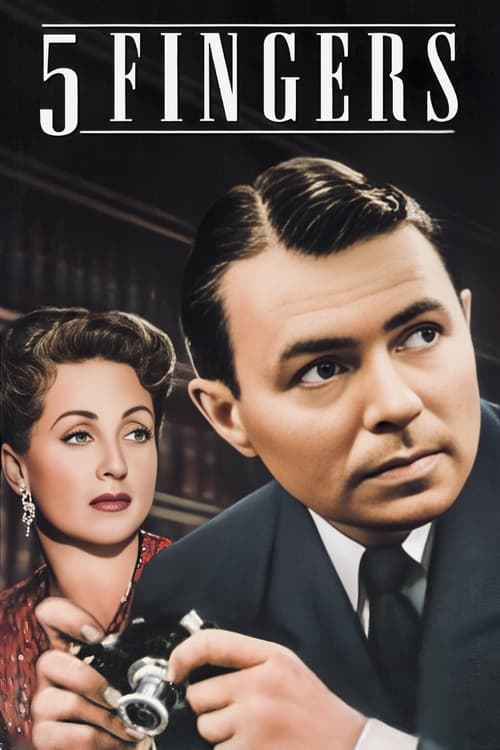
1952
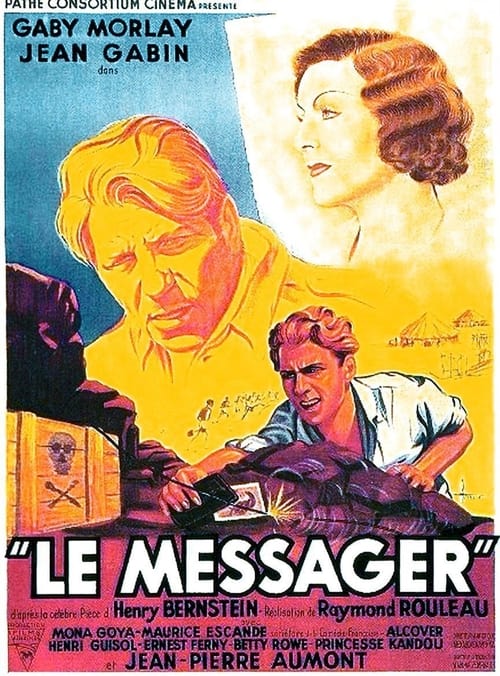
1937
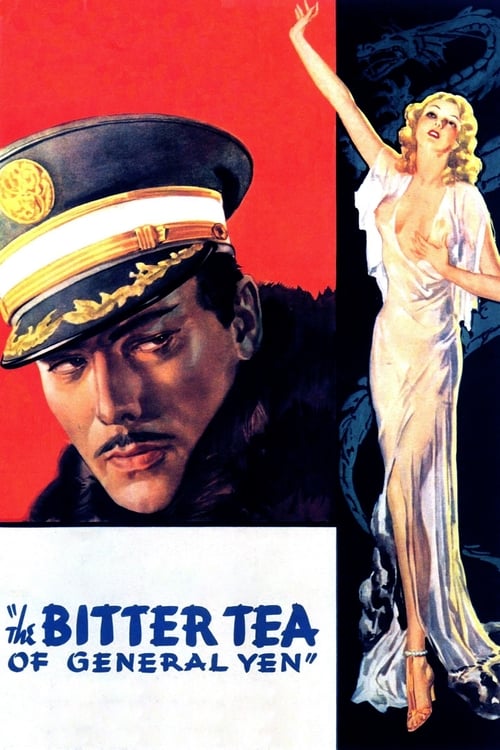
1932
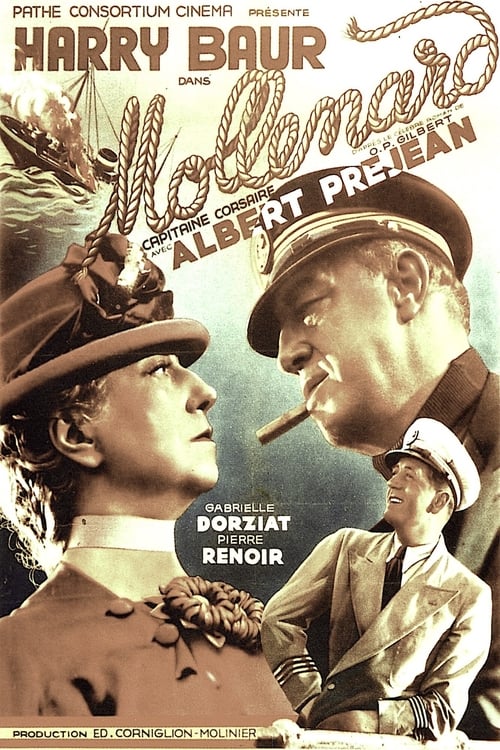
1938
1938
No reviews yet. Be the first to share your thoughts on this movie!
Use the rating form above to leave a star rating and optional review.