Hallelujah
1997
No user ratings available yet
Representation score: 7.1 out of 10
Representation Score
Good
1987
Director
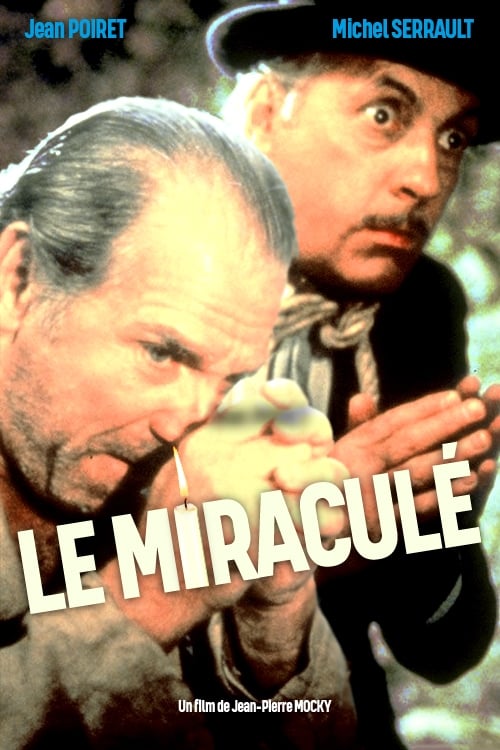
Jean-Pierre Mocky
Runtime
88 minutes
Average Rating
No ratings yetNew Showbiz Analysis
Miracle Healing is a cynical social satire that prioritizes moral relativism over demographic diversity. The story centers on a deceptive scam, using a protagonist's anti-social behavior to critique economic necessity and institutional integrity. While the film lacks significant representation regarding race, gender, or LGBTQ+ identity, it succeeds in cultural subversion. It deconstructs traditional hierarchies by presenting a hero who operates outside conventional ethical boundaries. Ultimately, the film's strength lies in its narrative structure rather than its inclusive casting, focusing on the subversion of social structures through a transgressive comedic lens.
Category Breakdown
The film does not include any explicit LGBTQ+ characters or stories that challenge traditional heterosexual relationships. The plot revolves around a scam involving a peddler and an investigator.
The tension in the story is driven by a traditional conflict between a male protagonist and a male antagonist. There is no indication of non-traditional gender roles.
As a French film from 1987, it likely reflects the demographics of its time. There is no evidence of a diverse cast or actors being cast in roles that differ from their backgrounds.
The film challenges traditional morality by presenting deception as a survival mechanism. It portrays social institutions with a skeptical eye rather than upholding traditional virtues.
A fake injury serves as a central plot device to explore deception. However, the film does not offer meaningful representation of the lived experiences of people with disabilities.
Present on Screen
Limited or Absent
Official Synopsis
Faking an injury for insurance money, a peddler seeks out a cure to support his claims while a suspicious investigator tries to expose the scam.
1997
1997

1977
1983

2017
2012

1987

1960
No reviews yet. Be the first to share your thoughts on this movie!
Use the rating form above to leave a star rating and optional review.