
Polish Wedding
1998
No user ratings available yet
Diversity score: 4.7 out of 10
2015
Director
Kinga Dębska
Runtime
88 minutes
Average Rating
No ratings yetSynopsis
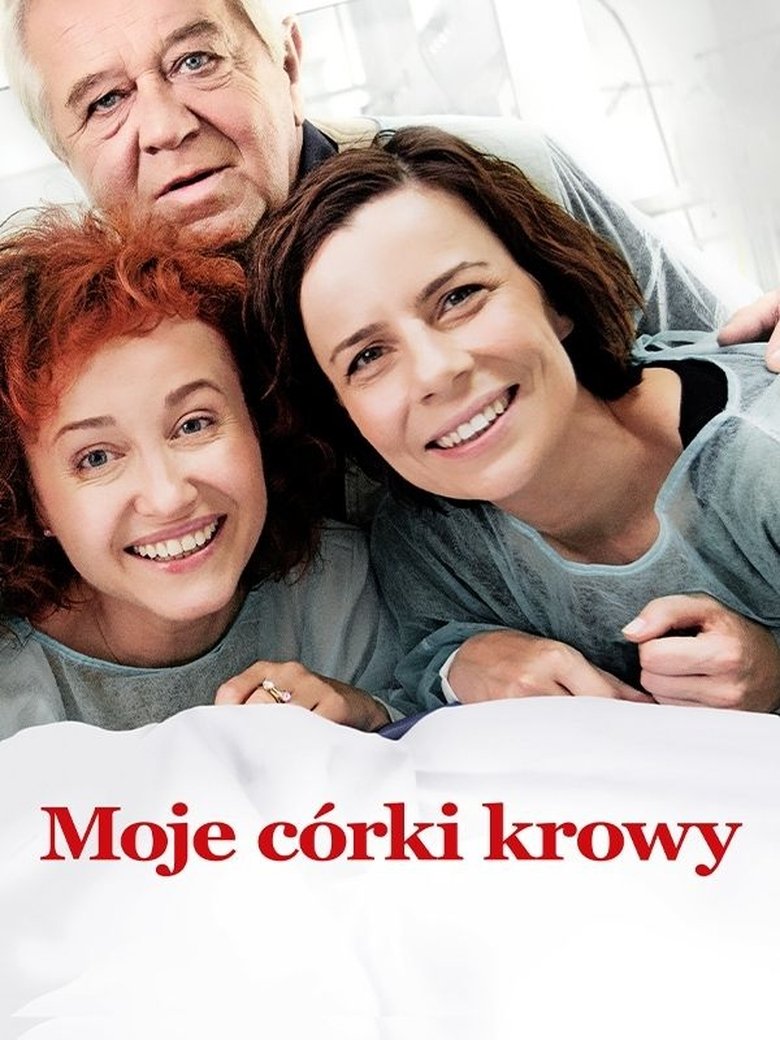
A 40-year old actress (single and strong, yet lonely), her sister (an emotionally unstable schoolteacher whose married-with-kids life appears more orderly) and their domineering father, who gradually loses control over his family due to his wife's sudden illness and his own health troubles; these are the three individuals at the heart of this film, a touching story about the strength of family ties in a situation of imminent danger.
Overall Score
Fair
Category Breakdown
LGBTQ+ Representation
The film focuses on heteronormative familial structures and biological motherhood. There is no presence of same-sex intimacy or non-cisnormative identities within the central character arcs.
Gender Representation
The narrative centers on female agency and emotional labor, positioning the sisters as the primary drivers of the story. This shifts power away from the declining patriarchal authority of the father.
Racial & Ethnic Diversity
Reflecting its Polish setting, the film maintains demographic homogeneity. The casting adheres to the mono-ethnic reality of the historical and geographical context.
Religious & Cultural Diversity
The story offers a sophisticated critique of institutional authority and situational ethics. It explores how systemic pressures and restrictive social landscapes impact the individual well-being of the family unit.
Disability Representation
Physical and mental health issues, such as the father's declining health and the sister's instability, drive the plot. However, these function as narrative catalysts rather than explorations of independent identity.
Strengths
Areas for Improvement
AI Analysis
These Daughters of Mine is a character-driven drama that finds its strength in subverting traditional patriarchal structures. By centering the emotional momentum on the female protagonists, the film deconstructs the authority of the domineering father figure. It excels at portraying the friction between private morality and public institutions. However, the film is limited by its narrow demographic scope. The narrative operates within a strictly heteronormative and mono-ethnic framework, offering little room for LGBTQ+ or racial intersectionality. While this reflects the historical Polish context, it results in a lack of diverse representation. Ultimately, the film is a nuanced study of family ties and systemic pressure. It trades broad social diversity for a deep, psychological exploration of gendered agency and the burdens of caretaking during a crisis.
1998
2000

2014

2017
2018
2003
2015
2013
2011

2010

2018

2009
No reviews yet. Be the first to share your thoughts on this movie!
Use the rating form above to leave a star rating and optional review.