Sweet 15
1990
No user ratings available yet
Representation score: 4.1 out of 10
Representation Score
Good
2017
Not RatedDirector
Lynsey Miller
Runtime
87 minutes
Average Rating
No ratings yetNew Showbiz Analysis
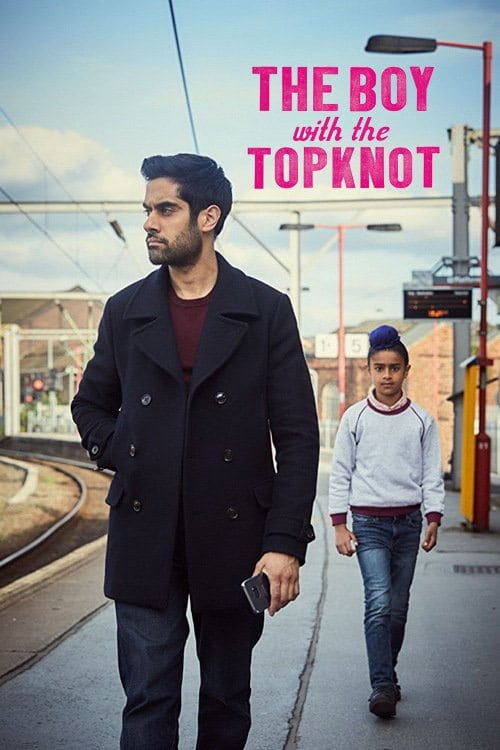
The Boy with the Topknot offers a layered exploration of intersecting identities, particularly the tensions between immigrant heritage and personal autonomy. It goes beyond surface-level representation by grounding the South Asian experience in academic and geographic transitions. The film successfully empowers its Punjabi protagonist by highlighting the conflict between traditional arranged marriage expectations and individual freedom. It effectively captures the complexities of the diaspora through a lens of class and educational mobility. However, the film's handling of LGBTQ+ themes remains somewhat ambiguous, leaving the nature of the protagonist's rebellion undefined. Additionally, the absence of any representation of physical or neurodivergent disabilities limits the inclusivity of its storytelling.
Category Breakdown
The film hints at queer themes through the protagonist's resistance to an arranged marriage, suggesting a possible subtext that challenges traditional heterosexual expectations.
The story challenges traditional gender roles by focusing on a protagonist who defies societal expectations. This character's journey emphasizes individual empowerment over communal norms, offering a fresh perspective on household hierarchies.
The film presents a nuanced depiction of the British-Indian diaspora, following a Punjabi protagonist from Wolverhampton to Cambridge. It avoids simplistic stereotypes and instead delves into issues of class and integration.
The movie examines the tension between traditional cultural practices and individual freedom by revealing a family secret. This exploration highlights the conflict between heritage and personal autonomy.
The film does not include any portrayal of physical or neurodivergent disabilities.
Present on Screen
Limited or Absent
Official Synopsis
Born to traditional Punjabi parents and growing up in Wolverhampton, Sathnam Sanghera moves to London after graduating from Cambridge University. Now in his late 20s he is planning to reveal to his family that he will defy expectations of an arranged marriage - but instead learns a painful family secret.
1990

2017
2015

2004

2017

2010
2010

2008
No reviews yet. Be the first to share your thoughts on this movie!
Use the rating form above to leave a star rating and optional review.