
Nothing to Lose
1994
No user ratings available yet
Representation score: 1.4 out of 10

Representation Score
Limited
1983
RDirector
Bobby A. Suarez
Runtime
95 minutes
Average Rating
No ratings yetNew Showbiz Analysis
The film adheres to traditional action and crime genre conventions, emphasizing a masculine-coded narrative of individualist perseverance and vengeance. It prioritizes a focus on personal triumph over systemic social critique. While the protagonist's disability is a key part of his character development, the film remains tied to standard hero archetypes. The representation of women and racial diversity lacks depth or active roles. Ultimately, the work functions as a conventional revenge drama. It lacks the intentionality needed to challenge social hierarchies or offer complex, layered perspectives.
Category Breakdown
The film does not include any LGBTQ+ characters or non-cisgender identities. The central romantic relationship focuses on a traditional heterosexual couple, reinforcing a conventional perspective on relationships.
The story centers on a male protagonist driven by vengeance and martial arts. The female character serves as a passive victim rather than an active participant in the narrative.
The protagonist's surname, Ortega, suggests a Hispanic or Latino heritage. However, there is little information about the broader cast or the presence of diverse racial backgrounds.
The narrative follows a classic revenge structure centered on individual retribution. It lacks themes that critique systemic institutions or social power dynamics.
The protagonist lives with a physical disability after losing an arm. While this disability is central to his identity, the story may rely on the cliché of overcoming adversity through training.
Present on Screen
Limited or Absent
Official Synopsis
An Interpol agent is out for revenge against the gangsters that cut off his arm and killed his bride. This tragedy left him deeply depressed, and his battle with depression has to be won first before he can be thoroughly trained in martial arts. After his training, Ortega hunts down his adversaries for a final reckoning.
1994

1973
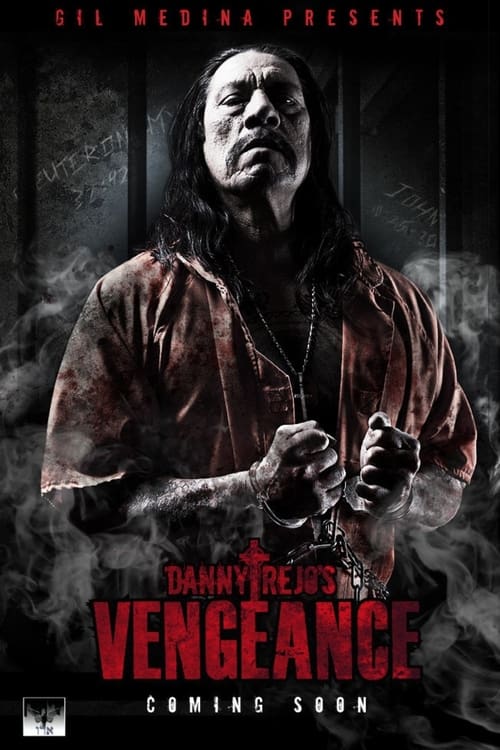
2006
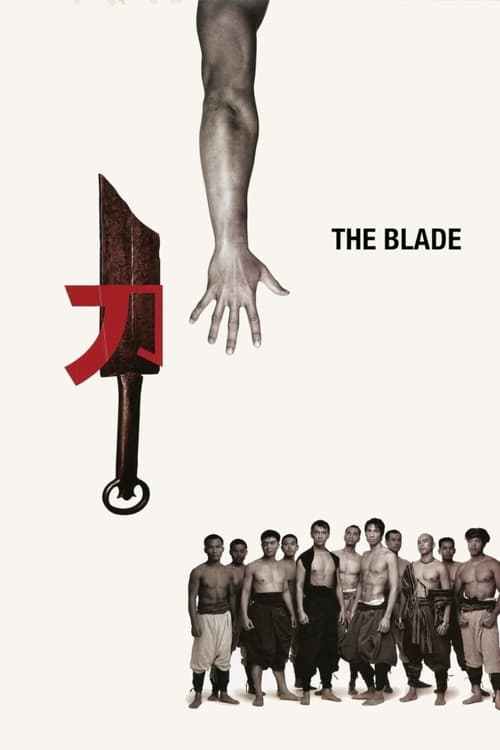
1995

2007
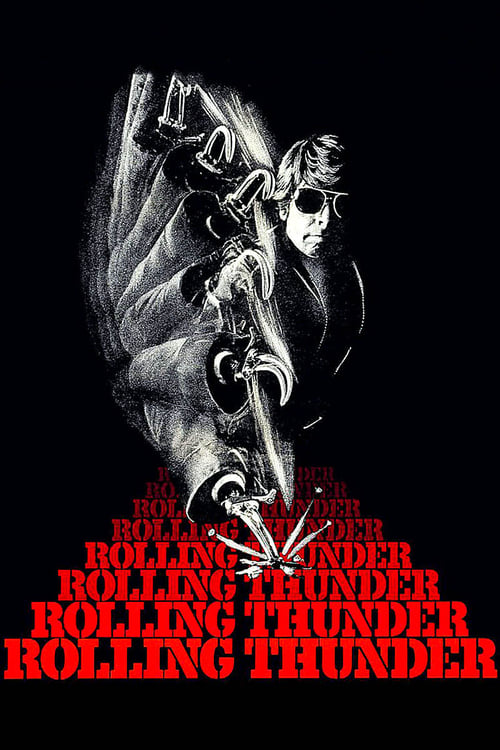
1977
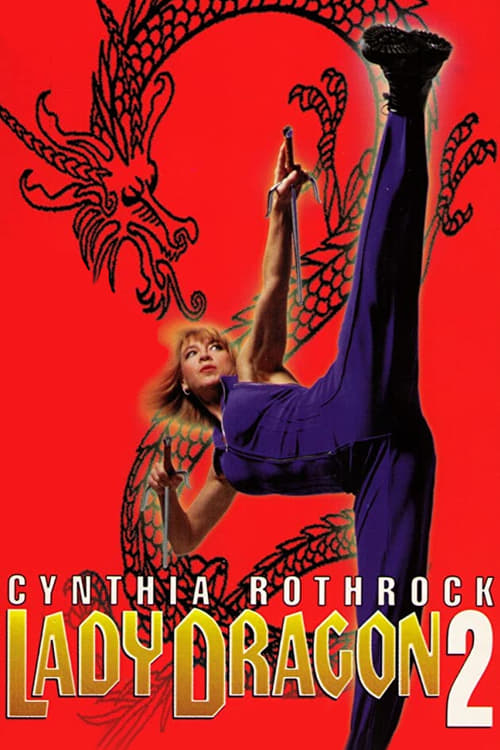
1993
1983
No reviews yet. Be the first to share your thoughts on this movie!
Use the rating form above to leave a star rating and optional review.