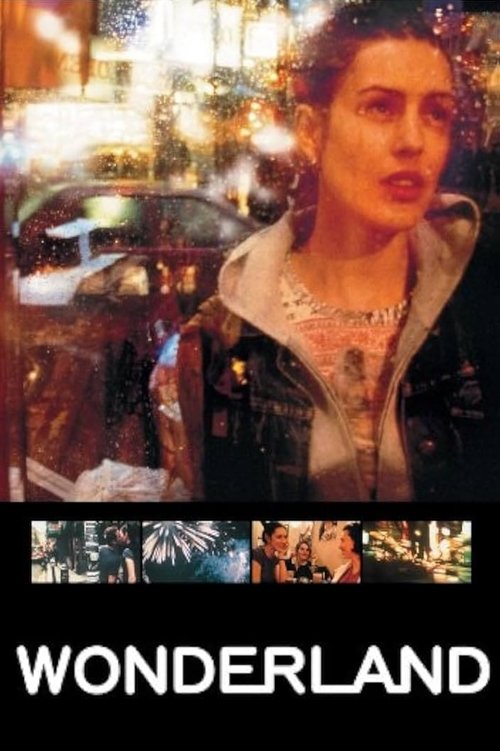
Wonderland
1999
No user ratings available yet
Representation score: 8.4 out of 10

Representation Score
Excellent
2002
RDirector
Rose Troche
Runtime
121 minutes
Average Rating
No ratings yetNew Showbiz Analysis
Rose Troche’s ensemble drama succeeds in breaking down traditional social structures by prioritizing queer identity and women's ability to drive the story. By focusing on the emotional lives of women and exploring non-traditional relationships, the film moves beyond conventional suburban narratives to offer a nuanced view of modern intimacy. While the film excels in its exploration of identity and moral relativism, it remains somewhat limited in its handling of disability and diversity. The portrayal of a medical crisis serves more as a narrative tool for character development than a deep examination of the lived experience of disability. Ultimately, the film is a sophisticated study of the fragmentation of the modern family. It avoids simplistic moral conclusions, opting instead to challenge the stability of Western institutions through a complex, character-driven lens.
Category Breakdown
The film challenges traditional expectations by focusing on queer identity and non-traditional relationships. It delves into the fluidity of desire and emotional intimacy rather than treating these themes as secondary elements.
The narrative emphasizes the internal emotional landscapes of its female protagonists and critiques traditional masculine hierarchies. It highlights how professional dedication can lead to domestic neglect.
A diverse cast reflects the complexity of modern urban life. However, the narrative focuses more on psychological and romantic intricacies than on explicit racial or ethnic diversity.
The film adopts a postmodern stance, favoring moral relativism over strict religious or institutional norms. It portrays the traditional nuclear family as a source of conflict rather than an ideal.
A comatose child serves as a significant plot element and emotional catalyst for the mother. However, the character lacks independent ability to act, limiting the depth of the disability representation.
Present on Screen
Limited or Absent
Official Synopsis
In a suburban landscape, the lives of several families interlace with loss, despair and personal crisis. Esther Gold has lost focus on all but caring for her comatose son, Paul, and neglects her daughter and husband. Lawyer Jim Train is devoted to his career, not his family. Helen Christianson wants to find a new spark in life, while Annette Jennings tries to rebuild hers.
1999
2000
2005

2001

1992

2001
2005
1997
No reviews yet. Be the first to share your thoughts on this movie!
Use the rating form above to leave a star rating and optional review.