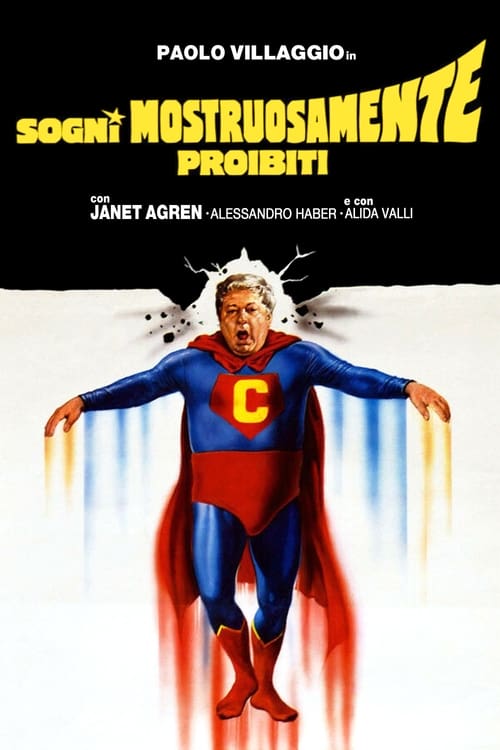
Forbidden Dreams
1982
No user ratings available yet
Representation score: 2.3 out of 10
Representation Score
Minimal
1955
Director
Gösta Bernhard
Runtime
70 minutes
Average Rating
No ratings yetNew Showbiz Analysis
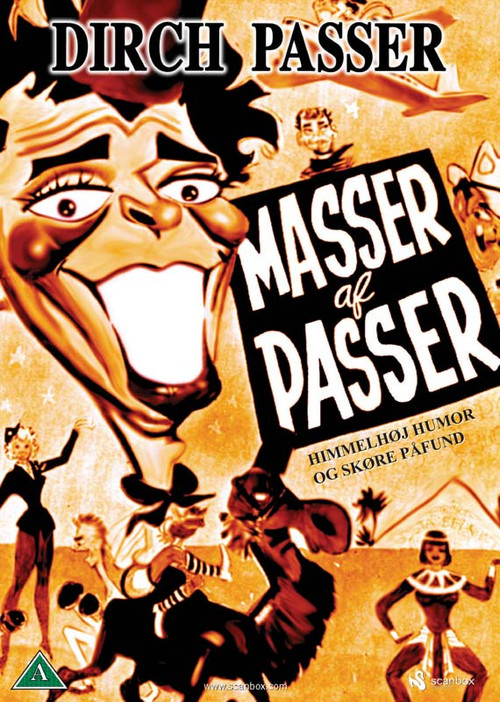
Masser af Passer is a mid-century comedy that adheres closely to the social and cinematic conventions of 1955. The narrative centers on a male protagonist's romantic aspirations and professional anxieties, utilizing archetypes that reinforce rather than challenge the era's demographic norms. The film lacks representation for LGBTQ+ identities and racial diversity, reflecting the homogeneous production standards of its time. While the protagonist's comedic vulnerability offers some character depth, the power dynamics remain traditional and centered on a heterosexual romantic goal.
Category Breakdown
The film follows a strictly heterosexual romantic pursuit. There is no evidence of non-binary gender identities or same-sex intimacy within the narrative.
The male protagonist drives the emotional arc through his pursuit of a female lead. Agneta serves primarily as an object of desire rather than an active agent.
The cast appears to reflect the homogeneous demographic standards of 1955 Europe. No evidence of diverse or non-Anglo-Saxon majority casting is present.
The story operates within a traditional Western framework focused on professional stability. It utilizes standard comedic clichés without critiquing Western social institutions.
The film provides no mention of characters navigating physical or neurodivergent conditions. No assessment of disability ability to act is possible.
Present on Screen
Limited or Absent
Official Synopsis
Dirch Passer does it again. In this incredibly funny Passer film, we meet Dirch as a member of the ground staff at SAS. Dirch has one small flaw: he is hopelessly in love with a stewardess and finds it very difficult not to dream about his crush while he is at work. Time and again, he dreams himself into various heroic roles in order to attract the attention of his beloved Agneta. We meet Dirch as a flight captain, archaeologist, gangster, sailor, prince, defense attorney, boxing champion, and soldier in the Wild West. These are all roles he immerses himself in through his daydreams. But when you dream, you usually wake up again, and so does Peter, and every time he finds himself in the most embarrassing situations. The question is whether Peter will ever succeed in getting his Agneta to see his side, and will she even notice that he dreams about her, and will he be able to keep his job at SAS?
1982
1976

1915

2011
1975
1948
1937
1960
No reviews yet. Be the first to share your thoughts on this movie!
Use the rating form above to leave a star rating and optional review.