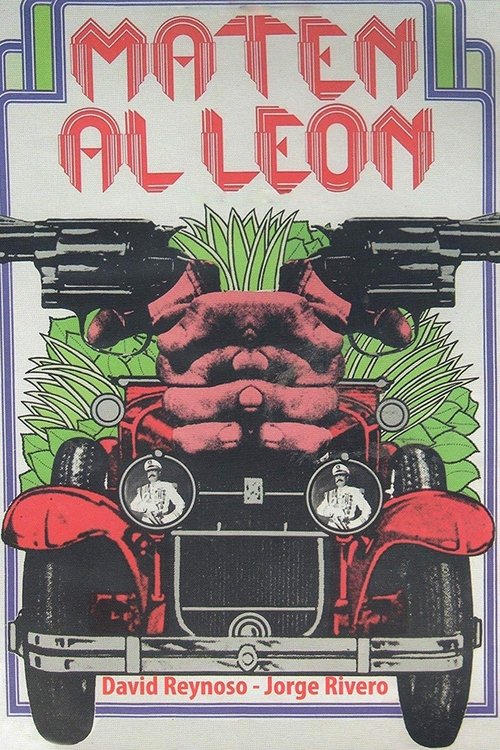
Maten al León
1977
No user ratings available yet
Representation score: 4.6 out of 10
Representation Score
Limited
1968
Director
José Giovanni
Runtime
105 minutes
Average Rating
No ratings yetNew Showbiz Analysis
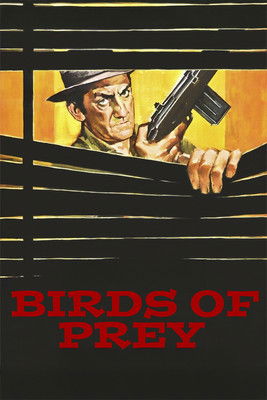
Birds of Prey (1968) is a crime drama that emphasizes traditional masculine archetypes and the struggle against fate and the law. While the film avoids strict moralism by highlighting the complexities of criminal life, it remains conventional in its portrayal of identity, reflecting the norms of 1960s French crime cinema. The film’s setting offers potential for ethnic complexity, but the narrative focuses primarily on Western perspectives and male-dominated power structures.
Category Breakdown
The film follows traditional gender roles of the 1960s and doesn't include non-binary identities or critiques of the assumption that everyone is straight or cisgender.
The story revolves around a patriarchal structure with a strong focus on male power and criminal activities.
Set in Central America, the film centers on a French protagonist and lacks significant representation of diverse racial backgrounds.
The film explores moral relativism typical of crime dramas by focusing on the subjective experiences of outlaws.
There is no discernible evidence regarding the portrayal of physical or neurodivergent disabilities within the film's character descriptions.
Present on Screen
Limited or Absent
Official Synopsis
1938, a Central America country. A Frenchman who goes by the name "Le Rital" is hired to take out the local dictator. Young Chico is assigned as his right-hand man, whom he impresses. Will a friendship form between them?
1977
1973
1963
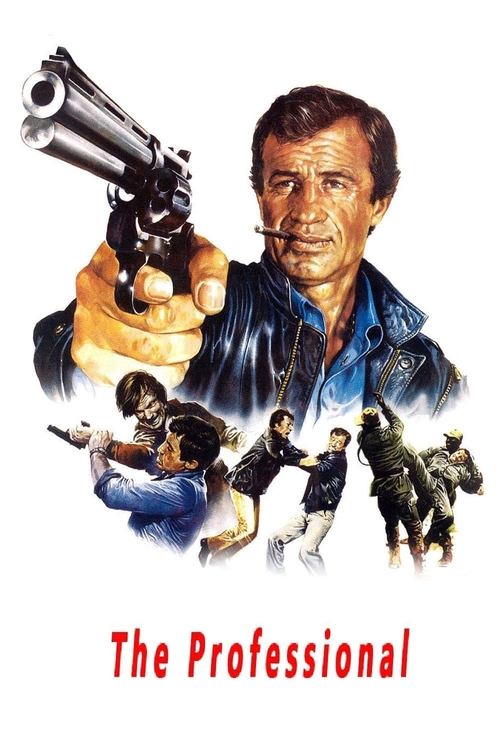
1981
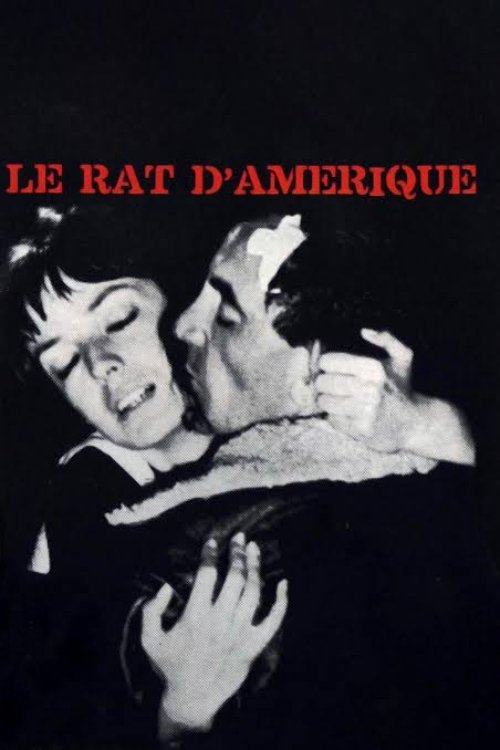
1963
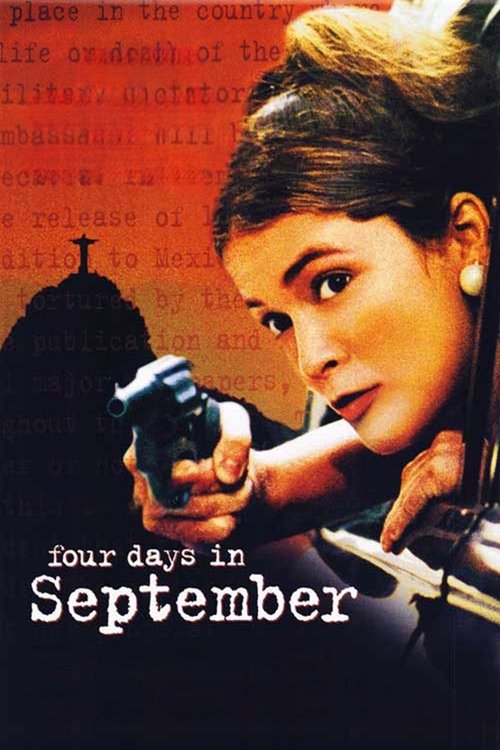
1997
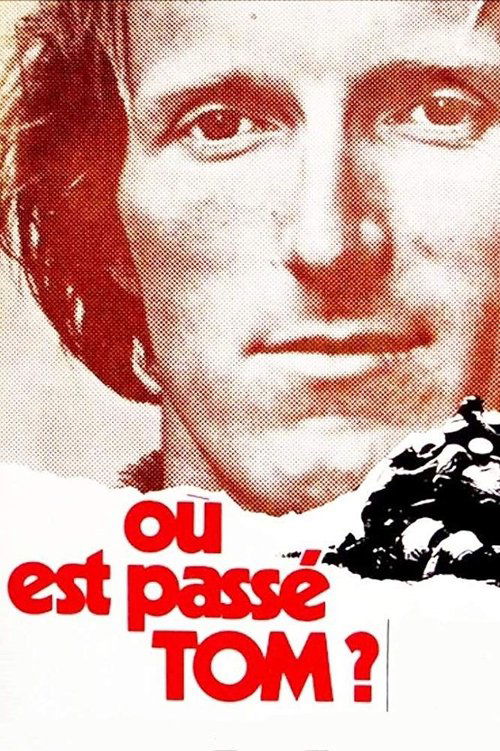
1971
1980
No reviews yet. Be the first to share your thoughts on this movie!
Use the rating form above to leave a star rating and optional review.