Turbo: A Power Rangers Movie
1997
No user ratings available yet
Representation score: 5.3 out of 10
Representation Score
Limited
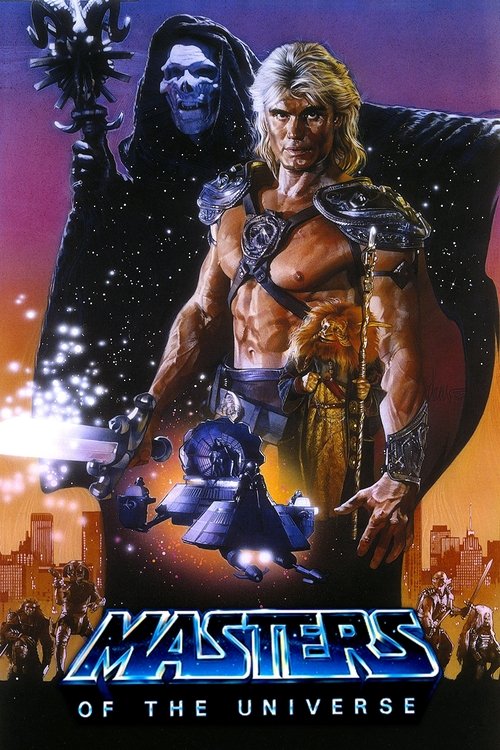
1987
PGDirector
Gary Goddard
Runtime
106 minutes
Average Rating
No ratings yetNew Showbiz Analysis
Masters of the Universe (1987) is a typical 1980s genre film that emphasizes classical heroism over social complexity. While it introduces a capable female warrior in Teela, the film remains anchored in traditional gender hierarchies and binary moral structures. The narrative leans on archetypes that favor idealized physical specimens, leaving little room for disability or diverse cultural critiques. Diversity is primarily expressed through non-human alien species rather than expanded human representation. Overall, the film operates as a standard fantasy adventure that upholds the status quo of its era without challenging it.
Category Breakdown
The film does not include any LGBTQ+ characters or explore non-straight relationships. The interpersonal dynamics focus on traditional heroic roles without any queer undertones.
Teela is portrayed as a strong warrior and central ally, challenging the damsel-in-distress cliché. However, leadership and control remain centered around He-Man's traditional masculinity.
Various alien species represent diversity within the science-fantasy world. Human characters mostly follow the casting norms of the 1980s.
The story adheres to a strict good-versus-evil moral binary. It upholds traditional authority and classic justice without questioning Western institutions.
None of the characters are defined by physical or neurodivergent disabilities. The cast includes idealized physical specimens typical of the action-adventure genre.
Present on Screen
Limited or Absent
Official Synopsis
When He-Man is driven from Eternia after Skeletor seizes Castle Grayskull, a stolen portal device strands the fight on Earth, where a pair of teenagers become entangled in a war that spans worlds.
1997

1984
2009
1974
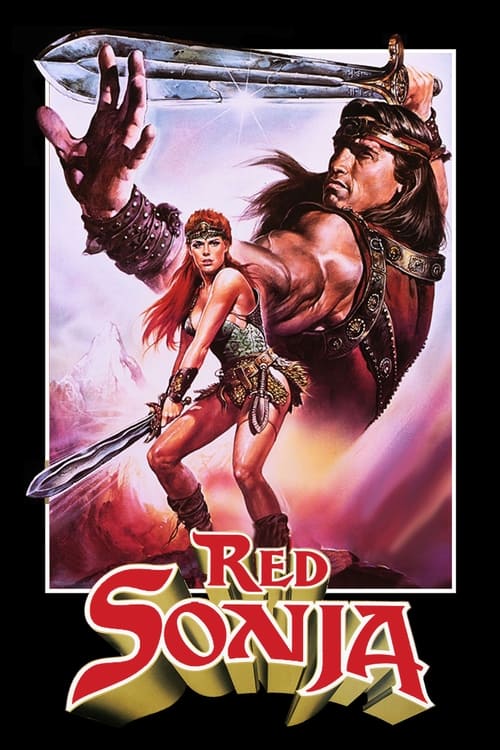
1985

1985

1983
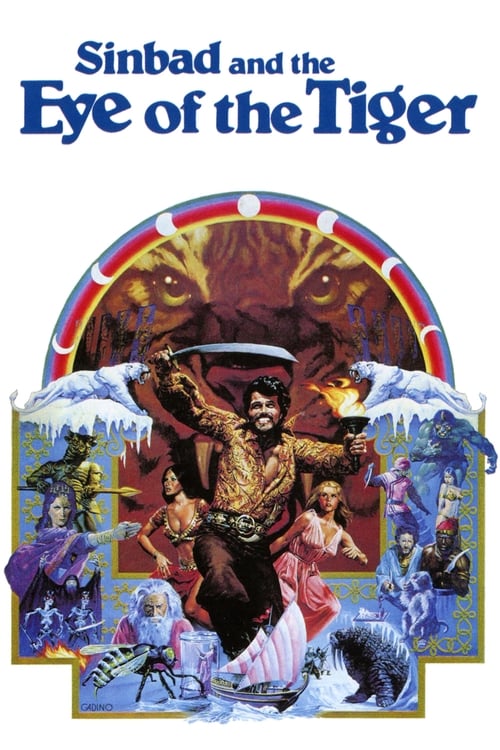
1977
No reviews yet. Be the first to share your thoughts on this movie!
Use the rating form above to leave a star rating and optional review.