
Re-Wind
1988
No user ratings available yet
Representation score: 4.5 out of 10
Representation Score
Limited
1999
Director
Daisuke Yamanouchi
Runtime
65 minutes
Average Rating
No ratings yetNew Showbiz Analysis
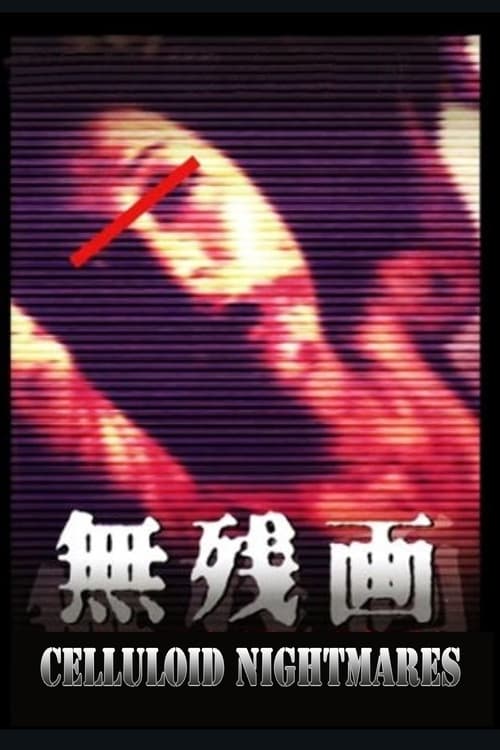
Celluloid Nightmares operates as a typical investigative horror film. While the female lead demonstrates professional ability to act, the narrative seems to follow conventional genre clichés rather than challenging social hierarchies. The film's setting is culturally specific to Japan, focusing on urban subcultures and the adult film industry. However, this specificity does not extend to broader multi-layered complexity or diverse representation. Ultimately, the work lacks documentation of LGBTQ+ visibility or disability representation, leaning towards the homogeneous social structures typical of late-90s genre cinema.
Category Breakdown
The film does not include any LGBTQ+ narratives or characters with non-straight identities. The story revolves around a missing actress but does not imply any LGBTQ+ themes.
A female reporter serves as the protagonist, taking a central role and showing professional ability to act. However, it is unclear if her position challenges traditional gender roles.
Set in Japan with a Japanese cast, the film offers cultural specificity. It lacks a multi-ethnic cast or characters reflecting multiple aspects of diversity.
The story explores Japanese subcultures like the adult film industry and video retail. It remains unclear if the film critiques these social realities or follows genre clichés.
There is no information regarding the inclusion of characters with visible or invisible disabilities.
Present on Screen
Limited or Absent
Official Synopsis
A female reporter is filming an investigation report about a missing porn actress in Japan. She hangs around in various video shops and interviews several people.
1988

2005

1988

2011

1999

1995

2000

2007
No reviews yet. Be the first to share your thoughts on this movie!
Use the rating form above to leave a star rating and optional review.