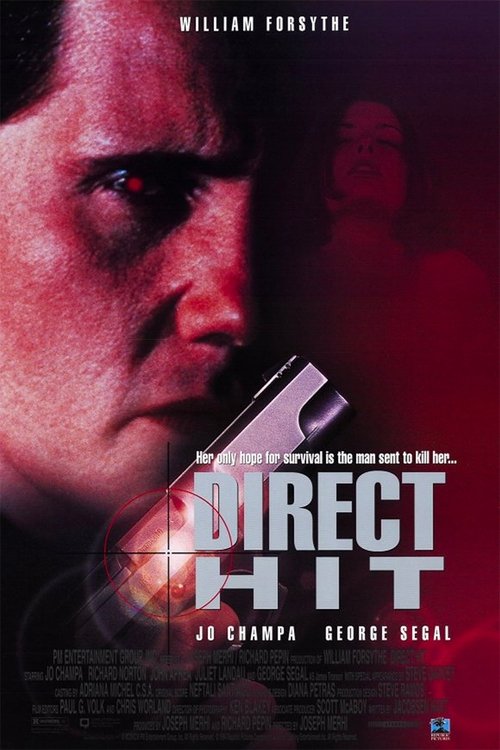
Direct Hit
1994
No user ratings available yet
Representation score: 1.4 out of 10
Representation Score
Fair
1999
RDirector
John Terlesky
Runtime
95 minutes
Average Rating
No ratings yetNew Showbiz Analysis
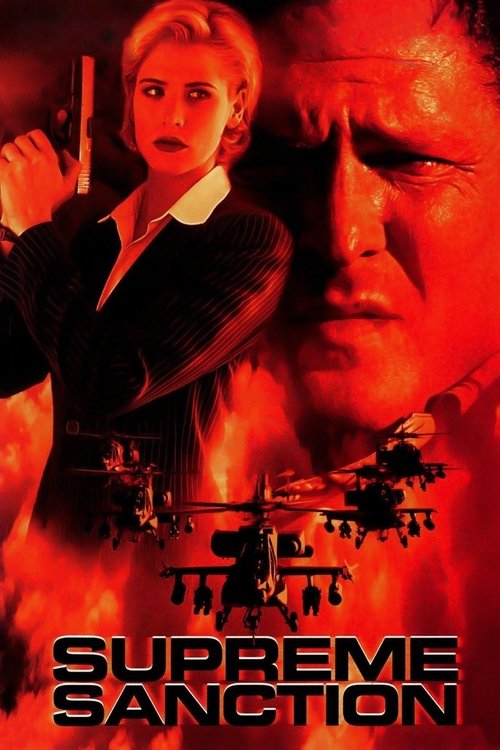
Supreme Sanction is a genre-driven thriller that finds its strength in character's ability to drive the story rather than social breadth. The film's most significant achievement is its subversion of gendered power dynamics, placing a highly skilled woman at the center of the conflict. However, the production remains anchored in the era's limitations. The cast and narrative structure lack significant racial or LGBTQ+ diversity, adhering to the homogeneous standards of 1990s action cinema. Ultimately, the film's score is bolstered by its thematic critique of institutional corruption. While it lacks multi-layered depth, it moves beyond simple heroism to explore moral relativism and systemic decay.
Category Breakdown
The film follows a traditional action-thriller framework. There is no evidence of LGBTQ+ identity or non-straight narratives within the story.
Kristy Swanson’s character provides a strong subversion of gender clichés. As an elite operative, she drives the plot through professional competence rather than acting as a passive bystander.
The ensemble appears to lean toward a homogeneous cast typical of late-90s American action films. There is no visible evidence of multi-ethnic representation or racial blending.
The narrative offers a skeptical view of state power and institutional integrity. It challenges Western authority by framing a government ability to act as a corrupt, disposable entity.
The film provides no evidence regarding the portrayal of physical or neurodivergent disabilities.
Present on Screen
Limited or Absent
Official Synopsis
An elite assassin for a covert Government agency is marked for death after aborting an assignment to take out a journalist who could expose the corruption of the very institution that trained her as their weapon of choice.
1994
1993
1996

1990
1996
2011

1994
2004
No reviews yet. Be the first to share your thoughts on this movie!
Use the rating form above to leave a star rating and optional review.