Devil Seed
2012
No user ratings available yet
Diversity score: 3.4 out of 10
2014
Director
Owen Tooth
Runtime
82 minutes
Average Rating
No ratings yetSynopsis
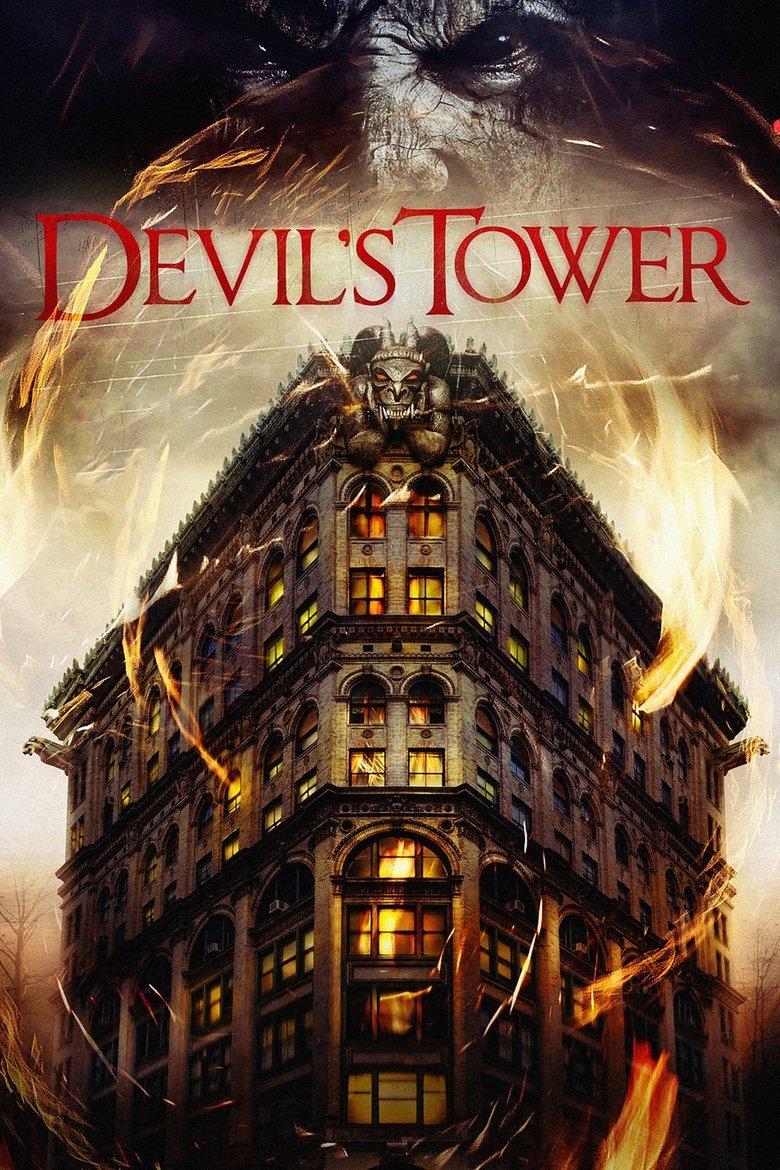
Abused, broke and down on her luck, Sarah is given a new shot at life when she moves into a new apartment. At first the apartment seems to have been the right choice for Sarah, she even meets some new friends including Sid (Jason Mewes). But before long tenants begin disappearing, when Sarah and Sid go looking for them, they discover an evil lurks, hell bent on not only taking over their building, but the city as well. As Sarah and Sid fight for survival, the bitter and vengeful ghost begins inhabiting the bodies of the tower’s tenants turning them to bloodthirsty zombies.
Overall Score
Limited
Category Breakdown
LGBTQ+ Representation
The film lacks explicit LGBTQ+ characters or narratives that critique heteronormativity. The story focuses on Sarah and her immediate social circle without any indication of queer themes.
Gender Representation
Sarah serves as a central protagonist navigating a survival crisis. While she shows agency, the narrative appears to follow the traditional 'final girl' trope common in horror.
Racial & Ethnic Diversity
The production leans toward traditional, non-diverse casting norms. There is no evidence of a non-Anglo-Saxon majority or diverse ethnic backgrounds among the tenants.
Religious & Cultural Diversity
The plot follows a conventional survivalist trajectory involving ghosts and zombies. It lacks critiques of Western institutions or explorations of moral relativism and cultural norms.
Disability Representation
There is no mention of characters with visible or invisible disabilities. The narrative does not address neurodivergence or chronic illnesses.
Strengths
Areas for Improvement
AI Analysis
Devil's Tower operates within the standard frameworks of independent horror, prioritizing survivalist tropes over sociopolitical commentary. The narrative structure relies on established genre conventions rather than intentional efforts to disrupt social hierarchies. The film lacks significant intersectional depth, focusing instead on a localized, potentially homogeneous social setting. While it provides a central female lead, the characterization aligns with traditional horror archetypes rather than systemic deconstruction. Ultimately, the production lacks the complexity required to integrate diverse identities or challenge existing societal norms, resulting in a conventional genre experience.
2012
2017

2004
2012
2016
2010
2012
2017
1993
2018
2011
2010
No reviews yet. Be the first to share your thoughts on this movie!
Use the rating form above to leave a star rating and optional review.