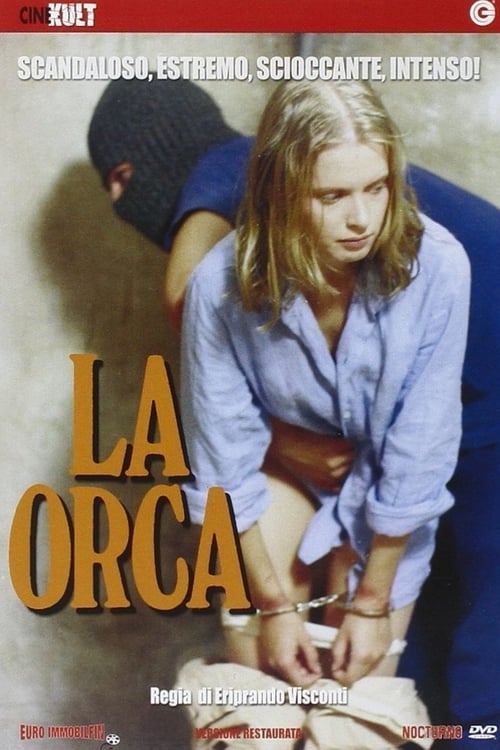
La Orca
1976
No user ratings available yet
Representation score: 2.0 out of 10

Representation Score
Minimal
1971
RDirector
Robert Aldrich
Runtime
128 minutes
Average Rating
No ratings yetNew Showbiz Analysis
The Grissom Gang is a traditional crime caper set in the 1930s, focusing on established outlaw archetypes. It emphasizes conventional gender roles and a homogeneous cast, reflecting the era’s limited diversity. The film touches on economic hardships through a standard genre lens, avoiding a deeper critique of institutional power. Ultimately, it reinforces the period’s social conventions through its characters and casting.
Category Breakdown
The film does not include any LGBTQ+ characters or non-straight identities. The romantic tension revolves around a traditional relationship between the gang leader and the heiress.
The story centers on an all-male criminal enterprise. Although the female lead is important, her role is mostly reactive to the male characters.
The cast is mainly white and uniform, reflecting the 1930s American Midwest setting. There are no characters of color to diversify the historical context.
The narrative examines the socioeconomic pressures of the Great Depression and life on the margins. However, it follows established outlaw clichés without critiquing the system.
There is no visible or documented representation of physical, sensory, or neurodivergent disabilities among the main characters.
Present on Screen
Limited or Absent
Official Synopsis
Violent crime caper set in 1930s Kansas in which a gang kidnap an heiress and attempt to recover a ransom. However, the scheme is jeopardised when the leader falls in love with their beautiful captive.
1976

1955
1961
1995
1971
1974
1977
1949
No reviews yet. Be the first to share your thoughts on this movie!
Use the rating form above to leave a star rating and optional review.