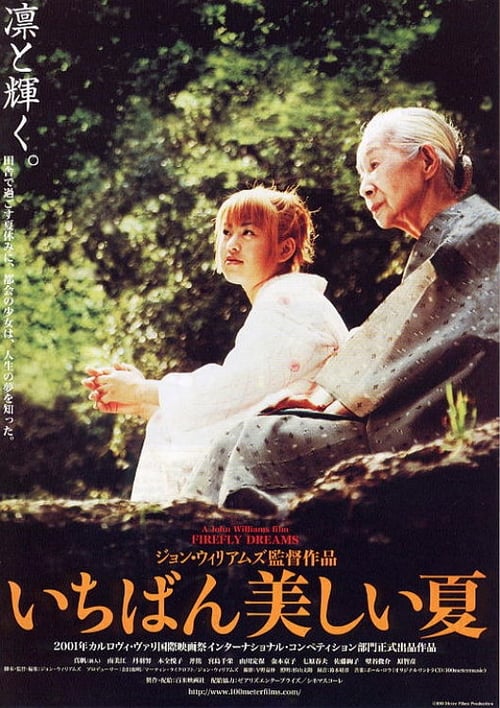
Firefly Dreams
2001
No user ratings available yet
Representation score: 7.7 out of 10
Representation Score
Good
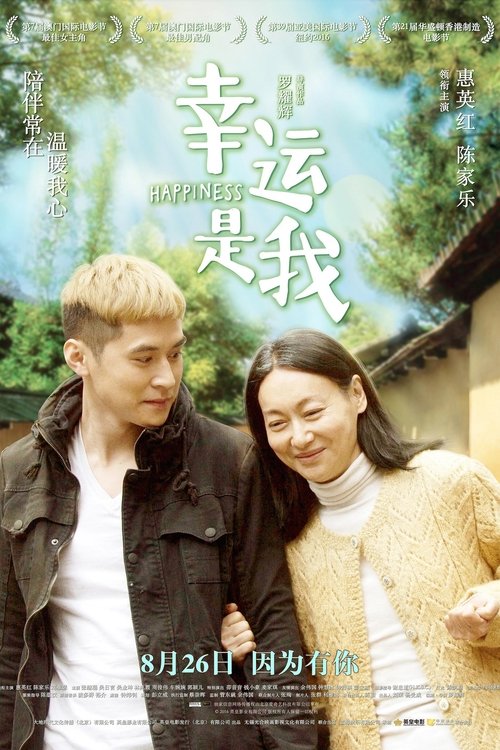
2016
Director
Law Yiu-Fai
Runtime
113 minutes
Average Rating
No ratings yetNew Showbiz Analysis
Happiness is a sophisticated character study that finds its strength in deconstructing conventional social structures. By replacing the patriarchal family model with a bond between two social outliers, the film offers a meaningful critique of traditional stability. The narrative excels when exploring the intersection of aging and chosen kinship. It avoids common clichés, particularly regarding disability, by treating cognitive decline with dignity and complexity rather than using it for cheap sentimentality. While the film lacks explicit representation of LGBTQ+ identities or ethnic variety, its focus on underrepresented social realities provides a refreshing departure from mainstream, formulaic storytelling.
Category Breakdown
The story focuses on platonic and familial bonds between a young man and an older woman, avoiding traditional nuclear family ideals by highlighting chosen kinship among social outsiders.
The film challenges traditional gender roles by emphasizing the emotional weight placed on women. Auntie Fen serves as a mentor, and the male protagonist gains maturity through his relationship with her.
The narrative offers an authentic portrayal of the Cantonese and Hong Kong experience. It prioritizes a non-Western perspective on abandonment and social isolation over Western-centric family drama clichés.
The film redefines the ideal family unit by portraying the biological father as a figure of abandonment. It suggests that family is defined by caretaking rather than bloodlines.
Alzheimer’s disease is portrayed with nuance rather than as a mere plot device. The narrative acknowledges the tragedy of cognitive decline while using it to foster profound human connections.
Present on Screen
Limited or Absent
Official Synopsis
After his mother's death, Chan Kai-yuk feels so alone that he leaves Guangzhou for Hong Kong to look up the father who abandoned him and his mom. But Yuk's hopes are dashed on finding his dad has a new family and considers him a burden. Alone and homeless, Yuk is taken in by Auntie Fen, a middle-aged recluse who leads a solitary existence. At first, their different habits and personalities lead to numerous squabbles, intensified by Yuk's self-centeredness and Fen's odd temperament. As time goes on, Yuk learns Fen is in the early stages of Alzheimer's. The discovery unexpectedly serves as a catalyst for the young man's growth as a caring friend. For the first time in her life, Fen feels truly blessed. But it is a situation rife with irony due to the nature of her disease and the accelerating elusiveness of feelings and memories.
2001
2012

2018

2010

2022

2018

2019

2020
No reviews yet. Be the first to share your thoughts on this movie!
Use the rating form above to leave a star rating and optional review.