Hellbinders
2009
No user ratings available yet
Representation score: 0.6 out of 10
Representation Score
Minimal
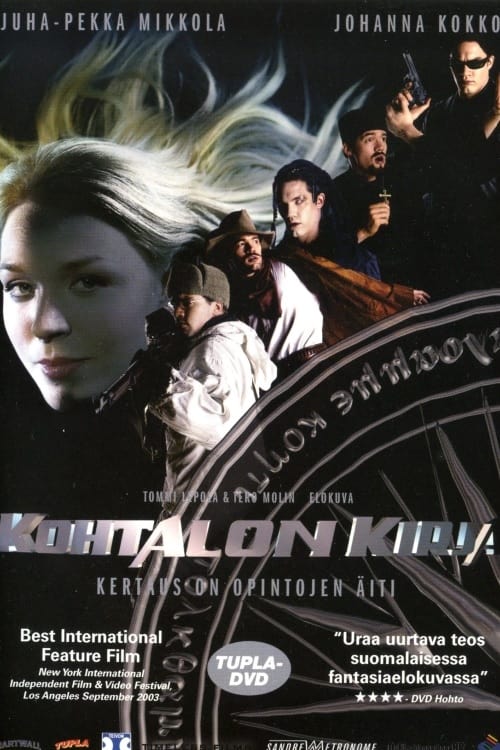
2003
Director
Tommi Lepola, Tero Molin
Runtime
85 minutes
Average Rating
No ratings yetNew Showbiz Analysis
The Book of Fate follows a classic mythic structure centered on a singular hero's journey. The narrative prioritizes elemental power and destiny over diverse representation or the disruption of social hierarchies. While the film explores a fatalistic spiritual framework through its elemental themes, it adheres to traditional genre conventions. The focus on a 'chosen one' reinforces established heroic archetypes rather than offering diverse perspectives. Ultimately, the film functions as a standard action-fantasy epic. It lacks significant engagement with LGBTQ+ identities, disability, or diverse racial and gendered ability to act.
Category Breakdown
The film does not include any LGBTQ+ characters or non-cisgender identities. The story revolves around a chosen one archetype and elemental mythology.
The story centers on a traditional masculine hero's journey. It lacks evidence of women's ability to drive the story or challenges to conventional gender roles.
The science fiction setting includes a mythical world and Earth, but there is no confirmation of a diverse cast. The focus remains on a singular protagonist model.
The film explores elemental spirituality rather than singular Christian morality. However, it relies on traditional prophecy structures without deconstructing established institutions.
There is no mention of characters with visible or invisible disabilities. The documentation provides no evidence of neurodivergence or sensory impairments.
Present on Screen
Limited or Absent
Official Synopsis
Fire, water, wind, earth and emptiness... Five core elements of life that once inspired a book. The Book of Fate. Far away from here there was a mythical world -free of suffering and injustice. But it wasn't enough. People wanted to play God... They created a pen to control the Book of Fate. Mightier than a sword, it could write off deeds -and bring back the dead. But the book gave power, power caused fear -and fear brought suffering. And the suffering caused wars. Darkness fell on earth, making demands on the pen and the book. But the book was gone. It was thought to be lost forever -but hundreds of years later it reappeared on a small planet called Earth. The prophecy says: Only the chosen will get a second chance from the book. The destiny of the chosen one is to guide the book back. But his journey will be long, filled with errors and grief. This is his story.
2009
2006
2003
2010
2001

1996
2011
2004
No reviews yet. Be the first to share your thoughts on this movie!
Use the rating form above to leave a star rating and optional review.