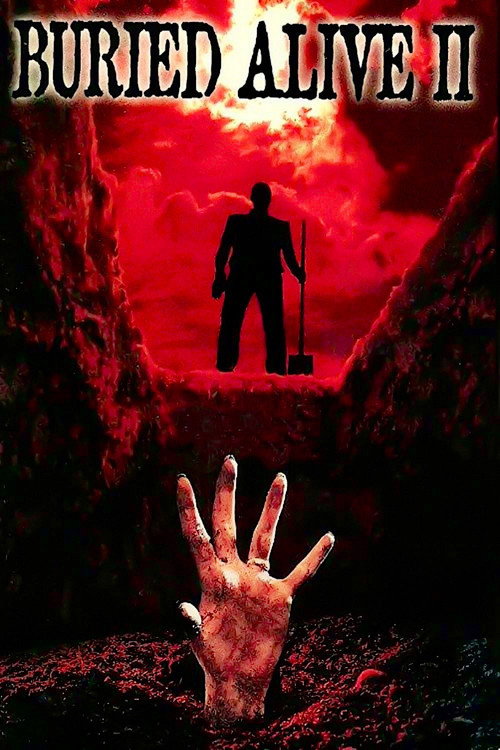
Buried Alive II
1997
No user ratings available yet
Representation score: 3.5 out of 10
Representation Score
Fair
1971
Not RatedDirector
Jud Taylor
Runtime
75 minutes
Average Rating
No ratings yetNew Showbiz Analysis
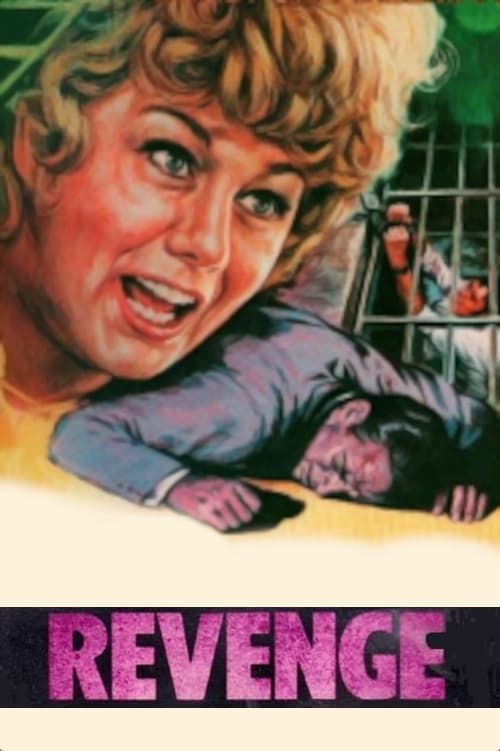
Revenge! primarily functions as a psychological thriller centered on individual pathology. While it challenges traditional passive female roles, it lacks the multi-layered approach and diverse casting expected in more progressive narratives. The film remains closely tied to the conventional character archetypes of its time. The film's strength lies in its challenge to passive female roles, but it falls short of offering broader social or systemic critiques.
Category Breakdown
The film does not include non-traditional gender identities or stories that question the assumption that everyone is straight or cisgender. The main conflict revolves around distorted familial and gender roles.
The story challenges the idea of a nurturing mother by focusing on a woman who exercises violent control, but this control is portrayed through psychological disturbance rather than a critique of gender roles.
The film seems to lack significant racial or ethnic diversity. It likely follows the uniform casting practices common in early 1970s domestic thrillers.
The story examines the breakdown of the traditional family structure and personal morality. It focuses on psychological dysfunction within a local context rather than a broader critique of institutions.
Psychological instability drives the horror elements, which risks treating mental health issues as a plot device rather than a detailed character exploration.
Present on Screen
Limited or Absent
Official Synopsis
A deranged mother avenges herself on the man she thinks seduced her daughter by imprisoning him in a cage in her basement.
1997

1978

1997
1977

1974
1996
1993

1971
No reviews yet. Be the first to share your thoughts on this movie!
Use the rating form above to leave a star rating and optional review.