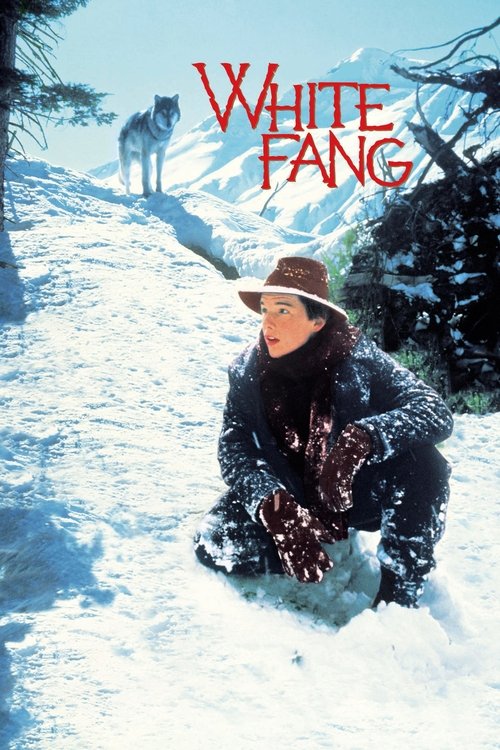
White Fang
1991
No user ratings available yet
Representation score: 1.0 out of 10
Representation Score
Limited
1994
PGDirector
Ken Olin
Runtime
106 minutes
Average Rating
No ratings yetNew Showbiz Analysis
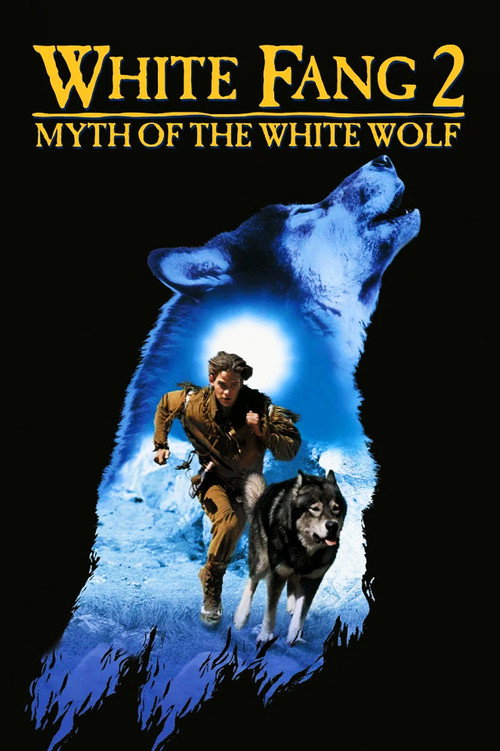
White Fang 2: Myth of the White Wolf serves as a transitional piece of family adventure media. It makes a notable effort to challenge the standard 'heroic settler' cliché by positioning the Haida tribe as the central protagonists fighting against colonial antagonists. However, the film remains tied to traditional genre archetypes. While it provides meaningful representation of indigenous ability to act, it lacks the depth and complexity needed to move beyond conventional storytelling. Ultimately, the film's impact is moderated by its reliance on period-typical adventure structures and the potential use of reductive shorthand regarding indigenous cultures.
Category Breakdown
The film does not include any LGBTQ+ characters or narratives. It follows traditional structures that assume everyone is straight or cisgender.
The story revolves around a boy and his dog, following a masculine-coded adventure structure. There is little evidence of women taking a leading role or challenging gender hierarchies.
The narrative centers on the Haida tribe protecting themselves from antagonistic white men. This disrupts heroic settler clichés but risks relying on the 'noble savage' shorthand.
The film critiques colonial expansion by framing the Haida tribe as the protagonists facing systemic aggression. It prioritizes indigenous survival over Western settler interests.
There is no evidence of characters with visible or invisible disabilities in this production.
Present on Screen
Limited or Absent
Official Synopsis
A boy and his dog, White Fang, must try to save the noble Haida tribe from evil white men in turn-of-the-century Alaska.
1991
1943

2019
1985
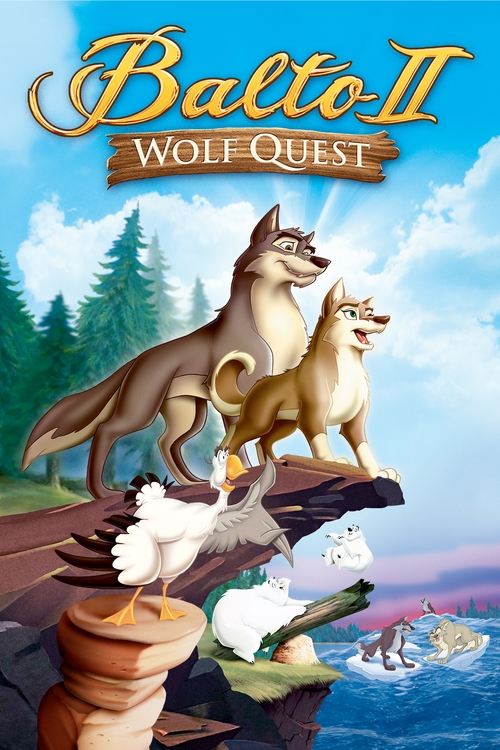
2002

2005
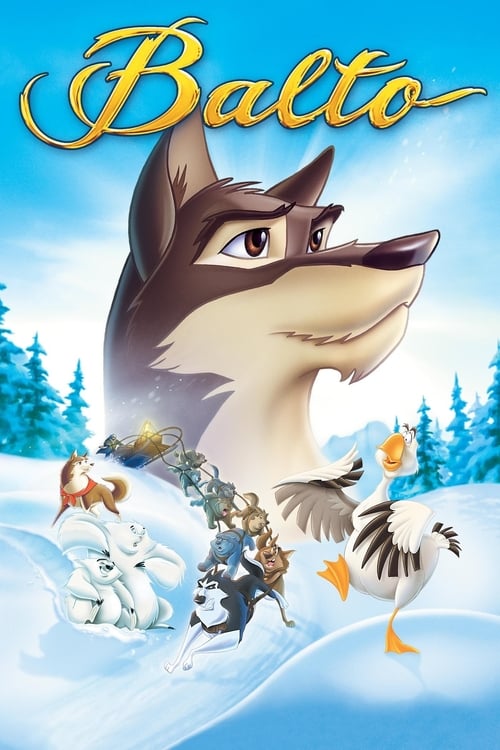
1995
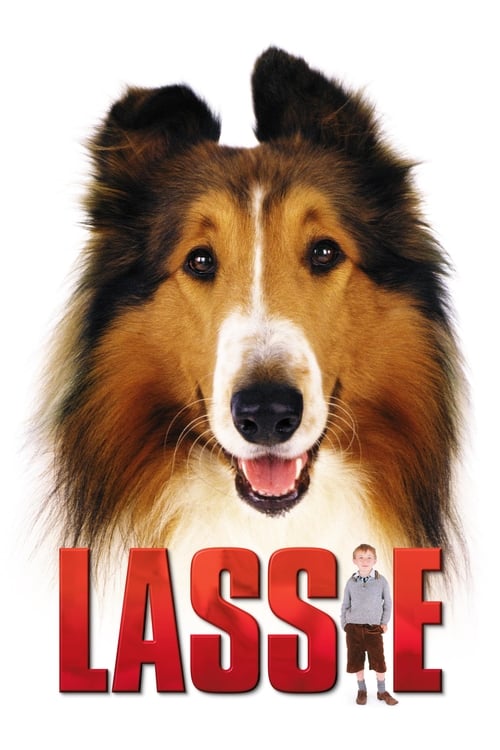
2005
No reviews yet. Be the first to share your thoughts on this movie!
Use the rating form above to leave a star rating and optional review.