101 Reykjavik
2000
No user ratings available yet
Representation score: 4.4 out of 10
Representation Score
Good
2014
Director
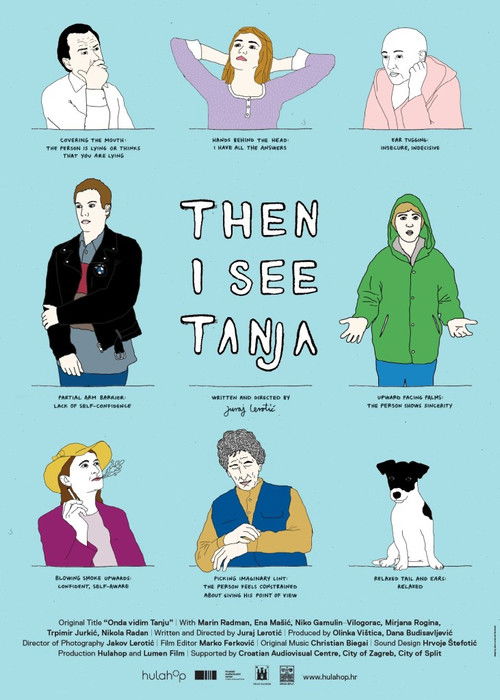
Juraj Lerotić
Runtime
34 minutes
Average Rating
No ratings yetNew Showbiz Analysis
Then I See Tanja is a work of social realism that prioritizes class and domestic struggle over identity-based politics. It finds its strength in deconstructing the nuclear family archetype through the lens of systemic hardship. While the film lacks high-visibility markers like racial or LGBTQ+ diversity, it offers a nuanced look at how medical and economic crises impact underrepresented social strata. The protagonist's journey is defined by premature responsibility rather than idealized clichés. Ultimately, the film's value lies in its realistic portrayal of a fractured household, using a medical emergency to explore the fragility of social safety nets.
Category Breakdown
The film does not include explicit queer themes or narratives that challenge the assumption that everyone is straight or cisgender. The central romantic storyline focuses on Željko pursuing a relationship with a female character, Tanja.
The story shifts the traditional family roles by placing heavy caretaking and provider responsibilities on a teenage male. This emphasizes emotional necessity over patriarchal dominance.
The setting suggests a homogeneous European social environment. There is no evidence of significant ethnic blending or diverse representation within the primary character arcs.
The narrative critiques idealized Western domesticity by focusing on a fractured family. It highlights the struggle for material dignity amidst systemic hardship and social instability.
The mother's medical crisis serves as a central plot driver. The film avoids 'inspiration porn,' focusing instead on the socioeconomic consequences of illness on the family.
Present on Screen
Limited or Absent
Official Synopsis
Željko (16) and his younger brother have been living on their own since their mother ended up in hospital. Željko has set his mind on two things: he has to finally take the initiative to meet Tanja and earn some money to buy his Mum a wig. A real one, made from human hair. If he achieves these two goals, the things might turn for the better.
2000
2017

2011
2002

2003
2015

1999

2012
No reviews yet. Be the first to share your thoughts on this movie!
Use the rating form above to leave a star rating and optional review.