
Manhattan Gigolo
1986
No user ratings available yet
Representation score: 3.5 out of 10

Representation Score
Limited
1984
RDirector
Simon Nuchtern
Runtime
103 minutes
Average Rating
No ratings yetNew Showbiz Analysis
New York Nights offers a moderately inclusive cast, avoiding the total homogeneity of many 1980s productions. The inclusion of performers like Tamara Jones and Marcia McBroom adds a more multi-ethnic texture to the urban setting. However, the film's narrative structure remains largely conventional. Themes of seduction and passion suggest a reliance on established social hierarchies and romantic clichés rather than an attempt at multi-layered subversion. The storytelling is grounded in individualistic metropolitan life rather than systemic critique. Ultimately, while the casting breaks certain racial barriers for its era, the film does not actively challenge gendered power dynamics or provide visible LGBTQ+ or disability representation.
Category Breakdown
The film does not explicitly show queer narratives or non-cisgender identities. Its focus on passion and seduction suggests a reliance on conventional romantic clichés common in mid-80s urban dramas.
While female leads like Corinne Wahl and Tamara Jones play significant roles, the plot centers on traditional romantic power dynamics. The narrative does not challenge established gendered archetypes.
The ensemble features notable racial integration for 1984, including Corinne Wahl and Marcia McBroom. This casting reflects the multi-ethnic reality of New York City more than many period dramas.
The story operates within traditional Western urban storytelling, focusing on individual pursuits. It lacks evidence of secular promotion or a deconstruction of the nuclear family structure.
There are no documented depictions of physical or neurodivergent disabilities within the cast or synopsis. No characters navigate disability.
Present on Screen
Limited or Absent
Official Synopsis
Nine New Yorkers' successful lives all intertwined in a treacherous tale of passion, a game of seduction. The only rule; anything goes.
1986

1950
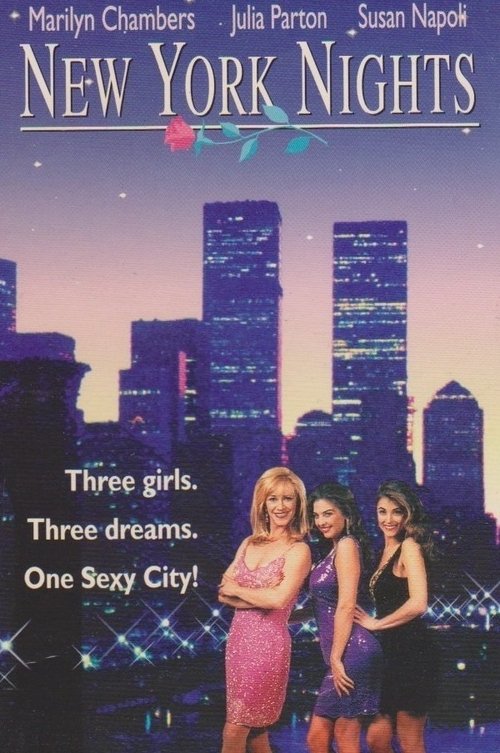
1994

1980

1980
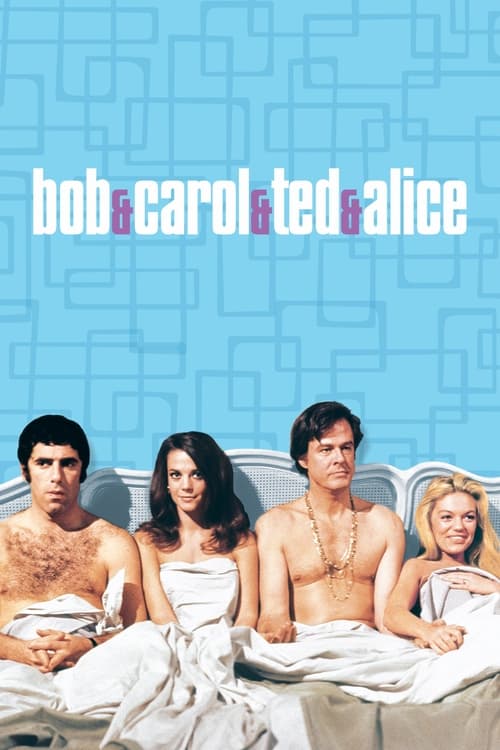
1969
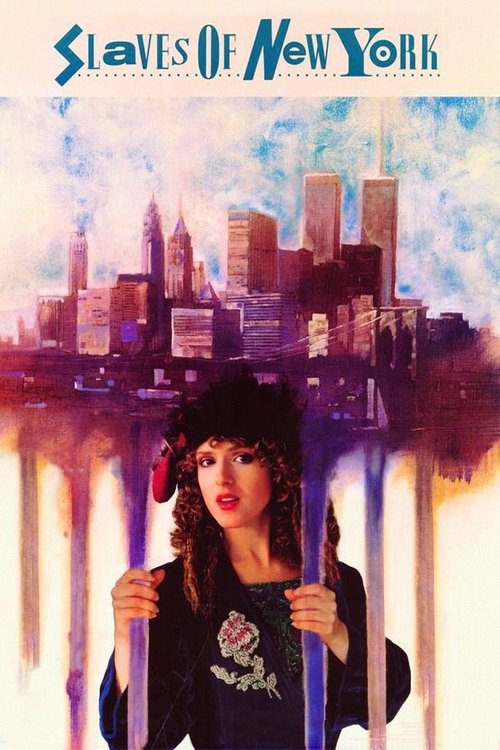
1989
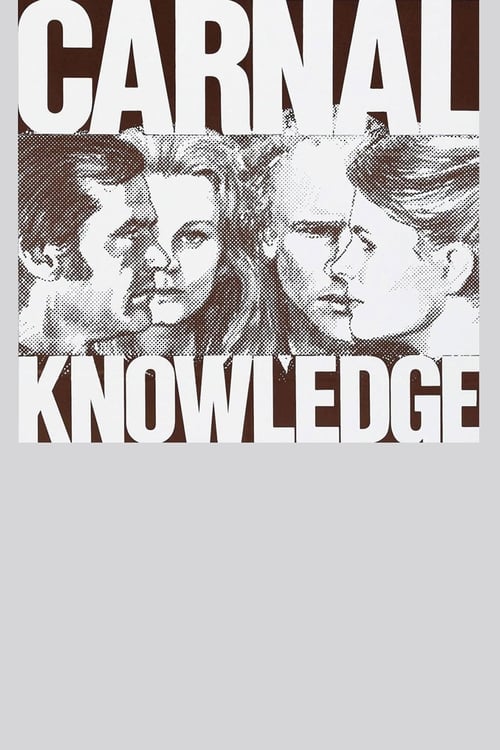
1971
No reviews yet. Be the first to share your thoughts on this movie!
Use the rating form above to leave a star rating and optional review.