
The Fed One
1970
No user ratings available yet
Representation score: 5.2 out of 10
Representation Score
Fair
1976
Director
Pantelis Voulgaris
Runtime
97 minutes
Average Rating
No ratings yetNew Showbiz Analysis
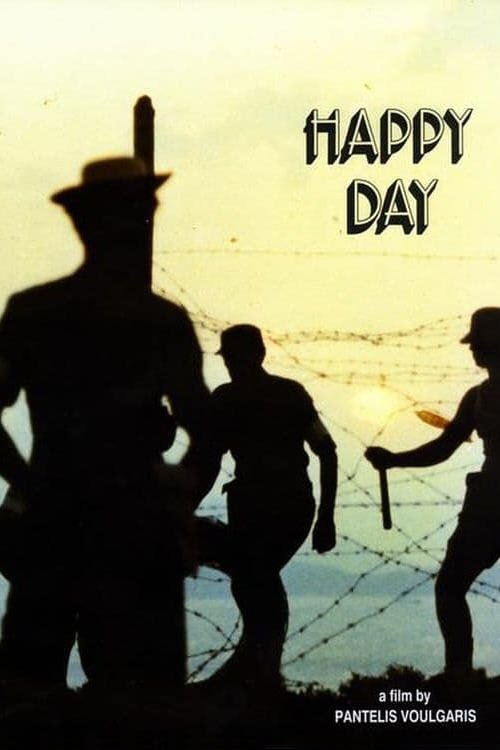
Happy Day is a stark work of Greek social realism that prioritizes political critique over demographic diversity. It excels at deconstructing institutional morality, presenting the state as a source of systemic violence rather than protection. However, the film lacks contemporary representation. It offers no visibility for LGBTQ+ individuals and maintains a traditional, masculine-coded approach to its central conflict. The focus remains on the physical suffering of the male protagonist within a homogeneous setting. Ultimately, the film's impact lies in its cultural commentary. It uses the setting of a concentration camp to challenge the legitimacy of state authority and the corruption of enforcement mechanisms.
Category Breakdown
The film does not include any LGBTQ+ characters or non-straight identities. The story focuses on the political struggle and the physical hardships faced by the characters.
The narrative emphasizes a traditionally masculine approach to resistance and endurance. It centers around male prisoners and traditional power structures without challenging gender roles.
The film portrays a largely homogeneous population reflecting its Greek historical context. It focuses on class-based identity rather than diverse ethnic representation.
The film provides a critical look at institutional power and state authority. It highlights the disconnect between high-level symbols and systemic oppression.
Physical trauma and torture are used to illustrate political martyrdom. These elements emphasize systemic brutality rather than character's ability to drive the story.
Present on Screen
Limited or Absent
Official Synopsis
A concentration camp on a barren island is hell for the exiled political prisoners. The everyday life of the prisoners consists of interrogations, psychological and physical violence, arbitrary punishments and other torments. One of the prisoners who refuses to yield is subjected to torture. Trying to escape, he falls into the sea. When the Queen visits the island, the prison guards find the runaway and murder him without a second thought, since he is already assumed dead.
1970
1982

1963
1965

1973
1985
1985
1971
No reviews yet. Be the first to share your thoughts on this movie!
Use the rating form above to leave a star rating and optional review.